


The Department of Agriculture (DA) is gearing up for a major hiring surge as new and upcoming laws aimed at boosting food production trigger the need for thousands of agriculture and animal science professionals.
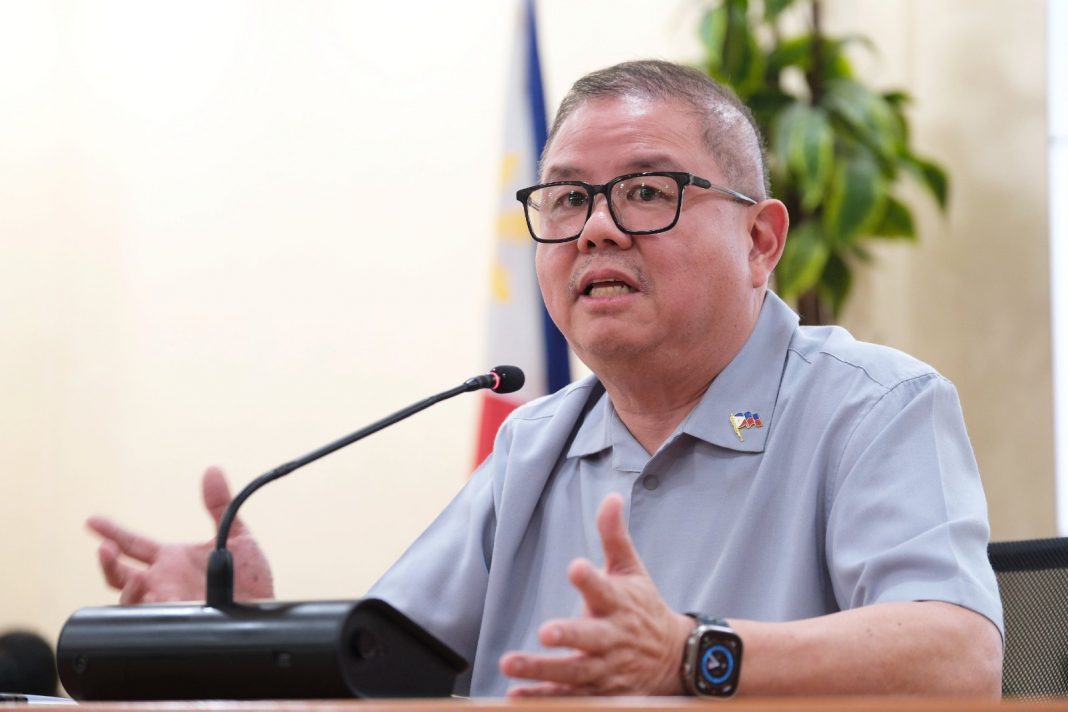
Agriculture Secretary Francisco P. Tiu Laurel Jr. said the DA expects to hire about 20, 000 agriculturists once the bill returning agricultural extension workers to the department is approved. “Each will monitor at least 25 hectares, which roughly translates to assisting 25 farmers,” he said.
Beyond extension personnel, the recently enacted Animal Industry Development and Competitiveness Act will also require more veterinarians and graduates from allied fields to strengthen the country’s livestock systems.
To prepare, Tiu Laurel has begun coordination with the Commission on Higher Education. “I spoke with Chairwoman Shirley Agrupis about our manpower needs once the extension law is passed. We requested the reinstatement of agriculturist courses in state universities, and her response was very positive,” he said.
The push for talent comes as the Professional Regulation Commission released results of the latest Agriculture Licensure Examination. Of 9,742 examinees, 6,678 passed—fresh graduates who the DA hopes will fill the massive workforce needed to support the country’s agriculture modernization.
Tiu Laurel said rebuilding a nationwide corps of extension workers, whose supervision had been devolved to local governments, will dramatically improve the DA’s ability to gather timely, accurate data from the ground. This, he stressed, is essential for crafting sound policy and responding quickly to the needs of farmers, fisherfolk, and other players in the agri-value chain.
“With real-time data, we can act faster and measure the impact of our programs—from seeds and fertilizers to palay prices. All the information will flow straight to our command center for quick analysis and decisive action,” he said.
Agriculture accounts for around 9 percent of gross domestic product but employs one in every five Filipinos. President Ferdinand Marcos Jr. is pushing hard for the sector’s modernization to create more jobs, increase incomes of stakeholders, ensure the country’s food security, and lessen dependence on import food.

