



The Federation of Philippine Industries (FPI) said the country risks slipping further behind its Asian neighbors in the region’s industrial boom unless education reform and industrial policy advance together.
The FPI strongly support both Secretary Sonny Angara’s education reforms and the administration’s Tatak Pinoy Industrial Strategy, and stress that the two must move in lockstep to rebuild national competitiveness.
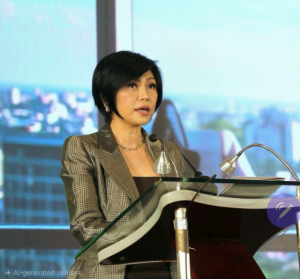
“Education and industry are mutually reinforcing engines of growth,” said FPI Chairperson Elizabeth H. Lee. “Tatak Pinoy provides the blueprint for upgrading Philippine industries. Angara’s reforms ensure we have the skilled workforce to power that transformation. Without both, we cannot close the widening gap with Asia.”
Lee noted that industrialization is driving rapid gains across Asia with ASEAN attracted a record USD230 billion in FDI in 2023. According to the ASEAN Secretariat and UNCTAD, ASEAN is cementing its position as the largest developing region magnet thanks to robust manufacturing hubs in Indonesia, Malaysia, Thailand, and Vietnam.
The Philippines’ services sector grew 6.3 percent in Q1 2025, largely in retail and repair — steady but limited in wages and innovation. Industrialization, by contrast, unlocks high value jobs, stronger incomes, and global competitiveness.
“Services provide stability, but industry delivers prosperity. That’s the leap our neighbors have made, and it’s the leap we have to take,” said Lee.
Education reforms under Secretary Sonny Angara are the frontline solution — upgrading teacher training, modernizing curricula, and strengthening tech voc pathways to supply the skilled workforce our industries demand. This can help temper the country’s shortage of industry ready talent with updated skills, and increased innovation capacity.
In addition, the Tatak Pinoy (RA 11981) provides the blueprint to modernize manufacturing and boost innovation. Together, they form the twin engines that can power the Philippines into high value, globally competitive growth.
“Tatak Pinoy tells us what we need to become. Education reforms ensure we have the skilled people who can actually build it,” Lee added.
With Tatak Pinoy setting the direction and education reforms supplying the talent, the Philippines has a chance to catch up with Asia’s industrial boom.

