


The Federation of Filipino Chinese Chambers of Commerce and Industry, Inc. (FFCCCII) views 2026 with cautious optimism, stating the continuing mix of global headwinds and domestic issues presents undeniable challenges to the Philippine economy.
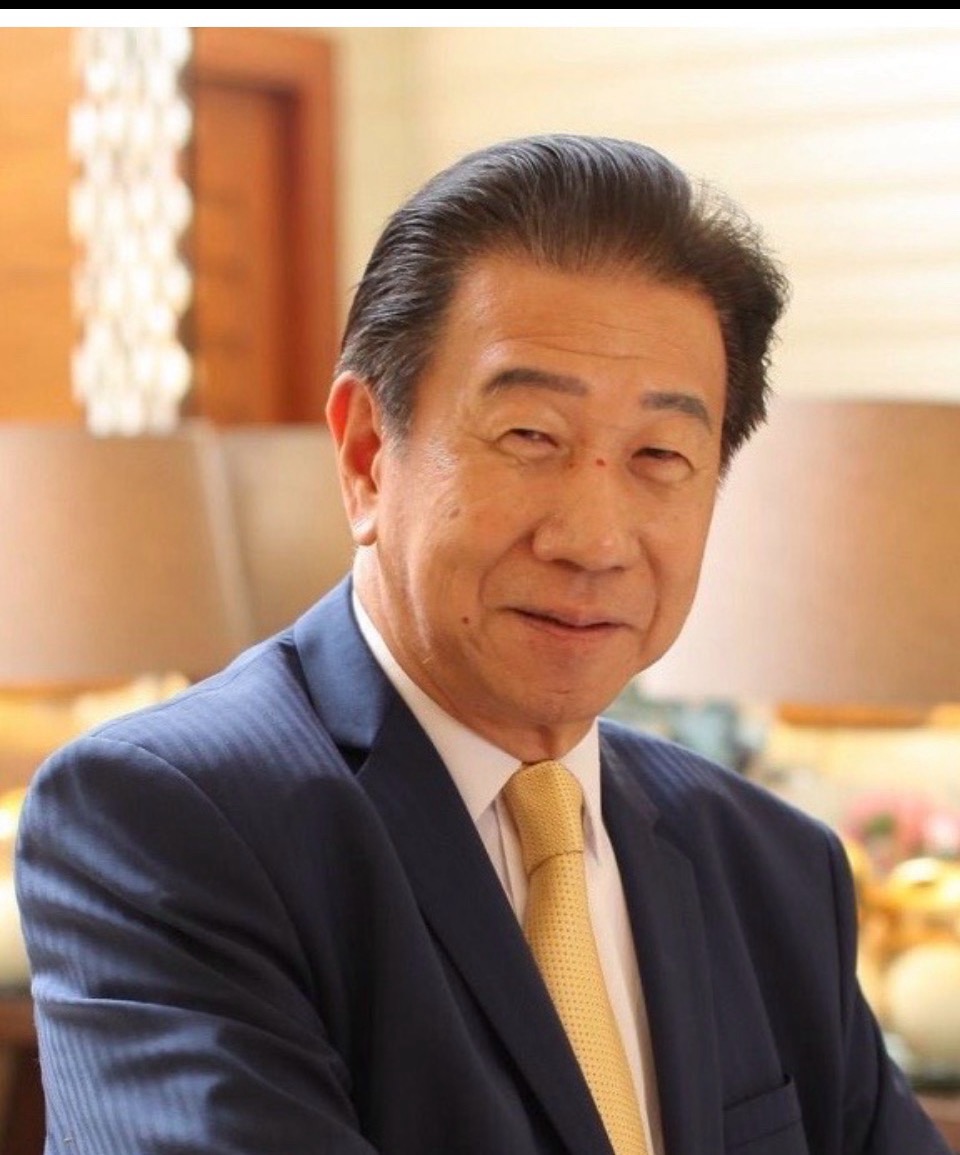
In its 2026 economic forecast, FFCCCII President Victor Lim noted the complex mix of global headwinds—geopolitical recalibrations, inflationary pressures, and supply chain realignments – and domestic problems made the Filipino-Chinese business community cautiously optimistic.
“FFCCCII surveys the economic horizon with cautious optimism,” said FFCCCII in a statement. Yet, given this environment, the business group remains hopeful that the Philippines is uniquely positioned at a strategic inflection point, poised to convert substantial domestic and regional opportunities into tangible, inclusive growth, as long as reforms are continued.
FFCCCII cited these opportunities to include the Philippines’ assumption of the ASEAN Chairmanship for the coming year. It noted the country’s chairmanship as an epochal opportunity to elevate our nation’s strategic and economic profile on the world stage.
“We project that 2026 can be a year of accelerated economic expansion, driven by a multiplier effect from our ASEAN leadership,” said the FFCCCII statement signed by Lim.
The group urged government to leverage the chairmanship as a non-replicable platform to enhance investor perception and catalyze foreign direct investments, showcasing the Philippines’ robust macroeconomic fundamentals, demographic dividend, and ongoing public-private partnership (PPP) pipelines to attract quality, job-generating foreign direct investments.
The Asean chairmanship should strategically boost tourism and export footprints, by transforming the hosting duties into long-term nation-branding campaign, targeting increases in high-value tourism and stimulating demand for export commodities and services.
According to FFCCCII, the chairmanship is an opportunity the Philippine government to demonstrate governance and integration readiness. The Philippines should exemplify regional leadership through seamless logistics, digital innovation, and business-friendly initiatives, reinforcing confidence in market integration capabilities.
“This potential is contingent not on chance, but on concerted action and the political will to pursue nonstop reforms. The FFCCCII emphasizes that sustained growth requires an unwavering commitment from all sectors to implement systemic reforms—enhancing regulatory efficiency, investing in critical infrastructure, enhancing good governance and fortifying human capital. We must build an ecosystem where innovation thrives and competitiveness is relentlessly pursued,” the FFCCCII said.
For its part, Lim vowed to mobilize their network and resources to support both governmental and private-sector initiatives that align with this sustainable and inclusive growth agenda.

