


Rising food prices driven by holiday demand and lingering supply disruptions pushed inflation noticeably higher in December, and Agriculture Secretary Francisco P. Tiu Laurel Jr. is promising more aggressive action from the Department of Agriculture (DA) to protect consumers and stabilize markets.
“While rice prices continue to deflate, higher prices driven by holiday demand, weather damage, and supply bottlenecks lifted December inflation. This means the DA must move faster—tightening market monitoring, accelerating production, swiftly deploying available stocks, and expanding safety-net support like the P20 rice program to blunt price spikes,” Tiu Laurel said.
Food inflation climbed to 1.2 percent in December 2025, reversing a 0.3 percent annual decline in November but still trailing the 3.5 percent rate seen a year earlier. Higher food prices also ended a six-month deflation streak for the bottom 30 percent income households, whose inflation rose to 1.1 percent in December, raising concerns about near-term cost pressures for vulnerable consumers.
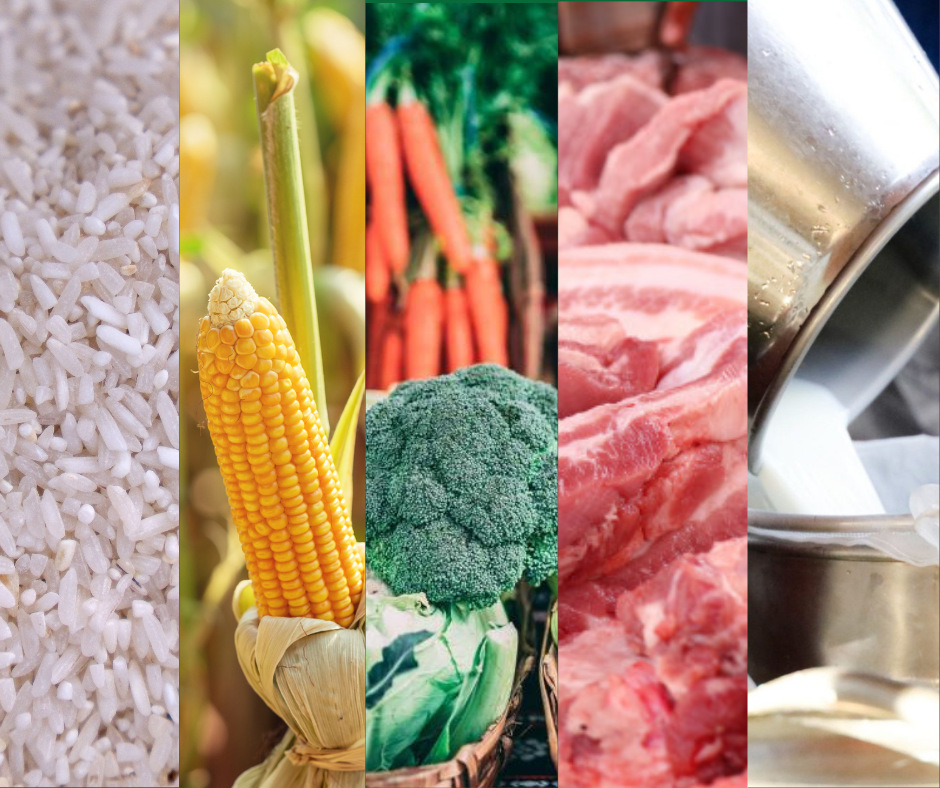
The food price rebound was anchored by a slower drop in rice prices—12.3 percent in December versus a steeper 15.4 percent fall in November—as well as sharply higher prices for vegetables, tubers, plantains and related produce, which jumped to 11.6 percent from 4.0 percent. Corn prices also reversed course, with the corn index rising 7.3 percent after falling the previous month. Other staples such as flour, bakery products, pasta, fish, fruits and ready-to-eat foods also saw faster price increases during the holiday season.
Partly offsetting these gains were softer inflation in meat, dairy products, eggs and oils and fats, while sugar and confectionery recorded a deeper annual decline.
Food’s influence on overall consumer prices was significant: it accounted for nearly a quarter of December’s headline inflation, contributing 0.4 percentage point.
To ease the burden on families and help moderate food inflation, the DA is expanding its “Benteng Bigas, Meron Na!” P20-per-kilo rice program, aiming to reach up to 15 million households—roughly 60 million Filipinos—by the end of 2026. The subsidized rice initiative, now rolling out nationwide and increasingly available across provinces and vulnerable sectors, is designed to improve access to affordable staples for low-income and below-middle-income households. The wider rollout will pair with intensified supply monitoring and production support to tackle both seasonal demand surges and weather-related bottlenecks.
Tiu Laurel said the enhanced efforts reflect a commitment to stabilize food markets, protect household budgets, and ensure sustained affordability of key staples across the archipelago.

