


The Philippine stock market is positioned for a sustained climb in 2026, driven by a convergence of easing interest rates, progressive capital market reforms, and a stabilizing macroeconomic landscape. According to the Investment & Capital Corporation of the Philippines (ICCP), the Philippine Stock Exchange index (PSEi) is on track to hit the 7,000 mark this year.
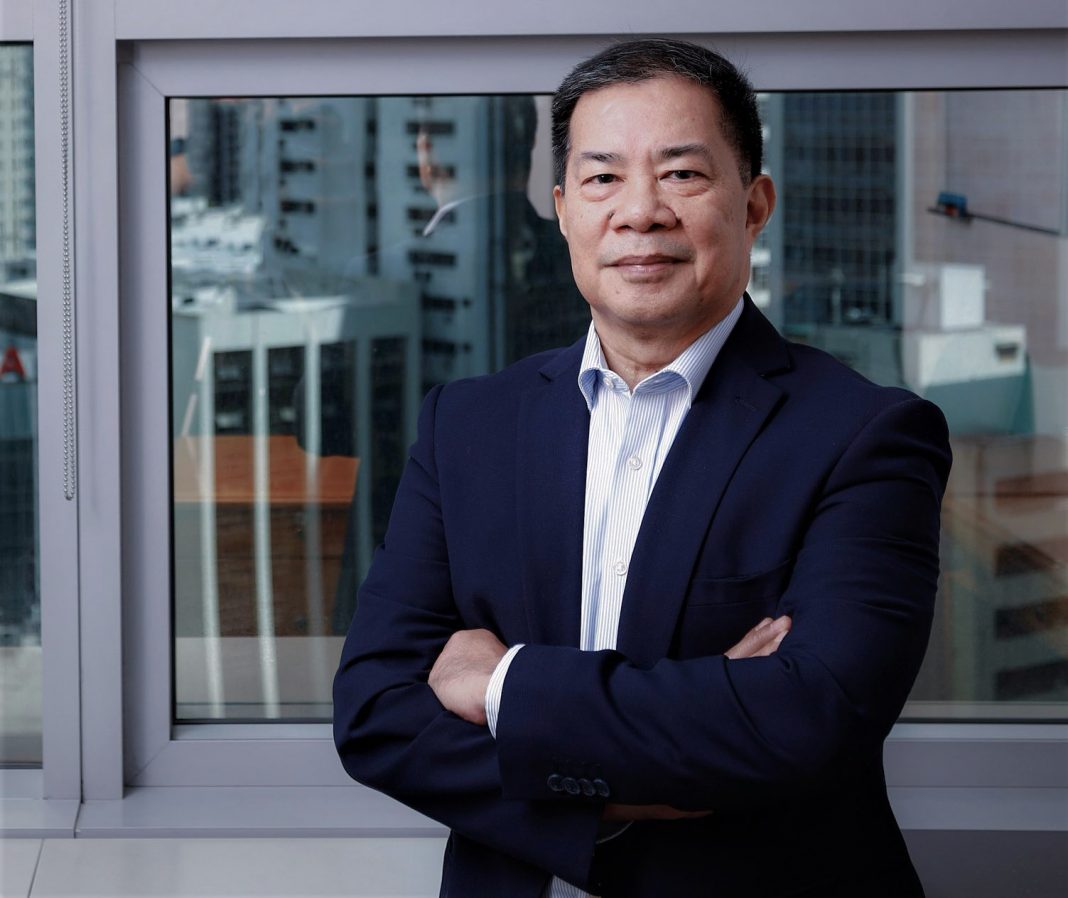
ICCP President and COO Manny Ocampo characterizes the current market movement as a vital “catch-up” phase. After trailing regional peers, the PSEi is gaining momentum as domestic conditions improve.
“We are cautiously optimistic for the market, looking at the PSEi hitting 7,000 for 2026, barring no big negative surprises,” Ocampo stated. He emphasized that the transition to a lower interest rate environment is a primary catalyst, expected to stimulate Filipino consumer spending and bolster corporate earnings.
While the long-term outlook is positive, ICCP warns of potential “downside surprises” as companies release full-year 2025 results. A slowdown in business activity during the latter half of 2025—linked to administrative disruptions and corruption concerns—may trigger periods of profit-taking. However, Ocampo views these fluctuations as part of a broader consolidation phase rather than a shift in the primary trend.
ICCP identifies three structural pillars supporting market growth this year:
-
Renewable Energy Influx: A significant number of renewable energy projects are slated to go online in 2026. This shift is expected to lower overall energy costs, providing relief to both industrial margins and household budgets.
-
Modernized REIT Regulations: The Securities and Exchange Commission (SEC) has expanded Real Estate Investment Trust (REIT) eligibility. New asset classes—including tollways, data centers, telecom towers, and fiber optic networks—can now be securitized.
-
Efficient Capital Recycling: These regulatory changes allow infrastructure-heavy companies to recycle capital more effectively, fueling further high-value projects.
With fixed-income yields beginning to retract, ICCP suggests a strategic shift in asset allocation. Ocampo recommends that investors consider allocating approximately 20% of their portfolios to equities, while maintaining a portion of cash as “dry powder” to capitalize on entry points during volatility.
The primary market is also seeing a resurgence. ICCP is currently monitoring four companies in its pipeline for potential Initial Public Offerings (IPOs) this year, representing a 100% increase over the two listings recorded in 2025. Target sectors for these listings include:
-
Construction
-
Retail
-
Renewable Energy
“Expectations on maxing out value are being tempered by advisors,” Ocampo noted. “That leaves a lot on the plate for investors to enjoy an upside.”

