


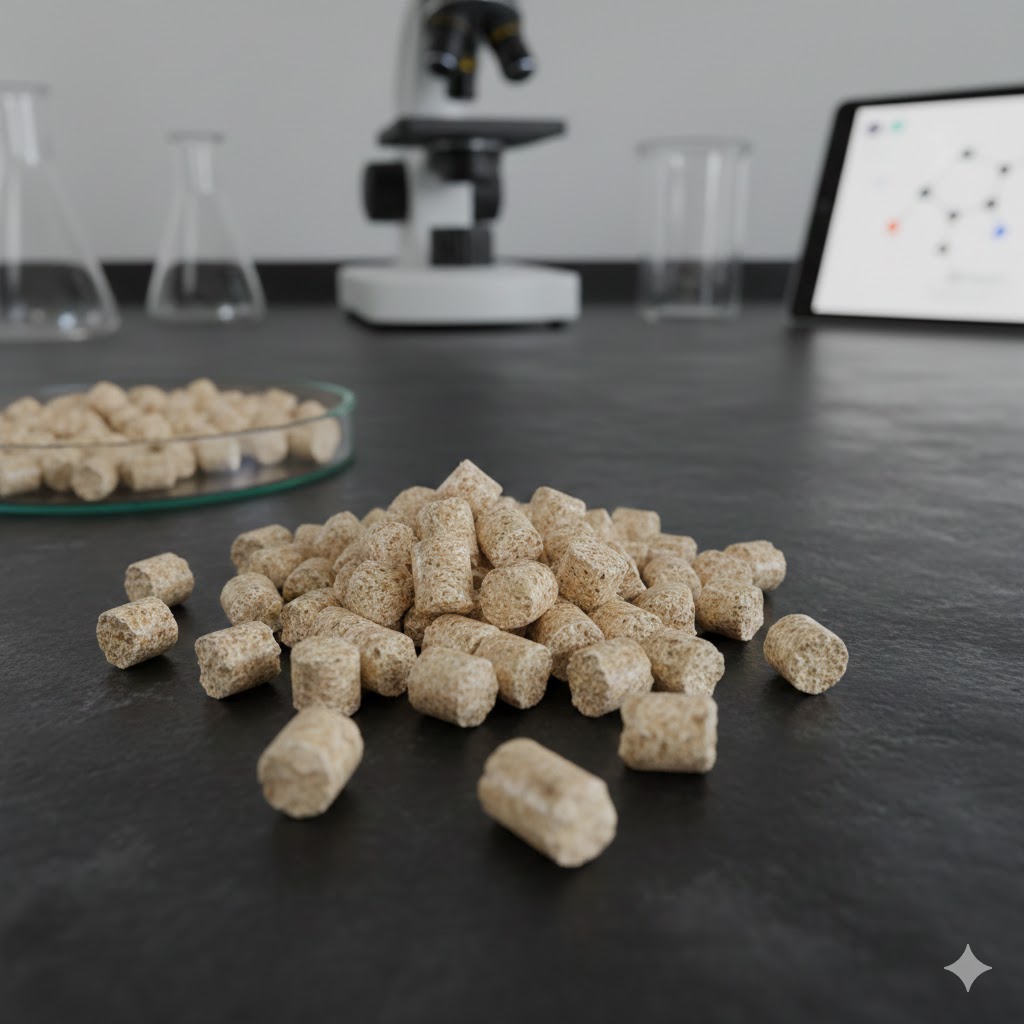
D&L Industries, through its subsidiary D&L Polymer & Colours, Inc. (DLPC), has announced a breakthrough in material science with the launch of a 100% abaca pellet designed for direct use in plastics compounding. This innovation transforms abaca—the world’s strongest natural fiber—into a standardized, “plug-and-play” ingredient for the global plastics supply chain.
Building on last year’s successful demonstration of abaca-plastic composites, DLPC has evolved its technology from in-house specialized processing to a scalable raw material format. Previously, incorporating natural fibers required proprietary, complex handling. The new pelletized format allows upstream plastic compounders to blend abaca directly into their own formulations using existing machinery.
“Pelletization is the tipping point that finally makes natural fibers easy to use at scale,” said Lester Lao, President & CEO of DLPC. “With a ready-to-compound 100% abaca pellet, manufacturers can incorporate sustainability into their products without changing their processes. It opens an entirely new market where abaca is handled just like any conventional polymer ingredient.”
Abaca-enhanced composites offer a unique profile of mechanical and environmental benefits:
-
High Strength-to-Weight Ratio: Abaca is renowned for its durability and resilience while remaining lightweight enough to float in water.
-
Reduced Carbon Footprint: These pellets can replace up to 40% of virgin, fossil-based polymers in current formulations.
-
Versatile End-of-Life: Depending on the specific blend, products can be designed for conventional recycling or industrial composting.
-
Broad Application: The material is suited for diverse sectors including automotive components, construction materials, packaging, and consumer durables.
While the current focus is on abaca, DLPC’s proprietary pelletization technology is designed to be a platform for other indigenous fibers. The company is already exploring the use of pineapple, bakong, and vetiver, positioning the Philippines as a high-value hub for bio-based industrial materials.
DLPC is currently engaging in joint development programs with global manufacturers to integrate these pellets into mainstream production. This move aligns with the increasing global regulatory and consumer pressure to reduce reliance on traditional plastics.
“What began as an idea decades ago has now evolved into a commercially viable material,” Lao concluded. “The 100% abaca pellet represents a transformative step toward a more sustainable, fiber-integrated plastics ecosystem.”

