


The Economy and Development (ED) Council, chaired by President Ferdinand R. Marcos Jr., has officially designated 2026 as a strategic “rally point” to accelerate the Philippine Development Plan (PDP) 2023-2028. The move signals a decisive shift toward high-impact execution to ensure that the nation’s economic gains translate into visible improvements for Filipino households.
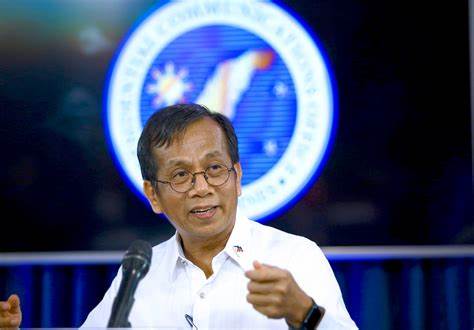
During its meeting on January 26, the Council addressed the need to bridge the gap between macroeconomic targets and the daily realities of citizens. With less than three years remaining in the PDP’s implementation, the government is realigning the 2026 General Appropriations Act (GAA) to prioritize sectors that directly affect quality of life: education, health, agriculture, and infrastructure. “Turning 2026 into a rally point means the entire government must deliver faster, more visible, and more meaningful results,” said DEPDev Secretary and ED Council Vice Chair Arsenio M. Balisacan. “Every peso must translate into better services and improved well-being for Filipinos.”
The 2026 budget will serve as the primary engine for this recalibrated strategy, with a sharpened focus on the following pillars:
-
Education & Skills: PHP85.4 billion is earmarked for school facilities in “last-mile” areas, alongside PHP8.9 billion for the Academic Recovery and Accessible Learning (ARAL) Program to combat learning poverty.
-
Food Security: To stabilize volatile prices, the government is investing PHP33 billion in farm-to-market roads, PHP11.3 billion for buffer stocking, and PHP10 billion for the “Rice for All” and Kadiwa initiatives.
-
Infrastructure & Connectivity: Priority remains on “game-changer” projects, including the North-South Commuter Railway, Metro Manila Subway, and the newly approved National Digital Connectivity Plan (NDCP) 2028, which aims to provide nationwide internet through a multimodal fiber and satellite approach.
-
Social Protection: To ensure integrity, the 2026 GAA includes a strict provision prohibiting the use of officials’ names or political branding during the distribution of financial assistance.
Secretary Balisacan emphasized that “stronger execution” requires modernizing how the government tracks progress. To prevent delays and corruption, the administration is integrating the Public Investment Program Online (PIPOL) system with the Online Submission of Budget Proposals System (OSBPS). This digital linkage ensures that every project funded is directly aligned with national development goals.
The Council also reaffirmed its support for critical legislative reforms under LEDAC, including the Anti-Dynasty Bill and the Party-List System Reform Act, viewing these as essential to long-term accountability.
The 2026 “rally point” also aligns with the Philippines’ chairship of the ASEAN Summit. The government intends to use this international stage as a hard deadline for infrastructure readiness, digital visitor services, and destination upgrades, showcasing the Philippines as a premier global hub for investment and tourism.
“We are tightening the link between planning and budgeting,” Balisacan added. “The Filipino people must feel the benefits of these transformative projects now.”

