


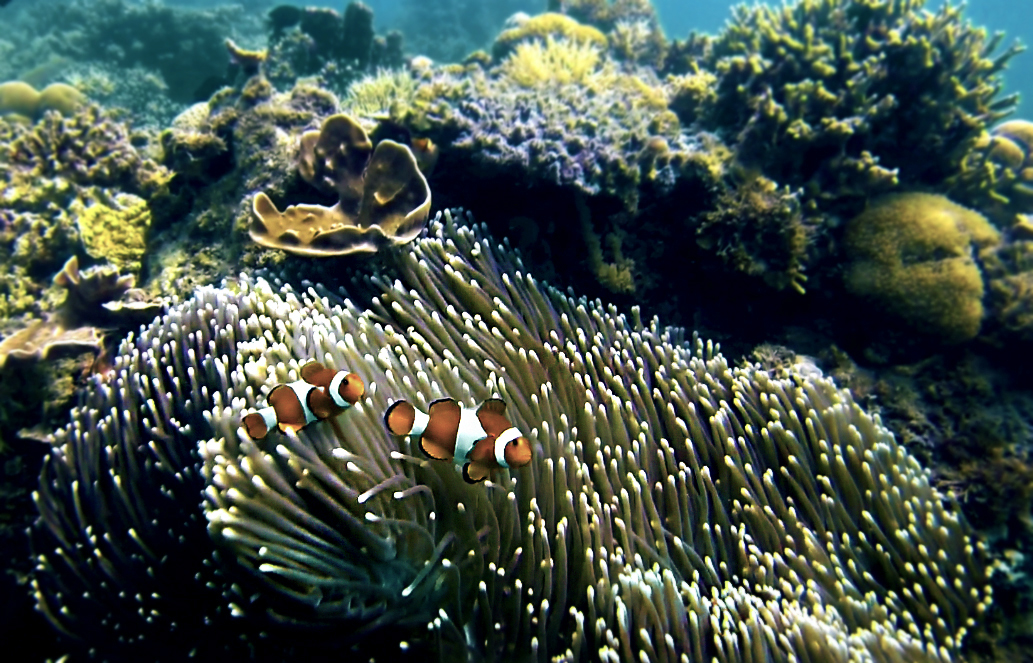
As climate change and extreme weather continue to threaten the “treasure chests” of marine biodiversity, the Philippines is moving toward a groundbreaking solution: nature-based insurance for Coral Reefs and Marine Protected Areas (MPAs).
Since 2025, the United Nations Development Programme’s Biodiversity Finance Initiative (UNDP-BIOFIN) and the Insurance and Risk Finance Facility (UNDP-IRFF) have partnered with the Department of Environment and Natural Resources (DENR) to assess the viability of insurance products designed to help ecosystems recover from natural and manmade calamities.
The Philippines sits at the heart of the Coral Triangle, hosting over 500 species of coral and 3,000 species of fish. However, these ecosystems are in a fragile state. Recent data suggest that the Philippines has lost roughly one-third of its corals over the last decade due to warming seas, pollution, and destructive fishing practices.
“A single typhoon, earthquake, or bleaching event can spell the difference between life and death for many reefs,” explains Dr. Hazel Arceo of the University of the Philippines Cebu. “To continue reaping the benefits of our natural resources, we must find ways to safeguard them from external threats.”
To test the feasibility of these financial tools, partners are using the Mantalip Marine Reserve in Negros Oriental as a model. After becoming an MPA in 2003, Mantalip saw fish yields for local fishers jump from 2kg to 7kg per day. However, in 2021, Super Typhoon Odette devastated the area, causing hard coral cover to plummet from 60% to just 5%.
Nature-based insurance would provide the immediate capital needed for:
-
Rapid reef restoration and debris removal after storms.
-
Infrastructure repair for park visitor centers and monitoring stations.
-
Livelihood support for communities dependent on reef tourism and fishing.
The initiative aligns with the global 30 x 30 Target, which aims to protect 30% of the planet’s land and oceans by 2030. While the Philippines has over 1,800 MPAs, only 30% are currently managed effectively. Insurance offers a new management tool to bridge the funding gap.
“Insurance is a management tool that has rarely been tapped for conservation,” says Anabelle Plantilla, National Project Manager for UNDP-BIOFIN. “It can bolster the resilience of our protected areas when combined with traditional mitigation measures.”
The private sector is also signaling its readiness. Mitch Rellosa, Executive Director of the Philippine Insurers and Reinsurers Association (PIRA), noted that the industry is eager to “continue the conversation,” highlighting that insurers are looking beyond profit to play a role in national resilience.
As the pilot tests continue—ranging from parametric insurance for small-scale fishers to habitat protection—the message from experts is clear: protecting nature is a sound business investment.
“Every single investment we make is dependent on nature,” concludes Abbie Cruz-Trinidad, Senior Technical Advisor for UNDP-BIOFIN. “Since we reap so much from coral reefs, it makes good business sense to insure them.”

