


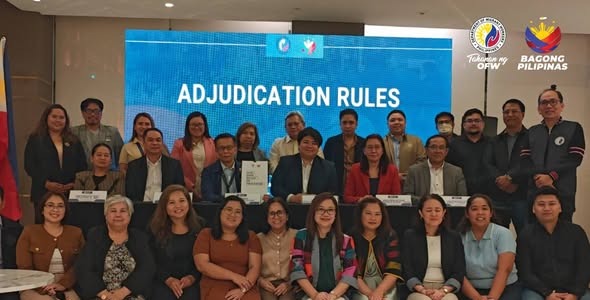
In a landmark move for labor rights, the Department of Migrant Workers (DMW) officially signed the Rules of Procedure for the Adjudication of Cases on February 12, 2026. Led by Secretary Hans Leo J. Cacdac, the signing ceremony was the centerpiece of the Department-Wide Year-End Performance Assessment and 2026 Corporate Planning event.
This new policy formalizes a rights-based adjudicatory system designed to provide Overseas Filipino Workers (OFWs) with a transparent, accessible, and expedited path to justice.
Following the mandate of Republic Act No. 11641, the new Rules effectively decentralize the adjudication process. Key structural changes include:
-
Regional Empowerment: Adjudicatory functions are now transferred to the regional level.
-
Local Hearings: Overseas Employment Adjudicators (OEAs) will now conduct hearings at DMW Regional Offices.
-
Direct Resolution: Orders for cases filed under the DMW’s jurisdiction will be signed by Regional Directors, removing the need for workers or their families to travel to the central office in Manila.
Aligned with President Ferdinand R. Marcos Jr.’s push for government digitalization, the DMW has overhauled its procedural workflow to eliminate red tape:
-
Electronic Filing: Parties can now file and serve pleadings digitally, drastically reducing the time and cost of litigation.
-
Virtual Presence: The Rules introduce videoconferencing for hearings, allowing OFWs stationed abroad or in remote provinces to participate in their cases in real-time.
-
Efficiency Measures: The system now includes standardized on-site complaints and clear grounds for the outright dismissal of unmeritorious cases to prevent docket clogging and unnecessary delays.
The DMW has significantly strengthened its “teeth” regarding serious offenses. The new Rules enhance the issuance of Orders of Preventive Suspension for recruitment agencies or employers involved in:
-
Human trafficking and illegal recruitment.
-
Deployment of minors.
-
Cases involving the death or severe physical, psychological, or sexual abuse of a worker.
Furthermore, the DMW is prioritizing specialized care for vulnerable groups. All gender-sensitive cases will now be handled by GEDSI-trained (Gender and Development, Equality, and Social Inclusion) Adjudicators, ensuring that women, persons with disabilities, and marginalized workers receive empathetic and expert-led legal support.n”Our mission is to deliver humane and swift justice—wherever Filipino workers are in the world,” said Secretary Cacdac. “With these Rules, we are not just following a process; we are upholding a promise to protect those who keep our economy afloat.”

