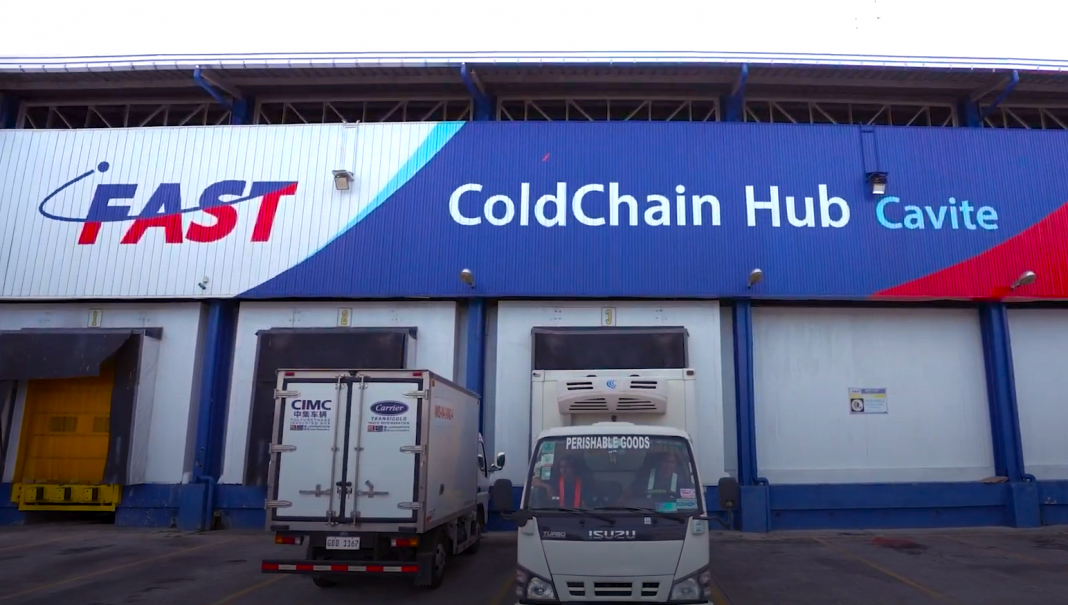
The Department of Agriculture (DA) has been urged to conduct a thorough inventory of cold storage facilities to ensure sufficient domestic capacity and to extend support for the establishment of warehouses near production and distribution areas.
Mark Dizon, a supply chain and cold chain management expert, made the call in an interview amid complaints about tight space at the reefer yard in the Manila ports.
“There are a lot of new facilities,” he said, noting that the industry has 700,000 pallet positions nationwide, but there is no clear way to determine the actual utilization rate of these cold storage facilities.
He said the industry needs the support of the DA—particularly the National Meat Inspection Service (NMIS) and other regulatory agencies—to determine whether these facilities are fully stocked or sitting empty. Facilities must also align with regulatory requirements to become compliant, including securing HACCP accreditation to address food safety concerns.
This, he said, would allow the government to help operators make their businesses more viable. He warned that if the supply of facilities continues to increase while demand remains stagnant, operators will end up on the losing side.
“What we’ve been advocating for the longest time is let’s check where these warehouses are because we already have and pinpoint which needs to be supported,” he said. Dizon is also a member of the Supply Chain and Logistics Guild, an advisory group created composed of 33 seasoned practitioners from the private sector to provide DTI their expertise ensuing that reforms are are grounded in real operational conditions across food, retail, manufacturing, export, and e-commerce supply chains.
There are two schools of thought regarding the location of cold storage facilities—one favors proximity to production areas, while the other prioritizes distribution hubs.
Dizon explained that locating storage facilities near production hubs supports rural development. For example, he cited Capiz in Iloilo, known as the seafood capital of the Philippines. If cold storage facilities are situated in Capiz, products can be brought to market more efficiently. This, he added, should be complemented by fisheries research and related support facilities, eventually spurring additional economic activity in the area.
“The long game is that we are looking at agricultural independence because you can now grow your agricultural business,” he said.
He added that the Cold Chain Association of the Philippines is working with the DA and the Department of Trade and Industry (DTI) to develop a more integrated network, noting that a band-aid solution will not achieve efficiency in the supply chain and logistics industry.