


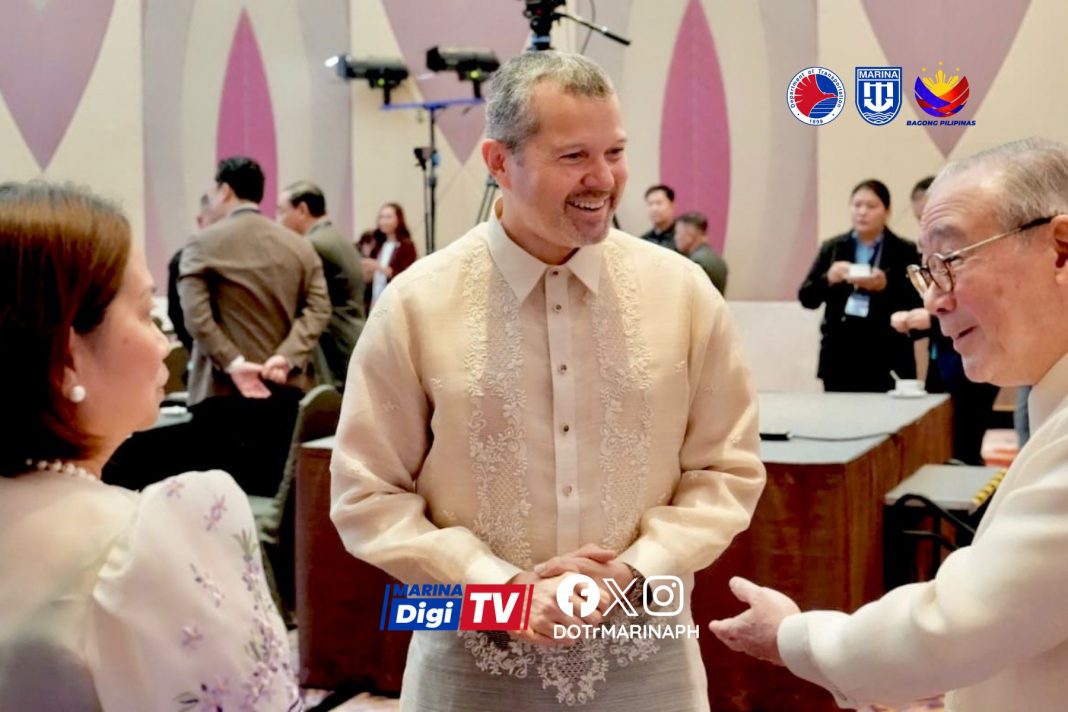
The International Maritime Organization (IMO) and the Philippine government have officially signaled the start of a transformative era for global maritime labor. At the recently concluded Regional Forum on the STCW Convention, leaders announced a comprehensive modernization of seafarer training to keep pace with decarbonization, artificial intelligence, and the digital revolution.
The IMO announced that Phase 2 of the comprehensive review of the STCW Convention (Standards of Training, Certification, and Watchkeeping for Seafarers) will commence in the coming weeks. This phase will focus on specific amendments to ensure global standards address the shift toward cleaner fuels and the integration of automated systems. “Shipping must invest in people,” stated IMO Secretary-General Arsenio Dominguez. “Reform must go hand in hand with stronger investment in seafarers, ensuring those onboard are treated with the same dignity afforded to land-based workers—including internet connectivity and adequate living conditions.”
As a primary global supplier of maritime talent, the Philippines is positioning itself at the forefront of these reforms. Sonia Malaluan, Administrator of the Maritime Industry Authority (MARINA), emphasized that the evolution of the industry is an opportunity to reinforce global confidence in the Filipino workforce.
“We must confront evolving challenges—from environmental pressures to geopolitical shifts,” Malaluan said. “Reform allows us to raise standards and ensure our seafarers remain competent, adaptable, and future-ready.”
The forum highlighted several critical pillars for the upcoming regulatory updates:
-
Green Technology: Training must shift to include the safe handling, use, and storage of alternative, cleaner fuels.
-
Digitalization & AI: Equipping the workforce to manage increasing automation and onboard digital systems.
-
Safety and Inclusion: A “zero-tolerance” approach to violence and harassment at sea, with a focus on gender equality and mental health.
-
Connectivity: Modernizing living standards to include mandatory internet access, bridging the gap between sea and shore.
Ambassador Teodoro Locsin Jr. echoed these sentiments, noting that “if ships are to shift to cleaner energy, then training must shift with it.” He called for a forward-looking review that addresses the physical and psychological safety of all crew members.
Speaking on behalf of Transportation Secretary Giovanni Lopez, Assistant Secretary Ventura Plan reiterated the Philippine government’s dedication to creating an inclusive environment. “When we protect our people, we strengthen our entire maritime industry,” Plan stated.
As the shipping sector undergoes its most significant transition in decades, the consensus from Manila is clear: innovation is meaningless if the human element is left behind.

