


The fast-moving consumer goods (FMCG) industry is expected to grow a slower 3-4 percent this year, reflecting the subdued economic prospect for the Philippines, with the silver market (55 years old and above), “paw-er spenders,” and overseas Filipino workers (OFWs) identified as major growth drivers, according to a study by Worldpanel by Numerator, the global leader in decoding shopper behavior.
Laurice Obana, Shopper Insights Director, said the new 2026 FMCG Outlook study by Worldpanel by Numerator in the Philippines covered 5,000 samples representative of the FMCG spending of 29 million households nationwide. This year’s growth outlook is slower than last year’s estimated actual growth of 4–5 percent.
The study further revealed that most FMCG spending—78 percent—comes from the SEC-DE (socio-economic classification) or lower-income market segment. This insight highlights the need for FMCG companies to anticipate sustained value-seeking behavior and a preference for convenience among shoppers.
In terms of opportunities, the study identified four major growth sources: the silver market, paw-er spenders, OFWs, and the “local glow tribe” (beauty market).
“FMCG players must pinpoint opportunities that fit the different lifestyles and interests of Filipino households,” shared Obana.
Silver market
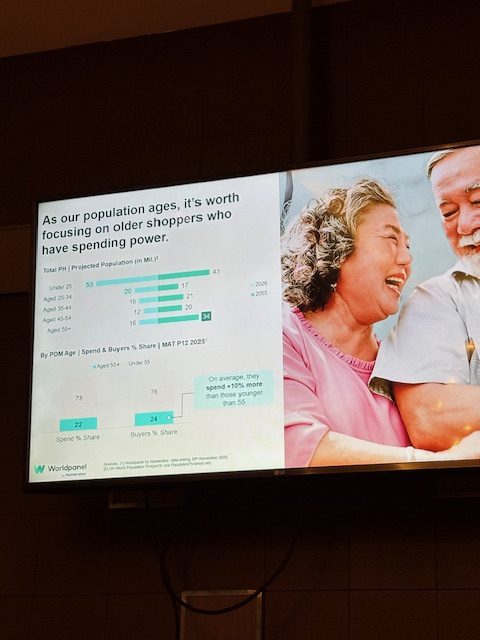
In the Philippines, 16 percent of the current population is aged 55 and above, a number expected to rise to 34 percent by 2055.
According to Worldpanel by Numerator, older shoppers have higher purchasing power and spend 10 percent more on average than younger generations.
They prioritize spending for health and wellness products (29%) such as plant-based milk alternatives and health supplements, in addition to the usual pantry staples.
Many also engage in physical activities and invest in sporting equipment to stay fit and healthy, which account for 41 percent of their spending.
OFW households
Another group that spends more across FMCG categories is OFW households. Over the years, cash remittances from OFWs have been a key pillar of growth for the local economy. Worldpanel by Numerator notes that 73 percent of FMCG categories show higher spending per buyer among these households.
Moreover, OFW families tend to make larger purchases, often engaging in bulk buying and cross-category product bundling. They also make more frequent trips to bigger retail channels such as hypermarkets and supermarkets.
Paw-er Spenders
Caring for animals has become an integral part of Filipino households, with 67 percent owning at least one pet. Seventeen percent of pet owners buy pet food, predominantly from pet stores.
Beyond pet care products, there is significant potential for brands in adjacent categories to grow their market share by catering to pet-owning households. Companies can explore developing pet-safe product lines, such as air fresheners and multi-purpose cleaners free from high-fume irritants, corrosive disinfectants, and pesticide-grade ingredients harmful to animals.
Beauty Market (Local Glow Tribe)
The beauty landscape in the Philippines is also expanding. The ABC market gravitates toward modern and online formats, while the DE sector continues to patronize sari-sari stores and direct selling for their “glow-up” routines.
Filipinos now spend more than PHP2,000 on average per buyer, with local and smaller facial care and makeup brands gaining stronger preference across both market segments.
Touchpoints
In terms of shopping channels for FMCG, the study found that—despite the slower market—supermarkets are showing signs of recovery, while market stalls continue to enjoy growth.
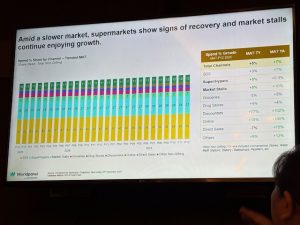
Discounters and e-commerce platforms are also scaling up and penetrating the FMCG space, with major retailers now expanding their formats to attract more shoppers.
“We are seeing the rise of modern palengke set-ups that provide a one-stop-shop experience for essentials, dining, and other services across the country,” explained Obana.
Out-of-Home Dining
The study also identified out-of-home dining as a growing segment, now poised to surpass pre-pandemic levels.
According to the Meals on Demand report by Worldpanel by Numerator, breakfast is the top occasion for eating out, while lunch and dinner account for the highest spending. Notably, karinderyas or traditional eateries make up 64 percent of out-of-home dining, reflecting the continued preference among Filipinos for affordability and convenience—similar to their in-home FMCG purchasing habits.
“The FMCG industry must find more occasions and touchpoints in order to grow in 2026. They must also identify more shopper segments and consider the different lifestyles, habits, and unique preferences of Filipinos. It is critical for FMCG players to curate their strategies to the needs of their target households to achieve long-term growth,” said Obana.

