


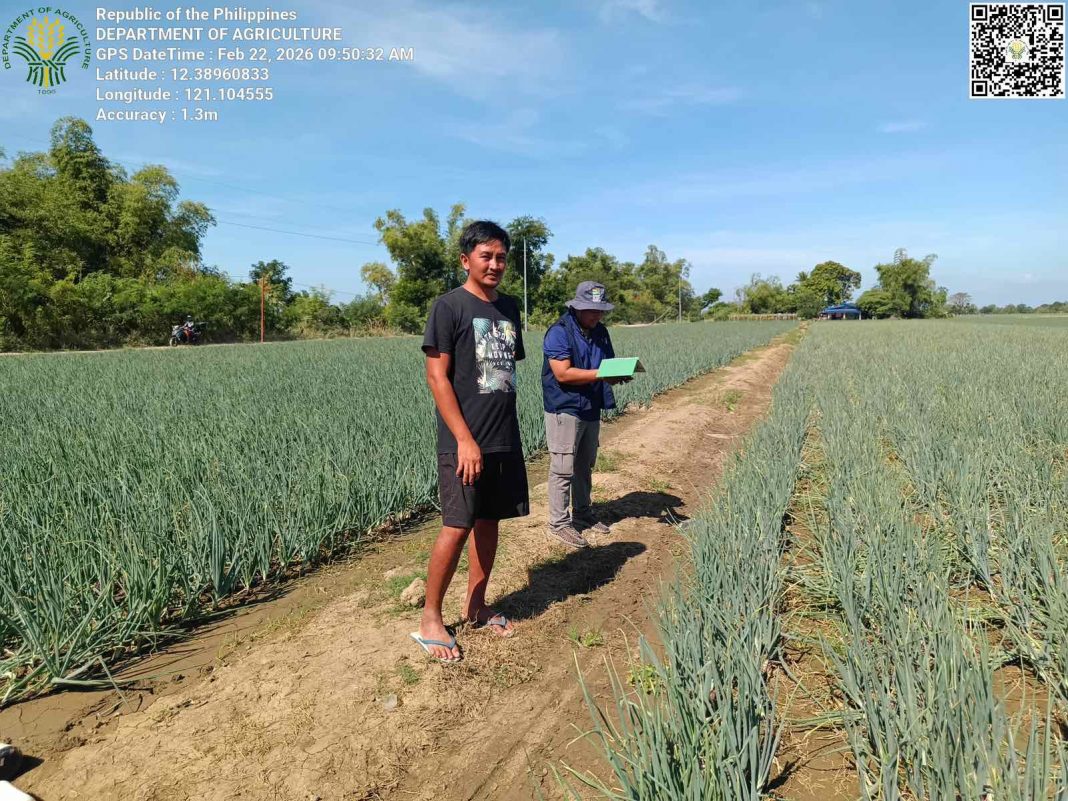
The government is stepping into the onion fields again, this time before prices unravel.
Agriculture Secretary Francisco P. Tiu Laurel Jr. has ordered state-run Food Terminals Inc. (FTI) to begin buying onions this week, aiming to prevent a farmgate price collapse as harvest season barrels toward its peak.
A team has already been dispatched to Nueva Ecija, the country’s onion capital, to lock in cold storage capacity. “They’ve secured space for 50,000 28-kilo bags, and we can expand that if needed,” Tiu Laurel said, describing the move as a preemptive strike against the usual harvest-time price slump.
Aside from Nueva Ecija, Tiu Laurel said FTI is also looking at other onion producing provinces such as Occidental Mindoro, Pangasinan, and Cagayan Valley to support farm gate prices and keep traders honest. He said the agency is building cold storages to extend the shelf life of vegetable to keep supply and prices stable throughout the year.
The intervention aligns with President Ferdinand Marcos Jr.’s directive to keep farmgate prices fair, and farming profitable. The message from Malacañang, said Tiu Laurel, is that price stability is policy, and farmer retention is the goal.
Nueva Ecija produces more than half of the nation’s onions, with Bongabon alone accounting for roughly 15 percent of country’s total output of the aromatic vegetable that is a key ingredient in Filipino cuisine. That makes the province both the engine of supply and the flashpoint for volatility when volumes surge.
FTI President Joseph Lo personally inspected market conditions in Nueva Ecija and reported farmgate prices climbing to as high as P45 per kilo. The rebound followed assurances from the Department of Agriculture that imported red and white onion stocks are limited and expected to be largely depleted by the peak of harvest.
“Our goal is to buy at prices that are fair to farmers, at levels that are enough to make onion farming profitable and sustain their planting intentions,” Lo said.
The timing is crucial. In past cycles, heavy imports colliding with peak local harvests crushed farmgate prices, discouraging growers and triggering production shortfalls months later. Those gaps, in turn, forced more imports, perpetuating a costly boom-and-bust loop.
By absorbing supply and expanding cold storage, FTI is effectively acting as a buffer buyer, smoothing out gluts and tempering price swings. The strategy borrows from classic market stabilization playbooks: buy when supply is high, release stocks when prices spike.
Whether 50,000 bags, equivalent to around 1,400 metric tons, will be enough to meaningfully anchor prices remains to be seen. But the signal to the market is unmistakable. The government is prepared to defend farmgate levels, and to intervene early.
National consumption of onion is estimated at around 550 metric tons a day.

