


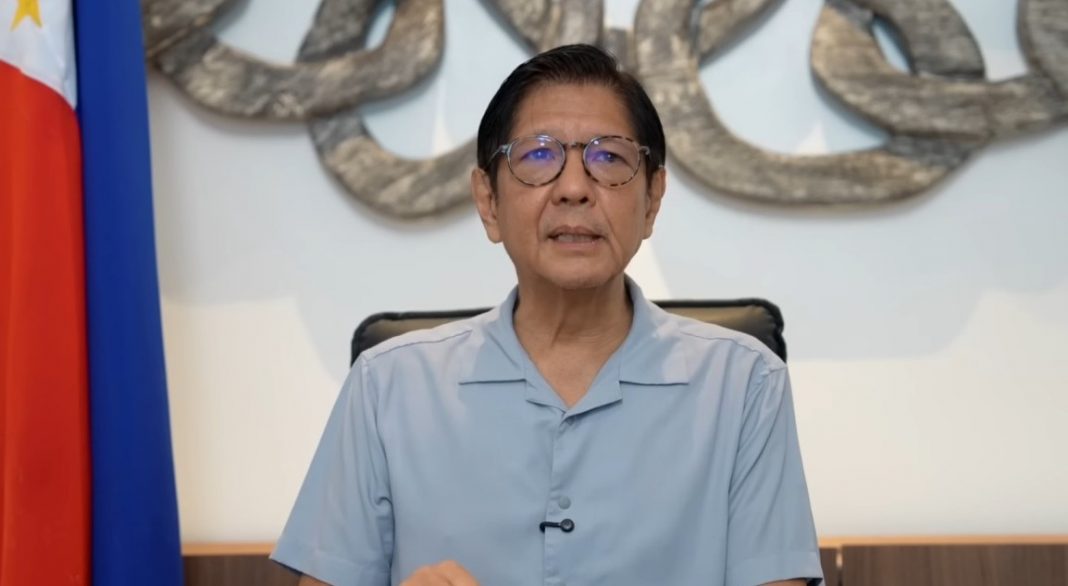
President Ferdinand R. Marcos Jr. announced a multi-sectoral government intervention strategy designed to shield Filipino families, transport workers, and the agricultural sector from the economic impact of global oil price volatility triggered by tensions in the Middle East.
Emphasizing a “leave-no-one-behind” approach, the President detailed a series of cash transfers, fuel subsidies, and legislative reforms aimed at lowering the cost of living and maintaining the stability of the transport and food supply chains.
Starting March 17, the Department of Social Welfare and Development (DSWD) has begun distributing ₱5,000 cash relief assistance to 139,000 tricycle drivers across 17 local government units (LGUs) in Metro Manila.
The President confirmed that this assistance will soon extend to:
-
Tricycle drivers outside of the National Capital Region.
-
Jeepney and Transport Network Vehicle Service (TNVS) drivers.
-
General transport workers, via the Department of Transportation’s fuel subsidies scheduled for release in the last week of March.
To protect food security, the administration is prioritizing the agriculture and fisheries sectors through the following measures:
-
Fuel Subsidies: Over 26,000 farmers and 26,000 fisherfolk will each receive ₱3,000 in fuel subsidies.
-
Direct Assistance: Farmers will receive an additional ₱2,000 under the Presidential Assistance for Farmers and Fisherfolk Program.
-
Logistics Efficiency: The President issued a stern call to LGUs to cease the collection of “pass-through fees,” which unnecessarily inflate the market prices of essential goods.
President Marcos Jr. has officially certified as urgent two key legislative measures:
-
Reduction of Excise Tax on petroleum products to provide immediate price relief at the pump.
-
Amendments to the Biofuels Act to facilitate the use of more affordable bioethanol.
Additionally, the Civil Aeronautics Board has shortened the fuel surcharge review period from 30 days to 15 days, allowing for faster fare adjustments. To further lower airfares, the government is reducing aviation-related charges, including landing, parking, and passenger service fees.
The Chief Executive reiterated the expansion of the “Love Bus” Program, providing free rides to commuters in Metro Manila, Metro Cebu, and Metro Davao.
In the education sector, the President reminded administrators that collection of fees and contributions remains prohibited in public schools. To support graduating students, the Department of Education (DepEd) will launch a “Serbisyo Fair” on March 25, connecting youth directly with government agencies and potential employers.
“Now, more than ever, we need to work together. No one will be left behind as we face this challenge,” President Marcos Jr. stated. “Expect your government to continue taking proactive steps to ease the burden of global events on our people.”
| Sector | Assistance/Action | Agency |
| Transport | ₱5,000 Cash Relief (Tricycles/Jeepneys/TNVS) | DSWD |
| Agriculture | ₱3,000 Fuel Subsidy + ₱2,000 Direct Aid | DA / BFAR |
| Commuters | Free Rides (Love Bus) | DOTR |
| Consumers | Suspension of Pass-through & Aviation Fees | LGUs / CAB |
| Students | Job Fairs & No-Fee Policy | DepEd |

