


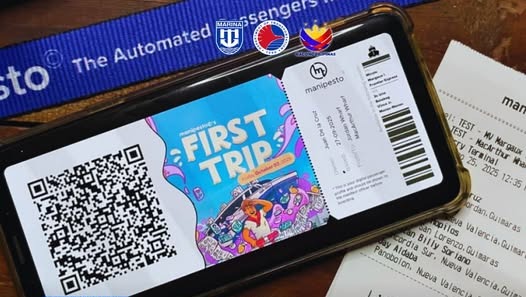
In a decisive move to modernize maritime safety, the Maritime Industry Authority (MARINA) is accelerating the nationwide rollout of digital passenger manifests. The initiative aims to eliminate vessel overloading by replacing outdated manual listings with real-time, digital tracking systems.
The agency is prioritizing the transition for domestic shipping operators, particularly those servicing short-distance and river routes where rapid turnarounds often lead to incomplete passenger records. Under the new directive, MARINA is enforcing a strict “No Data, No Boarding” policy. “There should be no passenger without a record,” stressed MARINA Administrator Sonia Malaluan. “Digital manifests are a critical step in ensuring the safety and accountability of every traveler. By automating this process, we close the gaps that have historically allowed for overloading.”
During recent field evaluations in Iloilo and Guimaras, MARINA highlighted two successful digital models currently in operation:
-
Tap-and-Go Systems: A dual-purpose card that handles both fare payments and automatic manifest generation.
-
QR-Based Registration: A mobile application developed in partnership with the Department of Information and Communications Technology (DICT) that allows passengers to register instantly.
MARINA is coordinating with the DICT to scale these technologies across more shipping lines. Recognizing the diverse needs of the industry, smaller operators will have the flexibility to choose between tap-and-go or QR-based systems based on their specific operational requirements and local internet connectivity.
The transition is expected to significantly strengthen safety protocols by providing the Philippine Coast Guard and port authorities with accurate, real-time data before any vessel leaves the pier. This digital shift not only streamlines the boarding process but also ensures that in the event of an emergency, every soul on board is accounted for.

