


Business activity in port municipalities rose by 17 percent after joining the Roll-on/Roll-off network, but neighboring towns experienced an average of 6.5 percent in local income as economic activity shifts toward transport hubs, a study by the Philippine Institute for Development Studies (PIDS) showed.
The study titled “Can Transport Infrastructure Reduce Inequality in Archipelagic Economies? Evidence from the Philippine Roll-on/Roll-off Network” authored by Senior Research Fellow Kris Francisco and former Senior Research Specialist Kimberly Librero examined municipal data from 2000 to 2020.
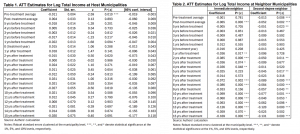
The study showed that business activity, measured through tax revenues in these areas, increased by about 17 percent on average following integration into the network, reflecting higher levels of enterprise activity and investment.
However, the neighboring towns experienced 6.5 percent decline in economic activity.
The authors of the government-owned think tank noted that improved connectivity creates favorable conditions for business development in port areas. “In the case of RoRo ports, improved connectivity appears to create favorable conditions for business development and commercial activity.”
However, these gains do not translate into broader income growth.
Based on the study, firms and consumers shift toward areas with direct transport access, reshaping where economic activity takes place. At the same time, municipalities hosting RoRo ports benefit from stronger commercial activity.
The study finds no statistically significant increase in total income in port municipalities, indicating that the RoRo network may be redistributing economic activity rather than expanding it overall.
“Our findings reveal that maritime infrastructure creates clear spatial winners and losers at scale, generating concentrated economic benefits for a minority of municipalities while imposing welfare costs on the majority,” the authors noted.
Connectivity reshapes local economies
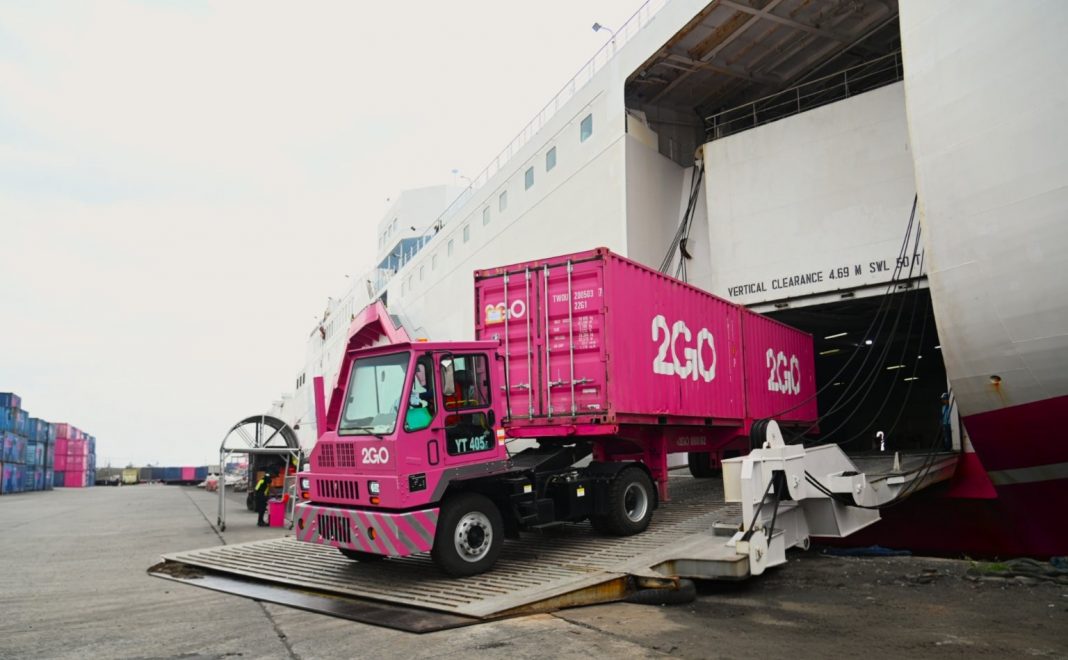
Introduced in 2003, the RoRo Terminal System was designed to improve inter-island connectivity by integrating road and maritime transport.
Vehicles can board ferries and continue travel across islands without unloading cargo, reducing transport costs and travel time.
These efficiency gains make port locations more attractive for businesses.
Firms may relocate closer to ports to minimize logistics costs, while consumers may prefer to shop and trade in areas that are easier to access.
But this concentration effect can come at a cost to surrounding areas. As activity shifts toward ports, nearby municipalities may experience reduced business activity and declining local revenues.
Source: PIDS
Infrastructure and economic growth
Infrastructure investments are widely seen as a key tool for promoting economic development.
In countries with challenging geography, like the Philippines, transport infrastructure can help connect markets and improve mobility.
“A frequently proposed strategy for stimulating inclusive growth is strategic investment in infrastructure, particularly in lagging regions,” the authors explained.
This is especially relevant in the Philippines, where the country’s geography creates barriers to economic integration.
“The fragmentation of the Philippines into more than 7,000 islands creates natural barriers to economic integration,” the study noted.
By improving inter-island connectivity, the RoRo network aims to speed up and improve the efficiency of the movement of goods and people.
Implications for infrastructure planning
The findings also highlight the importance of considering how infrastructure investments affect different communities.
While transport projects improve connectivity and economic integration, their benefits may not automatically spill over into surrounding areas.
Instead, improved transport access can create strong local growth centers that attract businesses and investment.
“Infrastructure remains essential for economic integration in archipelagic economies,” the authors said.
They added that complementary policies may help ensure that more communities benefit from improved connectivity.
These may include support for local businesses, regional development programs, and investments that help nearby municipalities take advantage of new transport links.

