


Agriculture Secretary Francisco P. Tiu Laurel Jr. on Thursday sought to reassure the public that food supply remains stable, even as rising oil prices linked to tensions in the Middle East raise concerns over costs.
“Definitely, there is no issue on supply. I can safely say that through June, even July, there is no issue on supply of almost everything,” Tiu Laurel said, pointing to adequate inventories and ongoing harvests.
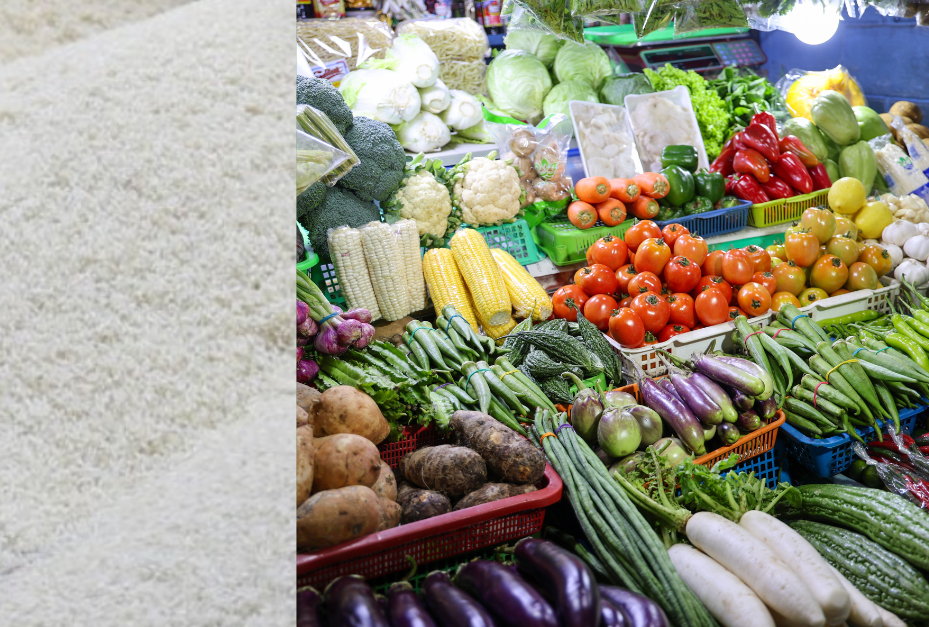
Rice, the country’s staple, continues to anchor supply stability. The National Food Authority currently holds about 400,000 metric tons of buffer stock—enough to feed all Filipinos for 10 days—while peak harvest season and incoming imports further strengthen availability.
The Department of Agriculture is also stepping up market measures to keep prices in check. These include monitoring rice prices, studying possible caps on imported rice, and directing Food Terminal Inc. and Planters Products Inc. to offer more affordable alternatives to consumers.
Supply conditions across other food categories remain broadly favorable.
“Supply of vegetables is also sufficient since this is the harvest and planting period,” Tiu Laurel said. He added that cold storage facilities are stocked with imported pork while the local swine population continues to increase. Corn, sugar, and onions are likewise in season, contributing to overall supply buffers.
Still, the agriculture chief acknowledged that global developments may have some impact on prices. “In general, prices should be stable although there might be some slight increases due to higher freight and transport cost,” he said.
Assistant Secretary Genevieve Guevarra said the P20 rice program for target beneficiaries will continue through June 2028 as directed by President Ferdinand Marcos Jr. “It is also President Marcos’ directive to ensure rice sold under this program are good quality grains bought from local producers,” she said.
The broader outlook suggests that while global oil volatility could push logistics costs higher, the Philippines’ current alignment of harvest cycles and inventory levels is helping cushion the impact. For now, supply remains steady, with the government focused on ensuring availability while limiting price pressures.

