


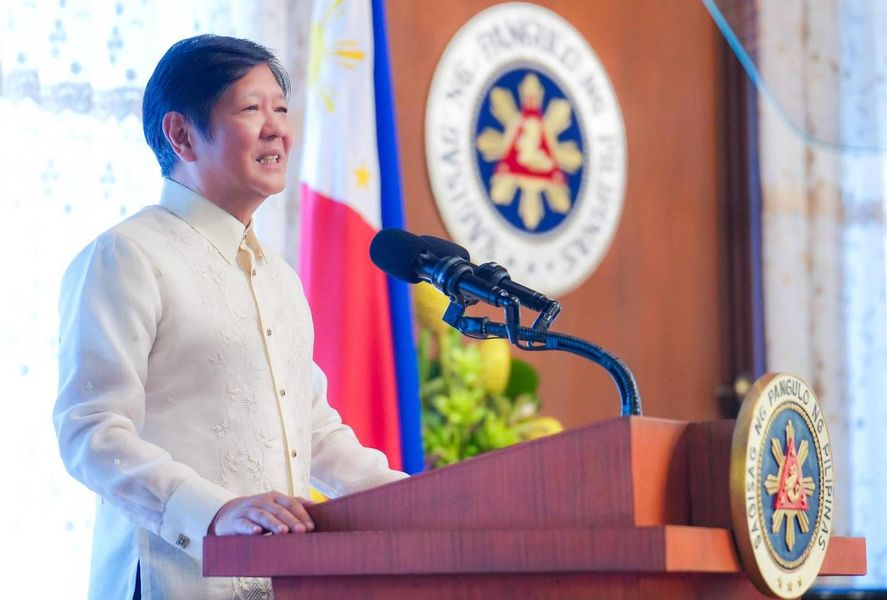
President Ferdinand R. Marcos Jr. has approved a landmark reform to the Philippine basic education system, transitioning public schools to a three-term academic calendar effective School Year 2026–2027.
The decision, made during the 8th Economic and Development (ED) Council meeting at Malacañan Palace, aims to eliminate the chronic learning disruptions caused by natural hazards and overlapping administrative events.
By streamlining the current four-quarter system into three focused terms, the administration seeks to provide a more stable and effective environment for both students and educators.
The reform addresses the long-standing issue of “compressed learning” by redistributing the academic year into three distinct phases. Each term is designed with dedicated blocks for instruction and assessment to ensure a balanced workload:
-
First Term: 54 instructional days; 10-day assessment period (includes a 5-day opening block).
-
Second Term: 55 instructional days; 10-day assessment period.
-
Third Term: 61 instructional days; 6-day assessment period.
“Our goal is to protect the quality of instruction,” President Marcos stated, emphasizing that the new structure will maintain the mandated 180-day contact period while allowing for better recovery intervals during disruptions.
Education officials highlight that the shift will reduce “lesson fragmentation,” allowing students more time to master complex concepts. For teachers, the reform offers significant relief from administrative burnout by:
-
Reducing the grading cycle from four periods to three.
-
Embedding 32 hours of dedicated professional development.
-
Establishing scheduled wellness intervals to mitigate workload pressure.
While the Department of Education (DepEd) confirmed that the new system will bypass pilot testing due to extensive prior consultations, President Marcos has issued specific directives to ensure a smooth transition. The DepEd is tasked with:
-
Aligning the new calendar with the existing Senior High School semestral system.
-
Developing specialized support frameworks for struggling learners within the shorter term structure.
-
Ensuring nationwide school readiness for the SY 2026–2027 rollout.
This reform stands as a pillar of the administration’s commitment to building a resilient education system capable of delivering high-quality outcomes despite the geographical and environmental challenges facing the nation.

