


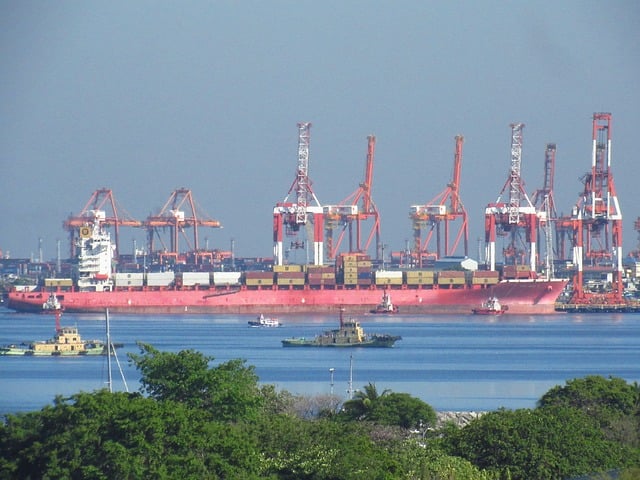
The Association of International Shipping Lines (AISL) has warned that the proposed In-Transit Asset Management and Supervision System (ITAMSS) of the Bureau of Customs (BOC) will mean additional cost of PHP850 per container, or about PHP2.6 billion in annual logistics expenses, aside from introducing operational inefficiencies in the country’s logistics chain rather than easing operations at the Manila ports.
In a position paper submitted to the BOC on March 17, 2026, the international shipping lines group recommended that the proposed Customs Memorandum Order on ITAMSS be set aside. Instead, it suggested revisiting the stalled 2023 discussions on the Automated Container Movement Monitoring System (ACMMS), also known as the GoFast solution, which includes a data-sharing agreement between the BOC and AISL.
Foremost, AISL raised concerns over the proposed PHP850 booking fee per container for the use of the ITAMSS platform.
AISL estimates that this charge could translate to around PHP2.6 billion in additional logistics costs annually, which may cascade throughout the supply chain and ultimately affect importers, industries, and consumers. The group noted that the potential increase in logistics costs comes at a time when global supply chains are already under pressure due to rising fuel prices and geopolitical tensions, including the ongoing conflict in the Middle East.
“Even assuming that ITAMSS will be able to cover all empty returns, either to the
offdock depot or direct to terminal, the user of the system shall pay a booking fee of
PHP850.00 per container,” stated the AISL paper addressed to BOC Commissioner Ariel Nepomuceno and copy furnished to Finance Secretary Frederick Go.
Monitoring issues
Operational concerns were also highlighted in the position paper. AISL said the proposed workflow introduces additional procedural steps before truck dispatch, including appointment booking, assignment of electronic Customs seals, and verification procedures at the importer’s premises. The association warned that these added processes could significantly affect truck turnaround time and create inefficiencies in the movement of empty containers returning to container yards or terminals.
AISL also raised concerns about possible device malfunctions or GPS signal disruptions that may trigger system alerts and investigations, particularly in Metro Manila, where logistics routes frequently change due to traffic conditions and road rerouting. Such situations, the group said, could lead to delays in the return of containers to designated depots.
By comparison, the ACMMS offers an end-to-end monitoring solution covering container movement across terminals, depots, and circulation within the country at no cost to the government and the transacting public, while also providing an appointment system that ensures space allocation at depots.
AISL also emphasized that the proposed system does not effectively address the monitoring of the 90-day dwell time of foreign containers at Philippine seaports, as mandated under Customs Administrative Order (CAO) No. 08-2019.
Under existing regulations, container dwell time is measured from the date of discharge from the carrying vessel until the container is re-exported. However, AISL pointed out that the ITAMSS framework primarily tracks the movement of empty containers only after they have undergone Customs clearance, settled terminal and shipping charges, and been delivered to the importer’s warehouse.
According to AISL, the system’s monitoring process begins only after containers have already left the port, raising concerns about whether the proposed platform can effectively fulfill the objective of CAO No. 08-2019 in monitoring container dwell time. The association also noted that ITAMSS coverage appears limited, as industry practice shows that approximately 70 percent of empty containers are returned directly from the importer’s warehouse to port terminals, while only about 30 percent are transferred to off-dock container yards or depots.
In comparison, the association stressed that the stalled ACMMS offers an end-to-end monitoring solution covering container movement across terminals, depots, and circulation within the country at no cost to the government and the transacting public, while also providing an appointment system that ensures space allocation at depots.
AISL President Patrick Ronas, who signed the position paper, said he does not see how ITAMSS can improve operational efficiency at the Manila ports.
Set aside ITAMSS
Given these concerns, AISL recommended that the proposed Customs Memorandum Order on ITAMSS be set aside and that discussions on the ACMMS be revisited.
To ensure the proposed regulation aligns with current port operations, AISL also recommended subjecting it to a Regulatory Impact Assessment (RIA), as required under Republic Act No. 11032, or the Ease of Doing Business and Efficient Government Service Delivery Act of 2018.
AISL said stakeholders would be interested to know whether such an assessment has been conducted and reviewed by the Anti-Red Tape Authority to determine if the regulation may impose unnecessary costs or administrative burdens on the public.

