


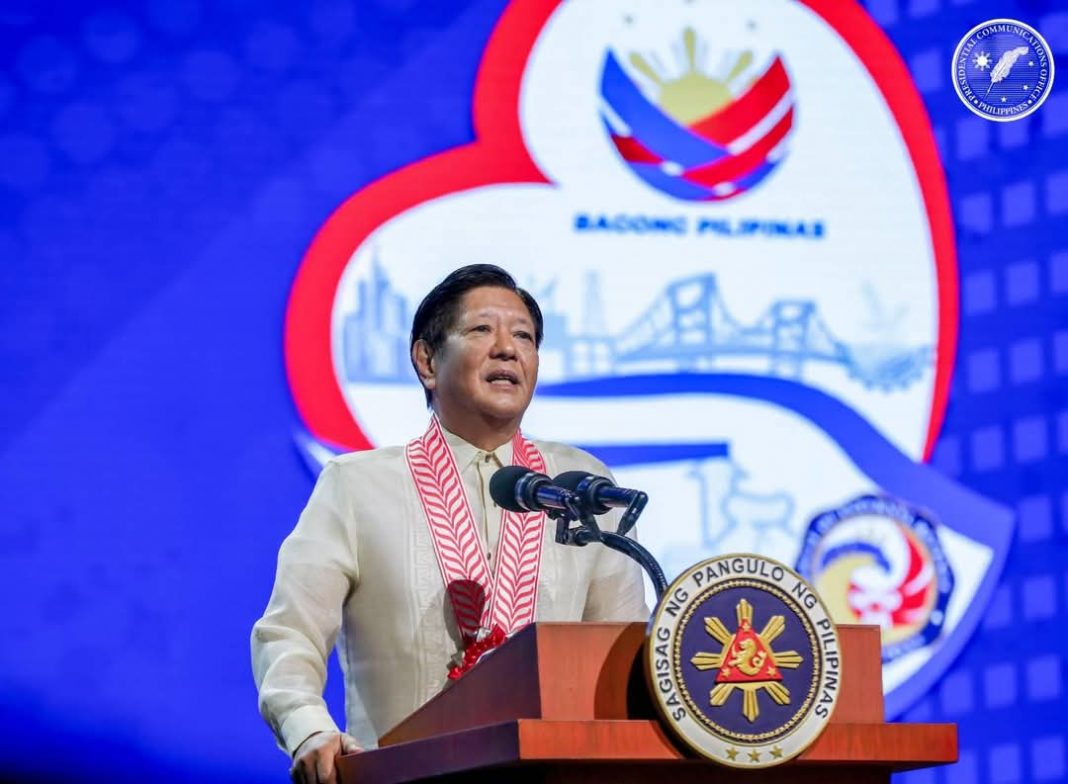
Amid rising global uncertainties and fluctuating oil prices driven by tensions in the Middle East, President Ferdinand R. Marcos Jr. has moved decisively to protect Filipino households from the ripple effects of international crises.
Through the declaration of a State of National Energy Emergency (Executive Order No. 110) and the launch of the Unified Package for Livelihoods, Industry, Food, and Transport (UPLIFT), the administration is shifting from reactive measures to proactive protection. The goal is clear: stabilize food prices, ease transportation costs, and ensure that external pressures do not break the family budget. “Nais kong maging malinaw tungkol sa aming prayoridad… ang hindi maaaring mangyari ay maramdaman ng bawat Pilipino ang buong bigat nitong mga pangyayari na wala naman silang kinalaman,” President Marcos stated during a national address, emphasizing that food, fare, and electricity costs remain the government’s top concerns.
To prevent supply shortages from driving up prices, the President spent the week inspecting critical agricultural infrastructure designed to lower production costs and reduce post-harvest losses:
-
Solar-Powered Irrigation: In Camarines Sur, the President inspected P332 million in solar irrigation projects. These facilities allow over 1,800 farmers to drastically cut power consumption, directly lowering the cost of producing rice and crops.
-
Cold Storage Expansion: The administration inaugurated the Bicol Mega Cold Storage and a new 20,000-bag capacity onion cold storage in Isabela. These facilities prevent spoilage and ensure a steady year-round supply of vegetables, meat, and fish, protecting consumers from seasonal price spikes.
-
Mechanization Support: The Department of Agriculture confirmed that 151 rice processing systems are now operational nationwide, funded by the Rice Competitiveness Enhancement Fund to bolster domestic rice production.
Recognizing that fuel prices dictate the cost of nearly every household commodity, the government has accelerated the rollout of targeted financial aid:
| Recipient | Assistance Amount | Purpose |
| Bus Operators | ₱10,000 per unit | Offset fuel costs & prevent fare hikes |
| PUV/Jeepney Drivers | ₱5,000 each | Direct income support |
| Farmers & Fisherfolk | Financial & Fuel Subsidies | Maintain food production levels |
President Marcos personally oversaw the initial rollout of the ₱2.5-billion fuel subsidy at the Parañaque Integrated Terminal Exchange (PITX), ensuring that cash aid reaches TNVS, jeepney, and delivery riders promptly to prevent a domino effect of fare increases.
In a historic milestone for social protection, the President announced the achievement of “Zero Doctorless Municipalities” for 2025. By deploying 290 doctors to the farthest “barrios,” the government is reducing the financial burden of healthcare on rural families, ensuring that medical needs are met locally before they become costly emergencies.
The Marcos administration remains committed to a “whole-of-government” approach. By strengthening domestic production and maintaining a robust social safety net, the Philippines is building a buffer against global volatility—ensuring that every Filipino home remains secure and every table has food.

