


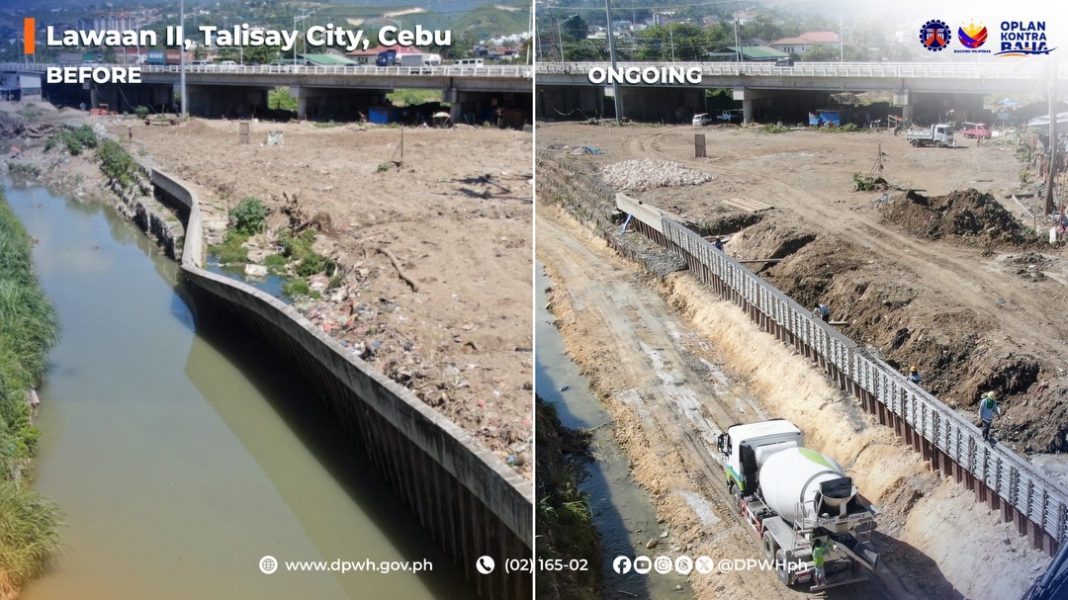
Following a direct mandate from the President to fortify the country’s flood defenses, the Department of Public Works and Highways (DPWH) announced an aggressive expansion of its “Oplan Kontra Baha” initiative.
DPWH has mobilized heavy equipment and technical teams for relentless cleaning, dredging, and desilting operations across major waterways nationwide to mitigate the impact of the upcoming rainy season.
The directive emphasizes the urgency of completing repairs and clearing obstructions before the onset of the seasonal rains. Secretary Vince Dizon assured the public that the DPWH is working around the clock to restore the carrying capacity of rivers and drainage systems, which are often clogged by accumulated silt and debris.
“Our goal is clear: we are widening the breathing room of our waterways,” said Secretary Dizon. “By staying ahead of the weather, we are not just moving silt; we are protecting lives and livelihoods from the perennial threat of urban and agricultural flooding.”
The DPWH has identified several high-risk areas where flood mitigation efforts are being prioritized. These “hotspots” have historically been susceptible to heavy rainfall and severe flooding:
| Luzon | Visayas | Mindanao |
| Metro Manila | Cebu | Cagayan de Oro |
| Ilocos Region | Bacolod | Maguindanao |
| Cagayan Valley | Naga (Bicol) |
Beyond simple debris removal, Oplan Kontra Baha involves:
-
Dredging and Desilting: Increasing the depth of riverbeds to handle higher volumes of water runoff.
-
Drainage Improvement: Clearing urban manholes and lateral pipes to prevent localized street flooding.
-
Structural Repairs: Reinforcing seawalls, dikes, and pumping stations to ensure they are fully operational for 24/7 use.
The Secretary noted that while these engineering interventions are vital, the agency is also coordinating with Local Government Units (LGUs) to ensure better waste management, preventing trash from re-clogging the newly cleaned waterways.
The DPWH remains committed to the relentless execution of these disaster-prevention measures. As the agency nears its targets for the second quarter, it encourages the public to remain vigilant and report any blocked drainage systems to their respective district offices.

