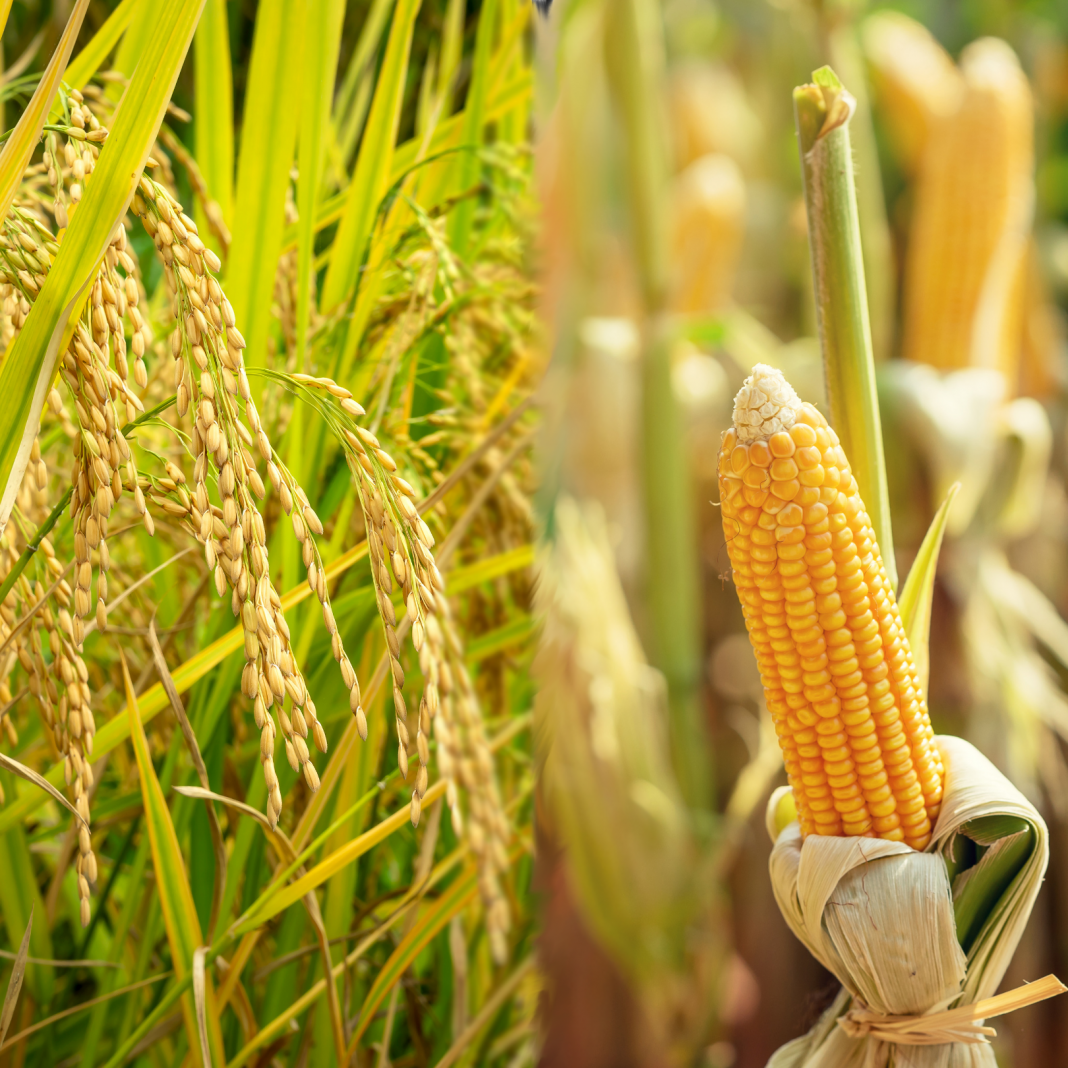
The Federation of Free Farmers (FFF) and the MAGSASAKA Party-List vehemently opposed a proposal to remove tariffs on corn imports.
In a statement, the farmers group alleged that the tariff cut was reportedly suggested during a recent meeting of President Ferdinand R. Marcos, Jr. with business groups to mitigate the impact of the energy crisis on retail prices of chicken and pork.
At present, corn imports are assessed a 5 percent tariff if the corn is sourced from ASEAN or brought in under the minimum access volume (MAV) system. Other imports are charged 15 percent. In 2025, local corn production supplied only 60 percent of local requirements, with imports of corn and corn substitutes like feedwheat making up for the shortfall.
The FFF and MAGSASAKA explained that setting import tariffs on corn to zero would reduce the landed cost of corn by an average of PHP1.70 per kilo. This would translate to an equal reduction in the production cost of broiler chicken, since approximately one kilo of corn is needed to produce a kilo of chicken. Assuming the savings on import duties would be passed on in full to consumers, retail prices of chicken would go down by less than 1 percent.
In turn, some two million corn farmers cultivating 2.3 million hectares stand to incur almost PHP12 billion in losses if farmgate prices drop by PHP1.70 per kilo as a result of the tariff cut, they pointed out.
“Coupled with rising fuel and farm inputs costs, a zero tariff may force half of corn farmers to stop production over an estimated 1.15 million hectares,” FFF Board Chairman Leonardo Q. Montemayor said.
“Instead of passing on the burden of high energy prices to farmers, the government should assist local hog and poultry raisers in securing cheaper veterinary medicines, vaccines, and other inputs that are not locally produced,” said MAGSASAKA Chairman Argel Joseph T. Cabatbat.
Montemayor and Cabatbat added that feedgrains manufacturers as well as poultry and livestock producers had already previously enjoyed major tariff concessions from the government and have been allowed to freely import corn substitutes like feedwheat and barley at similarly reduced tariffs.
“Reducing tariffs at this time will give the wrong signals to our corn farmers, who are themselves seriously affected by the increase in fuel, fertilizer, labor and other production costs. This will make us even more dependent on imports at a time when international supplies are becoming costlier and less available,” the statement added.