


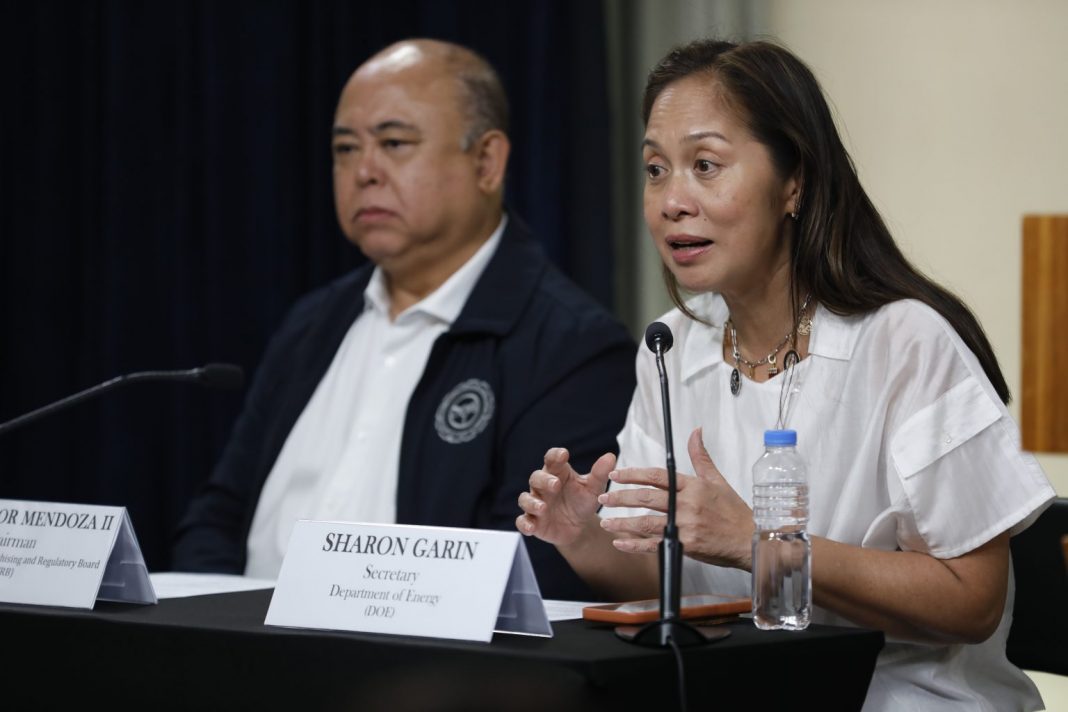
To ensure the stability of the nation’s energy supply amidst escalating global tensions, President Ferdinand R. Marcos Jr. has directed the Department of Energy (DOE), through the Philippine National Oil Company (PNOC), to strategically procure 318 million liters (2 million barrels) of crude oil from international sources.
The move marks a proactive shift in the government’s energy policy, aimed at diversifying supply chains and shielding the Filipino public from the volatility of the Middle East conflict.
In a Palace briefing on Friday, DOE Secretary Sharon Garin announced that the government has already secured a significant portion of this target.
-
Current Progress: 165 million liters are already scheduled for imminent delivery.
-
Source Countries: Supply is being sourced from Malaysia, Singapore, India, and Oman, reducing the country’s singular dependence on the Strait of Hormuz. “The government is now purchasing its own supply to augment the reserves of private oil companies,” Secretary Garin stated. “This was an explicit order from the President to ensure we are prepared for any contingency.”
The procurement is a cornerstone of the newly adopted Unified Package for Livelihoods, Industry, Food, and Transport (UPLIFT). Established via Executive Order, UPLIFT serves as a coordinated response framework designed to:
-
Maintain a stable and continuous energy supply.
-
Ensure uninterrupted essential services and economic activity.
-
Protect vulnerable sectors from price shocks.
Secretary Garin allayed public fears regarding potential shortages, revealing that the Philippines has successfully extended its oil inventory.
-
Increased Buffer: The national stock is currently maintained for 50 days, surpassing the standard 30-day reserve requirement.
-
Replenishment Strategy: These reserves are managed as a “rolling” stock, meaning supplies are replenished continuously as new shipments arrive.
To ensure the safe and timely arrival of these shipments, the DOE has established a direct coordination line with the Department of Foreign Affairs (DFA). This “whole-of-government” strategy allows Philippine officials to work closely with foreign ambassadors to resolve any logistical or diplomatic bottlenecks in the global supply chain.
The DOE and PNOC continue to explore additional partnerships with non-traditional energy exporters. This strategic diversification ensures that the Philippine economy remains resilient and that the daily needs of Filipino consumers, transporters, and industries are met without interruption.

