


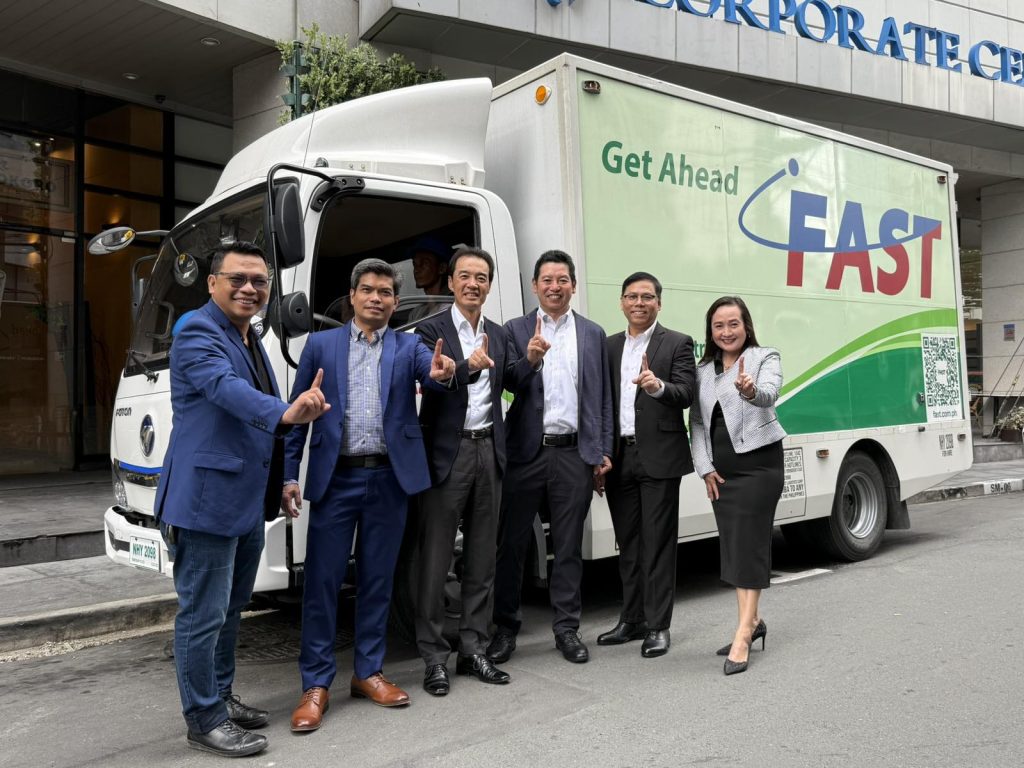
FAST Logistics Group (FAST), a leading end-to-end logistics solutions provider in the Philippines, announced a bullish outlook for the Philippine supply chain in 2026. The company cites robust domestic demand, sustained business expansion, accelerating technology adoption, and a growing focus on sustainability as the primary catalysts for growth.
Despite logistical disruptions encountered in late 2025 due to severe weather events and infrastructure constraints, FAST maintains that momentum across the warehousing and transportation sectors remains strong heading into the new year.
The positive forecast is underpinned by the sustained expansion of local enterprises and the increased entry of international companies into the Philippine market. Aligning with this trend, the World Bank projects the Philippine economy will achieve approximately 5.3% annual growth through 2026, positioning it among Asia’s fastest-growing economies.
These developments are expected to drive significantly higher demand for end-to-end logistics services, requiring faster replenishment cycles and broader regional coverage beyond the National Capital Region, particularly across the Visayas and Mindanao regions.
“2026 will be a year where agility and foresight separate market leaders from followers,” said Manuel L. Onrejas Jr., CEO for Logistics of FAST Logistics Group.
Citing industry projections, FAST highlights the anticipated expansion of the Philippine logistics market value, which is expected to rise from $55.65 billion in 2024 to nearly $102.52 billion by 2034.
FAST anticipates that forward stocking and cargo consolidation will emerge as critical operational strategies, particularly for Fast-Moving Consumer Goods (FMCG) and other high-volume industries.
Forward stocking involves strategically positioning inventory closer to demand centers. According to Mr. Onrejas, “Forward stocking is now a resilience strategy rather than a backup plan. 2026 will see increased investment in strategic regional distribution hubs, particularly for FMCG, pharmaceuticals, and home care.” This approach is crucial for improving service levels and reducing delivery lead times, especially during disruptions like typhoons.
Strategic shipment consolidation combines multiple shipments into fewer, larger loads. “Strategic shipment consolidation is a powerful lever for both cost efficiency and sustainability, especially as an alternative to direct-to-store deliveries,” Mr. Onrejas added.
To meet the demands of rapid expansion, the Philippine logistics sector is accelerating its transition into a new era of digital innovation.
AI-Enabled Logistics: Companies like FAST are increasingly integrating AI and digital systems into their operations. These technologies, specifically for route optimization and truckload planning, are becoming key enablers of both growth and operational efficiency across the supply chain.
Green Logistics: Sustainability is shifting from a secondary concern to a critical business requirement in 2026. FAST anticipates significant expansion in green logistics initiatives, including the adoption of electric vehicles, the development of energy-efficient facilities, and process optimization. These efforts are expected to support long-term cost efficiency and regulatory compliance as businesses scale.
The company identified talent availability and workforce capability as decisive factors for sustained supply chain growth. As operations become more technology-driven and complex, the demand for skilled professionals in warehousing, transport, and supply chain analytics is rising.
FAST underscored the importance of continued investment in training, leadership development, and operational upskilling. The company emphasized that structured learning programs and deep operational expertise are essential for organizations to successfully navigate market demands and ensure service reliability throughout their expansion.

