


The value of Philippine agricultural output climbed to P1.77 trillion in 2025, up 2.6 percent from a year earlier—a respectable gain, though one held back by weather-related setbacks in the last quarter of the year.
The growth in 2025 is the highest recorded in the past five years.
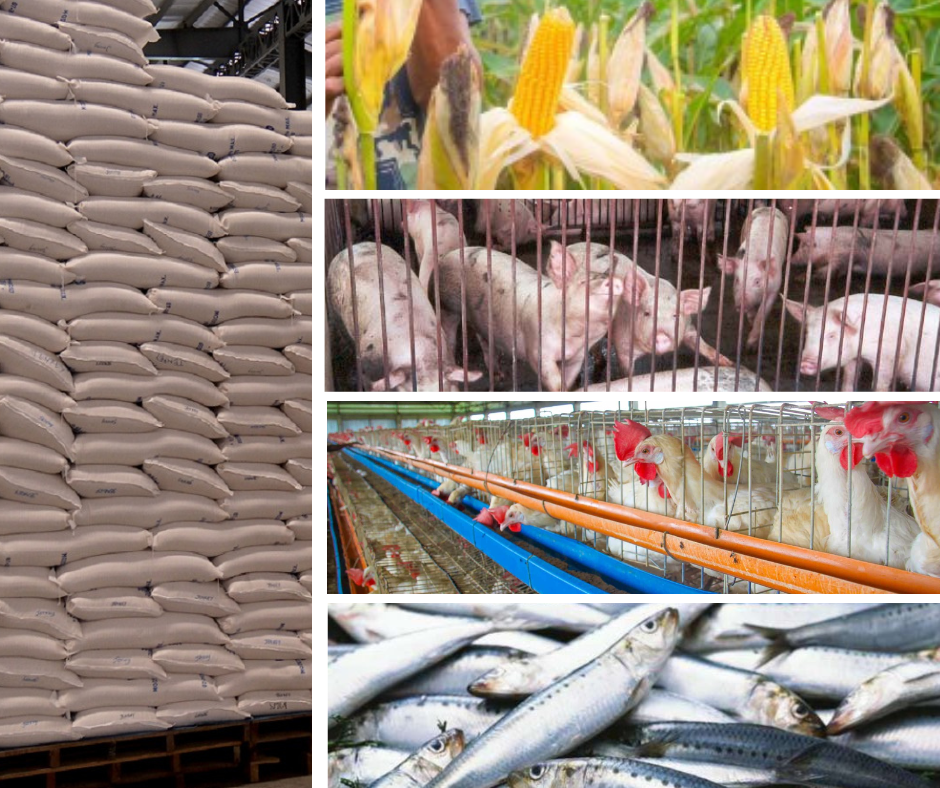
Crop production took the hardest hit. In the fourth quarter, the value of crops—including rice and corn—fell 2.5 percent to P274.3 billion, dragged down by weather disturbances that disrupted harvests. For the full year, however, crop output still managed a 2.8 percent increase to P986.8 billion, accounting for 56 percent of total agricultural production. The data underscores a familiar vulnerability: crops remain the backbone of agriculture—and its weakest link when climate risks intensify.
Agriculture Secretary Francisco P. Tiu Laurel Jr. said the government is shifting from reaction to resilience. “We’re now laying the groundwork for a smarter, climate-resilient agriculture,” he said, pointing to investments in cold storage, drying facilities, silos, upgraded rice processing systems, greenhouses, and smart irrigation. The goal is to temper weather shocks, stabilize supply, and smooth food prices for both producers and consumers.
Elsewhere, the performance was mixed. Livestock production rose 1 percent in the fourth quarter to P68.4 billion, driven largely by swine, but fell 2.3 percent for the full year to P246.4 billion, reflecting lingering structural challenges in the sector.
The hog subsector posted 1.6 percent growth in the fourth quarter—the first expansion since the ASF outbreak—signaling a sustained recovery.
Poultry stood out as the year’s bright spot. Fourth-quarter output jumped 8.9 percent to P78.2 billion, and full-year production climbed 9.1 percent to P304.7 billion, with gains across nearly all commodities except duck eggs. Poultry now accounts for roughly 16 percent of total agricultural output, emerging as a key growth engine.
Fisheries, meanwhile, posted a 4 percent increase in the fourth quarter to P66.1 billion, but ended the year slightly lower at P233.7 billion, down 0.3 percent.
The takeaway is clear: growth is holding, but climate volatility is setting the ceiling. Without faster adaptation, agriculture’s gains risk being washed out—quite literally—by the next storm.

