


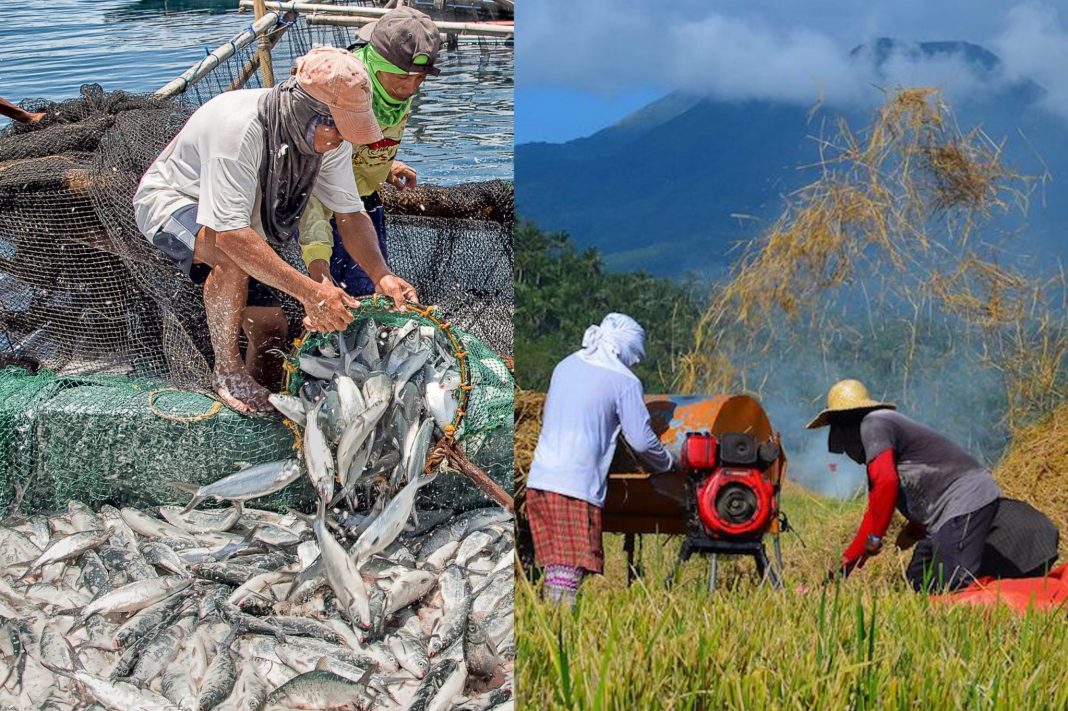
Philippine agriculture is entering 2026 on firmer footing after posting its strongest growth in eight years, though sustaining the momentum will require continued investment, policy reform, and cooperation from the weather, Agriculture Secretary Francisco P. Tiu Laurel Jr. said.
Speaking during the induction of the new officers of the Economic Journalists Association of the Philippines on Monday, February 9, Tiu Laurel said the sector’s 3.1 percent expansion in 2025 showed that recent reforms were beginning to gain traction despite persistent risks.
The growth came even as the country was hit by 23 storms last year, with 22 of them striking in the second half, a period critical to harvests. Still, agricultural exports rebounded, led by a recovery in banana shipments and rising demand for other tropical fruits. Philippine avocados entered the Japanese market for the first time, while durian gained access to new export destinations. Domestically, onion prices stabilized after years of sharp volatility.
“These are early gains from a longer and deliberate reset of the sector,” Tiu Laurel said, noting that reforms accelerated when President Ferdinand Marcos Jr. took the helm of the Department of Agriculture in 2022.
At the center of the strategy ensuring food production is a money-making venture. “Farmers and fisherfolk must be profitable, agriculture must reclaim its role as a serious economic driver, and the sector must build hope and futures that draw in a new generation because opportunity is real,” he said.
To support that goal, the Marcos administration this year allocated one of the largest budgets for agriculture in recent history. Funds are being directed toward farm-to-market roads, warehouses, food hubs, post-harvest facilities, dryers, and a national command center to improve coordination across the sector. “These are not headline investments,” Tiu Laurel said. “They are long-game investments, and they matter.”
However, he said the current spending push remains insufficient to fully address structural weaknesses. The Department of Agriculture estimates the sector needs between P400 billion and P500 billion in annual funding, sustained across two administrations, to reverse decades of underinvestment, rebuild institutions such as the National Food Authority, and improve resilience against external shocks.
Still, the DA chief said the agency is determined to “make the most of the hand we are dealt.”
The near-term measures implemented by the DA have helped moderate food prices. Rice prices declined in 2025, easing inflationary pressures and supporting interest-rate cuts. Benteng Bigas, Meron Na has moved “from slogan to policy,” reaching all 82 provinces and more than two million Filipinos while sourcing rice directly from local farmers. Cold storage projects and food hubs have also advanced from planning to construction, helping reduce post-harvest losses.
Tiu Laurel said historical trends point to room for cautious optimism. In eight of the past 20 years, agriculture has grown by more than 3 percent, with growth peaking at 5.4 percent in 2007. “If the weather cooperates, pests behave, vaccines arrive, laws move, and exports expand,” he said, “there is reason to believe that 2026 could become the ninth.”
Still, he stressed that sustaining growth will depend on turning agriculture into a viable investment sector capable of retaining the next generation of producers.

