


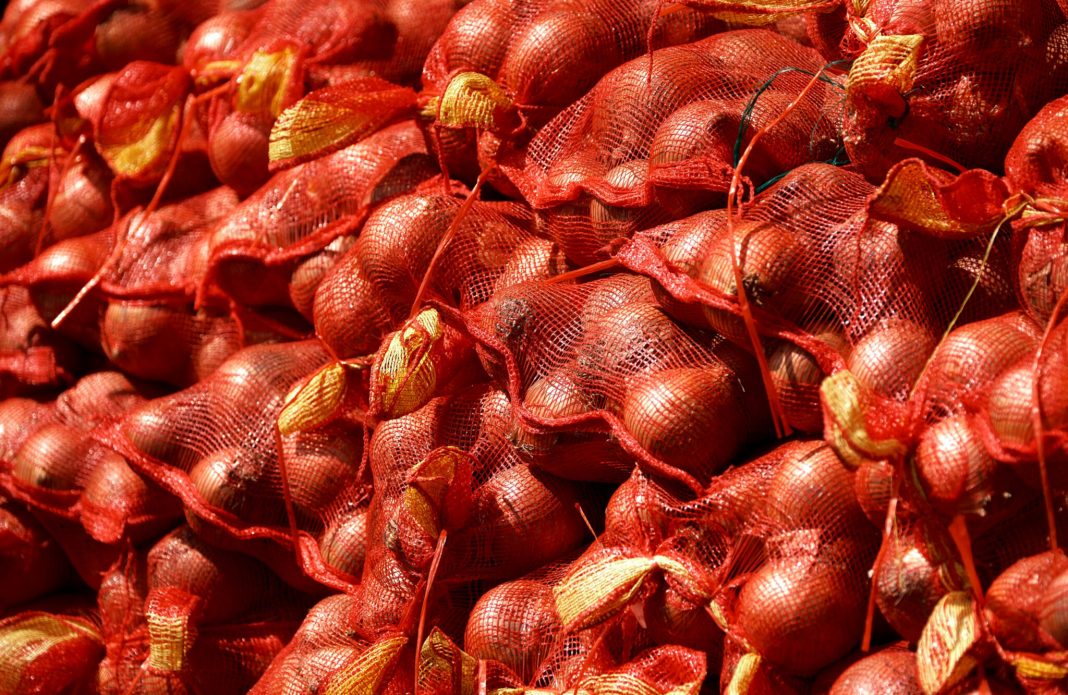
When onion farmers in Nueva Ecija raised the alarm over plunging red onion prices, Agriculture Secretary Francisco P. Tiu Laurel Jr. moved quickly, directing the Bureau of Plant Industry (BPI) to scrutinize the numbers and determine what measures must be imposed to ensure that farmers’ bottomline is not affected while consumers have available and affordable supply.
The complaint, sent via Messenger on February 13, warned that imported onions were piling up in cold storage facilities across Region III and dragging down farmgate prices. Within hours, the BPI turned to its data nerve center—the One-Stop Industry Revitalization and Information System (OSiRiS)—to verify the claim.
The dashboard painted a revealing picture. As of 4:15 p.m. on February 13, monitoring reports covering about 82 percent of cold storage warehouses showed 4,454.09 metric tons (MT) of red onion stocks and 5,271.15 MT of yellow onions, nearly all of the stocks imported. At an average warehouse price of P30.36 per kilo for red onions, inventories are projected to last until February 19 for red onions and March 15 for yellow.
At first glance, the figures suggest an oversupply. In context, however, they tell a different story—one that anticipates the seasonal uptick in local harvests expected to peak between March and April.
According to the Department of Agriculture’s National Plant Quarantine Services Division, about 8,000 MT of red onions are covered by sanitary and phytosanitary import clearances valid until February 15 and must arrive before local harvest peaks up. Assumptions made by BPI shows that even if all remaining shipments arrive within the month, imported red onion stocks would likely last only until March 6, just as harvest starts to peak. However, old stocks held by private cold storages must also be accounted for, if any.
Beyond that date, the DA expects supply to improve, with favorable weather conditions. Estimated local production from onion-producing municipalities shows that red onion production from January to March is at just 9,325.14 MT—roughly 18 percent of the 52,034.4 MT. Outlying provinces known for traditional onion varities may add-up to local supply availability to meet daily consumption but is not expected to further dampen prices. On the otherhand, supply for yellow onion which is used for commercial purposes is quite low, projected at only 1,645.25 MT for the quarter.
“The numbers show that current stocks from imports are not overwhelming the market but merely plugging a supply gap,” Tiu Laurel said. “That said, we are taking a closer look at why onion prices are falling at this time of the year, as claimed by farmers.”
Given the supply trend analysis, he urged farmers to maximize available cold storages provided by the DA to store their harvested onions to prolong shelf-life and better time their releases when market prices have improved to avoid flooding supply channels. The DA will also inspect cold storage facilities—particularly those it provided—to ensure adequate space and proper utilization for the benefit of local farmers.
The department had granted cold storage facilities, many of them in Central Luzon, to ensure availability even during lean season as well as to help extend the shelf life and stabilize prices—not to exacerbate supply swings.

