


The Philippine Exporters Confederation, Inc. (PHILEXPORT) welcomed the decision of the United States Supreme Court that struck down PresidentDonald Trump’s previous Liberation tariffs, announced on April 2, 2025, as unconstitutional, but expressed concern over the new 10 percent global tariff Trump imposed on all exports to the U.S. effective February 24 this year.
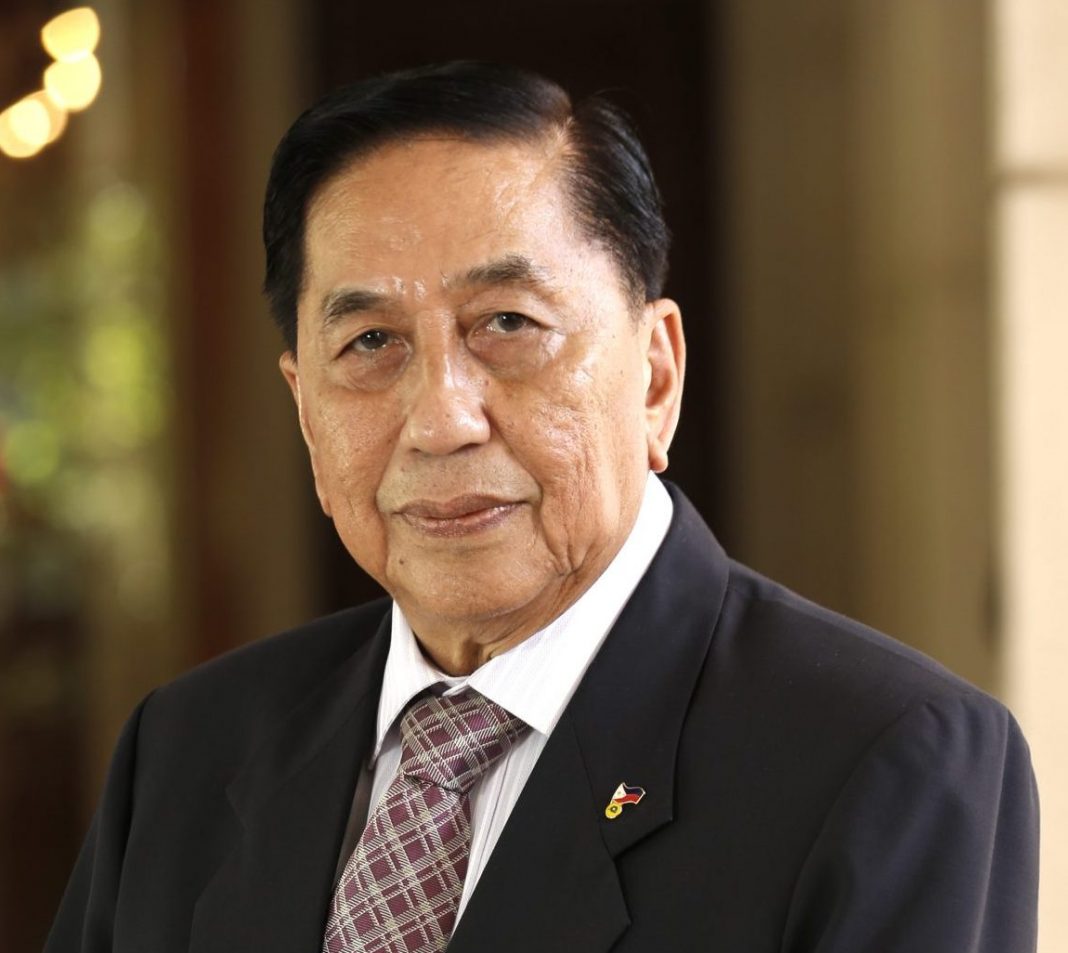
“The invalidation of the previous 19 percent tariff provides much-needed legal relief to our members,” said Sergio Ortiz-Luis Jr., President of PHILEXPORT. “Our exporters showed incredible resilience last year, driving total exports to a record USD84.4 billion despite these headwinds. This ruling removes a major barrier that was unfairly penalizing Philippine craftsmanship and industry.”
The 6-3 Supreme Court decision on February 20 invalidated the sweeping tariffs previously imposed under the International Emergency Economic Powers Act (IEEPA). For Philippine exporters, who faced an average “reciprocal” levy of 19 percent throughout 2025, this ruling represents a significant victory for a rules-based trading system.
However, Trump also announced a new 10 percent on all its trading partners effective Tuesday, February 24 2025, under Section 122 of the Trade Act of 1974. PhilExport expressed concern this new tariff barrier.
Under US law, the Section 122 tariff is capped at 150 days unless extended by the US Congress. PHILEXPORT views this window as a crucial time for bilateral negotiation. President Marcos Jr. is on a working visit to New York from March 8 to 11, 2026.
“While this is an additional cost, its ‘global’ application means the Philippines maintains its relative competitiveness against other trading nations,” said Ortiz Luis.

Based on the official White House website, some goods will not be subject to the temporary 10 percent import duty because of the needs of the U.S. economy. These goods include, certain critical minerals, metals used in currency and bullion, energy, and energy products; natural resources and fertilizers that cannot be grown, mined, or otherwise produced in the United States or grown, mined, or otherwise produced in sufficient quantities to meet domestic; demand; certain agricultural products, including beef, tomatoes, and oranges; pharmaceuticals and pharmaceutical ingredients; certain electronics; passenger vehicles, certain light trucks, certain medium and heavy-duty vehicles, buses, and certain parts of passenger vehicles, light trucks, heavy-duty vehicles, and buses; certain aerospace products; and informational materials (e.g., books), donations, and accompanied baggage.
Meantime, there are key considerations for the Philippine export sector. For instance on sectoral exemptions, PHILEXPORT is optimistic that critical sectors, particularly Semiconductors and Electronics (which reached $47 billion in 2025), will continue to be shielded by existing exemptions due to their role in the US tech supply chain.
On agricultural stability where more than USD1 billion worth of Philippine agricultural exports—including coconut oil, pineapples, and mangoes remain under specific exemptions, ensuring these vital industries stay competitive.
Ortiz-Luis said the 150-day window under Section 122 Tariff should be used by the Philippine government for negotiation.

