


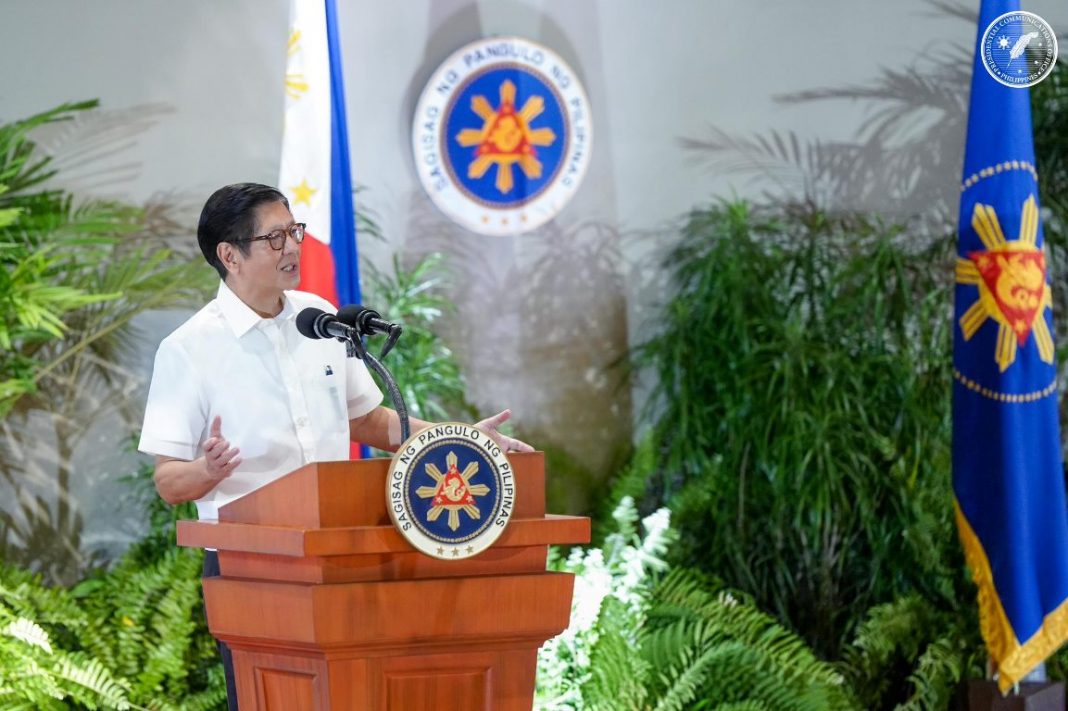
President Ferdinand R. Marcos Jr. formalized a landmark partnership on Monday between the Department of Education (DepEd) and City Local Government Units (LGUs), aimed at accelerating the construction and rehabilitation of classrooms across the country.
The signing of the Memorandum of Agreement (MOA) initiates the second phase of the administration’s Nationwide Classroom Building Program. This strategic move addresses a critical infrastructure gap, with the national classroom shortage estimated at 144,758 units as of January 2026.
Under the new agreement, city governments will take the lead in procurement, construction, and project management. This shift leverages local expertise for faster implementation, while DepEd maintains its role in setting quality standards and validating compliance before final turnover. “We cannot wait for decades to give every student a safe and conducive classroom,” President Marcos stated. “By signing this MOA, we are giving our cities a larger role in ensuring that no project is delayed and every centavo is spent correctly.”
The President highlighted the human cost of the shortage, noting that overcrowded classrooms and multi-shift schedules hinder student learning, burden teachers, and cause undue anxiety for parents.
The initiative is bolstered by a significant financial commitment under the 2026 General Appropriations Act, which earmarks PhP 85.4 billion for Basic Education Facilities.
| Funding Tranche | Investment | Projected Classrooms |
| First Tranche | PhP 9.6 Billion | ~4,000 Units |
| LGU Partnership (New MOA) | PhP 5.96 Billion | ~1,700 Units |
To ensure transparency, the program mandates strict accountability measures, including:
-
Tranche-based fund releases tied to project milestones.
-
The use of dedicated trust accounts for school building funds.
-
Mandatory monthly and quarterly reporting to DepEd.
President Marcos emphasized that infrastructure is only one piece of the puzzle. The administration is simultaneously advancing the ARAL Program, accelerating the procurement of learning materials, and improving career pathways for educators to provide a comprehensive solution to the Philippine education crisis.
“We are not just building classrooms; we are building a strong future for our youth and for our beloved Philippines,” the President concluded.

