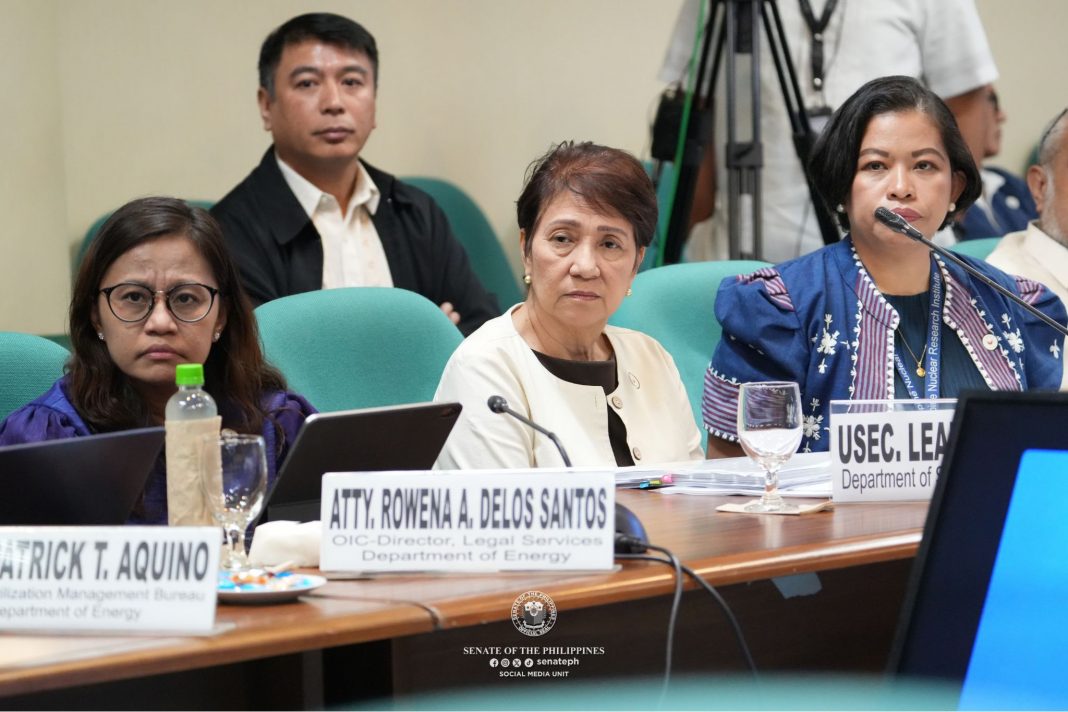
The Department of Energy (DOE), in coordination with the Senate Committee on Foreign Relations, continued its comprehensive review of four major international nuclear conventions on Tuesday as part of ongoing efforts to assess the country’s readiness to establish a national nuclear energy program.
The joint review forms a critical component of the Philippines’ broader strategy to diversify its energy mix, enhance long-term energy security, and transition toward low-carbon power generation.
During the resumed deliberations, the panel examined the following international agreements:
- The Convention on Nuclear Safety, which sets global benchmarks for maintaining high safety standards in nuclear power plants;
- The Protocol Amending the Vienna Convention on Civil Liability for Nuclear Damage, which establishes a legal framework for compensation in the event of nuclear incidents;
- The Convention on Supplementary Compensation for Nuclear Damage, designed to provide additional financial protections and ensure prompt compensation to affected parties; and
- The Joint Convention on the Safety of Spent Fuel Management and on the Safety of Radioactive Waste Management, which governs the safe handling, storage, and disposal of nuclear byproducts.
DOE officials emphasized that adherence to these conventions is essential for building a credible and internationally aligned nuclear energy program. They noted that compliance would not only strengthen regulatory oversight and safety infrastructure but also improve investor confidence and facilitate technical cooperation with global partners.
“The review of these conventions is a necessary step in ensuring that the Philippines can responsibly and safely adopt nuclear energy,” DOE representatives stated during the session. “Our goal is to align with international standards while safeguarding public welfare and environmental integrity.”
Members of the Committee on Foreign Relations underscored the importance of a robust legal and institutional framework, highlighting the need for clear liability mechanisms, emergency preparedness systems, and long-term waste management solutions before any nuclear program is implemented.
The discussions also touched on capacity-building requirements, including workforce development, regulatory independence, and public communication strategies to address safety concerns and build trust among stakeholders.
The panel is expected to continue its evaluation in the coming weeks, with further consultations involving technical experts, regulatory agencies, and relevant stakeholders.
The outcome of these deliberations will play a pivotal role in shaping legislative action and policy direction as the Philippines considers nuclear energy as part of its future power generation portfolio.