The Philippines and Vietnam have deepened their agricultural partnership, strengthening a key rice supply agreement during high-level talks on the sidelines of the ASEAN Summit in Cebu.
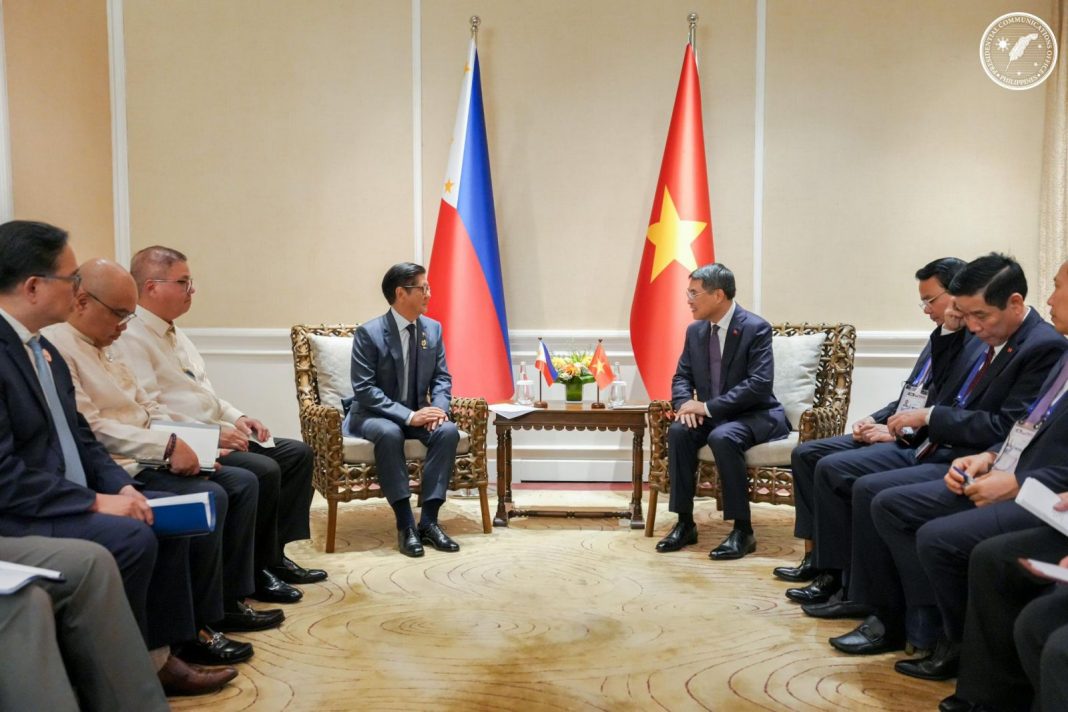
President Ferdinand R. Marcos Jr. met Thursday with newly appointed Vietnamese Prime Minister Lê Minh Hưng, marking the premier’s first ASEAN Summit. The leaders, joined by several ministers, also commemorated the 50th anniversary of bilateral relations, exploring ways to boost trade, tourism, agriculture, and broader economic cooperation.
Philippine Agriculture Secretary Francisco P. Tiu Laurel Jr. underscored the urgency of securing reliable rice supplies from Vietnam, the country’s primary grain supplier. Rising regional demand—exacerbated by the Middle East crisis—and potential production challenges from another El Niño event have made stable imports a priority, he said.
Vietnam, Tiu Laurel said, is looking to establish a long-term trade framework for rice and other agricultural commodities. “Even the Vietnamese prime minister has consistently highlighted during the bilateral meeting,” he added.
The two sides agreed on a one-year arrangement for 1.5 million metric tons of rice, ensuring uninterrupted deliveries through April 2027. “Securing import volumes until next April is crucial amid geopolitical uncertainties and climate risks,” Tiu Laurel said, stressing the importance of predictable supply to stabilize price.
Rice is the country’s national staple, and weighs heavily in the basket of consumer goods that determine inflation, which surged to a three-year high 7.2 percent in April.
The DA chief said pricing and trade logistics were also finalized, with both parties agreeing on USD450 per metric ton for the popular DT8 rice. While the negotiations focused on rice, the deal could serve as a blueprint for broader agricultural cooperation, he added.
The agreement aligns with President Marcos Jr.’s vision of strengthening intra-ASEAN trade. “This deal builds on our push for ASEAN countries to trade more closely—it’s another step toward regional integration,” Tiu Laurel said.
Beyond securing rice for domestic consumption, the pact signals a deeper commitment to regional collaboration. By forging long-term ties with major producers like Vietnam, the Philippines aims to reduce market volatility and stabilize local rice prices.
Tiu Laurel also emphasized that Manila continues to maintain alternative supply sources, ensuring resilience against fluctuating regional markets.
As ASEAN nations advance economic and trade integration, the Philippines-Vietnam rice deal demonstrates how targeted bilateral diplomacy can bolster food security, stabilize prices, and foster long-term trust—potentially reshaping agricultural trade in Southeast Asia.