


The Department of Agriculture said on Wednesday that July inflation figures show government supply interventions are helping keep food prices broadly stable, but warned that potential impact of a strong El Niño later this year, and volatile global oil prices threaten that progress by driving up transport, logistics, and farm production costs.
“We’re seeing signs that our supply interventions are working, but we can’t take our foot off the pedal,” Agriculture Secretary Francisco P. Tiu Laurel Jr. said. “Our job is to keep food flowing, help farmers and fisherfolk absorb higher production costs, and make sure affordable rice reaches consumers.”
“If we keep food supplies stable despite volatile fuel prices and the expected impact of El Niño on production, inflation will ease,” the DA chief added.
The DA has expanded financial assistance, input subsidies, and other support for farmers and fisherfolk while continuing to study a retail price cap on rice should market conditions warrant to cushion producers from rising costs.
The agency said these measures are aimed at preventing higher fuel costs from feeding through to grocery shelves.
Headline inflation eased to 6.2 percent in July from 6.4 percent in June, within the Bangko Sentral ng Pilipinas’ forecast range of 5.6 percent to 6.6 percent. Core inflation, which excludes selected food and energy items, also slowed to 4.2 percent from 4.4 percent, suggesting underlying price pressures continue to moderate.
Inflation for the bottom 30 percent of households, however, edged up to 8.2 percent from 8.0 percent, underscoring how poorer families remain disproportionately affected by higher food, electricity and fuel costs.
Food inflation held steady at 5.3 percent in July, offering little relief at the grocery despite the slower pace of overall inflation. Ironically, the DA’s success in driving down rice prices last year has made this year’s inflation readings appear relatively elevated because they are being measured against a much lower base.
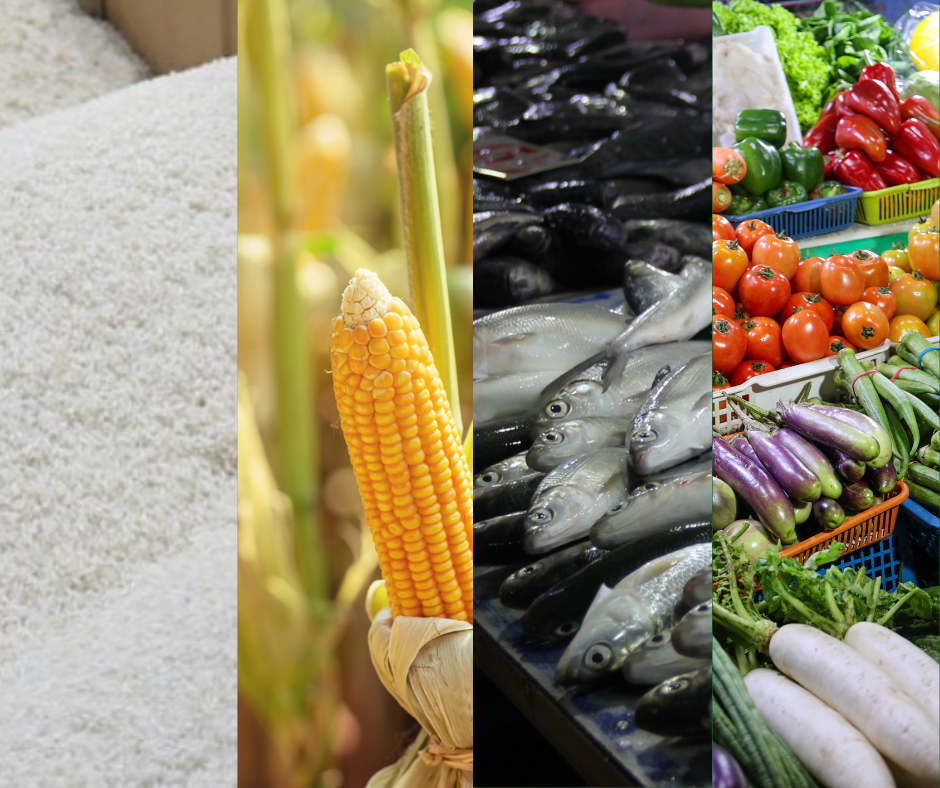
Month-on-month, however, food prices barely moved. Rice prices slipped 0.4 percent from June, while meat prices fell 0.6 percent, offsetting increases in vegetables, which jumped 2.4 percent, and corn, up 1.9 percent, apparently due to bad weather and higher transport costs. Prices of fish, dairy products, cooking oil and fruits were largely unchanged.
Food remained one of the biggest contributors to inflation, accounting for nearly one-third of July’s overall increase in consumer prices. Cereals, particularly rice and other grain products, generated nearly three-fourths of food inflation, followed by fish and seafood, and vegetables.
For the DA, the latest figures suggest its interventions are beginning to anchor staple food prices. The bigger challenge now is preventing volatile oil markets, amplified by uncertainty in the Middle East, from reversing those gains before they reach Filipino dining tables.

