


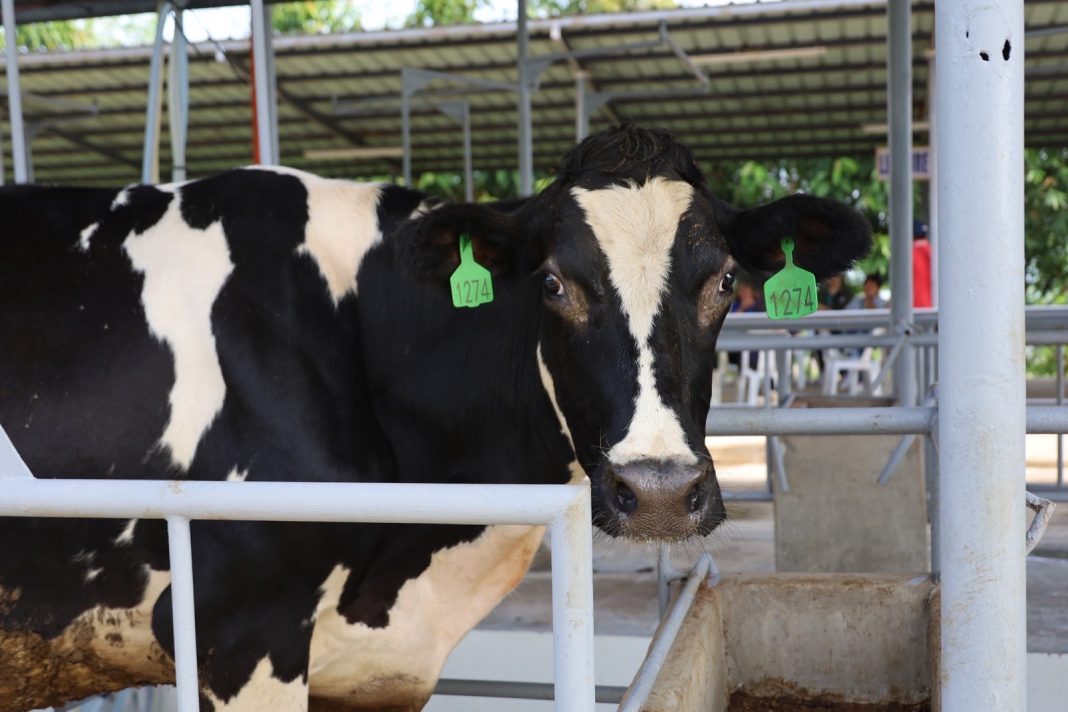
Milk production in the Philippines is on the rise, reaching 43.30 million liters in 2025 from 38.60 million liters in 2024 and 29.10 million liters in 2023 without any animal dairy importation to augment local production in the past three years, the National Dairy Authority (NDA) said citing data from the Philippine Statistics Office.
The value of dairy produced also increased from PHP1.305 billion in 2024 to PHP1.667 billion in 2025.
“These gains were achieved without dairy animal importation for the past 3 years, highlighting improvements in productivity and herd performance at the farm level,” said Atty. Marcus Antonius T. Andaya, Administrator of the NDA.
“The substantial growth in milk production reflects the effectiveness of our dairy development programs, particularly in animal nutrition, herd expansion, and farm management.”
Milk output from carabao increased by 24 percent, reflecting the continued contributions of the Philippine Carabao Center, including private carabao farms and non-cooperative member farmers.
Milk production from cattle and goats grew by 4 and 27 percent, respectively, supported by programs under the NDA’s oversight. Overall dairy animal inventory expanded by 5 percent, from 154,252 head to 161,868 head, further reinforcing production gains.
“The increase in milk production translated into higher milk sufficiency at 2.22 percent, bringing the country nearly halfway toward the government’s target of 5 percent milk sufficiency by 2028,” Andaya added.
The NDA said the dairy sector’s performance was further supported by the enactment of Republic Act No. 12308, or the Animal Industry Development and Competitiveness Act, which strengthens the institutional framework for livestock and dairy development by promoting competitiveness and streamlining animal health and breeding programs.
Optimistic outlook for 2026
The NDA remains optimistic about further increases in milk production in 2026, with four stock farms set to be operational this year in Ubay, Bohol; Malaybalay, Bukidnon; Carmen, Cotabato; and Prosperidad, Agusan del Sur. The first stock farm was inaugurated and made operational in General Tinio, Nueva Ecija in November last year.
“With the operation of our stock farms and the planned importation of 870 dairy cattle this year, we are confident that these initiatives will further contribute to increased milk production,” Andaya said.
Expanded regulatory functions
With the passage of Republic Act No. 12308, the NDA has assumed expanded regulatory functions over local dairy activities and products. Regulatory powers previously exercised by the Food and Drug Administration (FDA) for local dairy were transferred to the NDA to perform these functions.
Under this framework, the NDA is authorized to perform the issuance of Certificates of Product Registration (CPRs) for locally produced dairy products and Licenses to Operate (LTOs) for dairy processing plants. Both CPR and LTO functions are currently under a transition arrangement, with the NDA carrying out licensing and registration activities under the supervision and oversight of the Bureau of Animal Industry (BAI).
The FDA retains authority over imported dairy products and activities with non-local scope, except where functions are expressly transferred or harmonized under the law.
“Strengthening the role of the NDA allows us to better oversee locally produced milk, from the farm to the consumer,” Andaya said.
The NDA will continue to strengthen local milk production through sustained support for farmers, herd development, and productivity-improving programs to ensure the long-term growth of the domestic dairy industry.

