


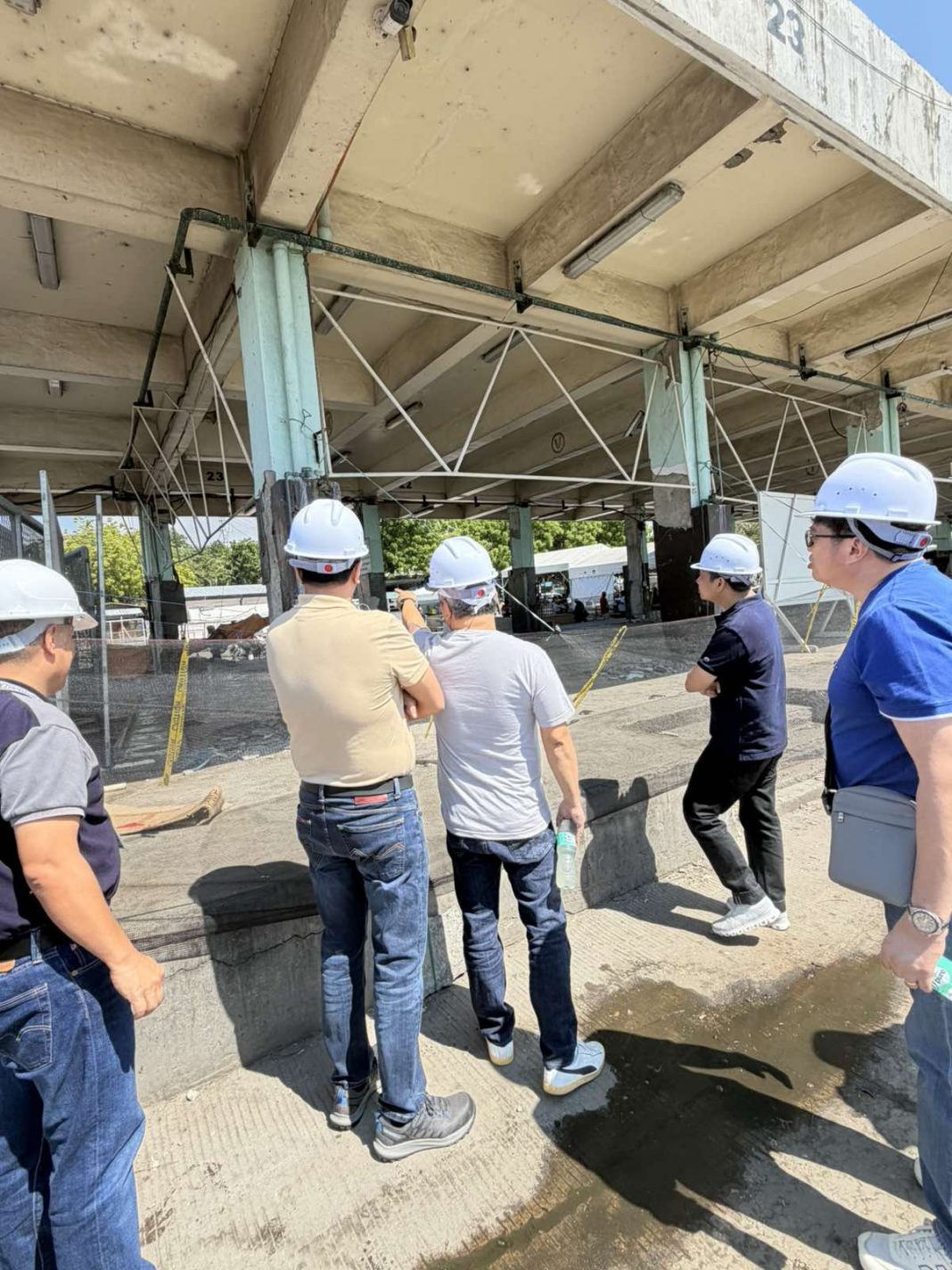
Agriculture Secretary Francisco P. Tiu Laurel Jr. has ordered a more comprehensive structural assessment of the PFDA-General Santos Fish Port Complex following a powerful earthquake that forced the temporary closure of several sections of one of the country’s most critical fisheries facilities.
The directive follows an initial post-earthquake assessment conducted on June 8 and 9, which identified conditions warranting the temporary closure of Market Halls 1, 2, and 3 and the limited use of Market Hall 4 pending further evaluation. To provide a more complete understanding of the facility’s condition, the assessment will be supplemented by a geotechnical investigation and additional inspections in light of subsequent aftershocks.
In a report submitted to the Board of the Philippine Fisheries Development Authority (PFDA) on June 18, PFDA Acting General Manager Glen A. Pangapalan said preliminary findings suggest the port remains structurally sound. He added that a more detailed assessment would further validate the facility’s condition and guide any necessary interventions.
While encouraged by the initial findings, Secretary Tiu Laurel emphasized the importance of completing the comprehensive assessment as quickly as possible. “Although the wharf generally appeared structurally sound, we should expedite further inspection of subsurface conditions. We cannot risk the lives of our people who rely on this fish port for their livelihood,” he said.
Pangapalan reported that no casualties or injuries were recorded among employees, traders, and other stakeholders despite the strong tremor.
Fish port operations have largely continued through contingency measures, helping maintain the flow of fish products and export activities while safety assessments are underway.
The stakes are particularly high for General Santos City, widely regarded as the country’s tuna capital. The fish port complex serves as a vital gateway for the tuna industry and supports an extensive supply chain that stretches across Mindanao and international export markets.
The incident also highlights a broader challenge facing the Philippines. As climate-related disasters and seismic events become recurring risks, the resilience of food logistics infrastructure is emerging as an increasingly important economic issue.
Ports, cold storage facilities, and trading centers are no longer just operational assets. They are critical links in ensuring food security, export competitiveness, and the livelihoods of more than 200,000 Filipinos who depend directly and indirectly on the General Santos fishery sector.

