



The Intellectual Property Office of the Philippines (IPOPHL), the Ministry of Culture, Sports and Tourism (MCST) and the Korea Copyright Protection Agency (KCOPA) from the Republic of Korea recently exchanged insights on navigating the challenges of managing music rights in the digital era at the 2026 Philippines-Korea Copyright Forum, highlighting the role of collective management organizations (CMOs) in protecting rightsholders’ commercial interests as AI-generated music increasingly floods streaming platforms. The joint forum was followed by an intergovernmental meeting in the afternoon.
In particular, the need to bolster rights information management through effective data stewardship and integration emerged as a key response not only to AI but also to the broader need to provide fair remuneration to songwriters, performers, broadcasters and other rightsholders.
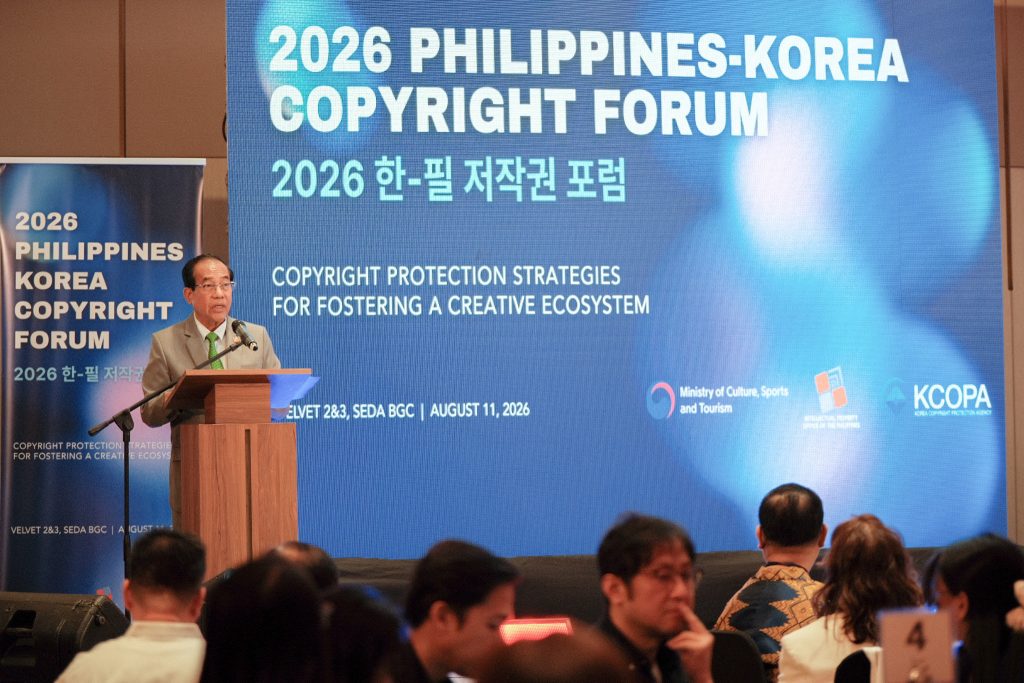 “In an era where an AI-generated song can reach millions of listeners and digital platforms can make available both human and AI-assisted creations, digital rights management is no longer just an administrative necessity, but the foundation for trust, accountability, and innovation,” said IPOPHL Director General Teodoro C. Pascua.
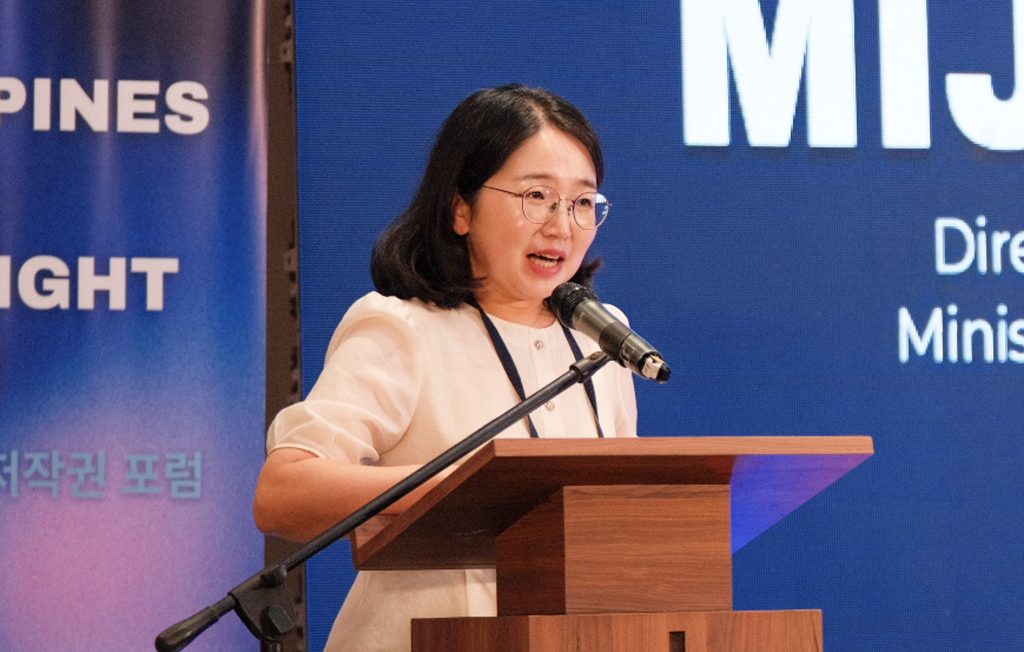
Mijung Ahn, Director of the Copyright Industry Division at South Korea’s Ministry of Culture, Sports and Tourism (MCST), echoed DG Pascua’s view, stating that the direction of copyright protection in the digital environment, as well as the development of music rights management in the era of AI, are among the key challenges facing the copyright system today.
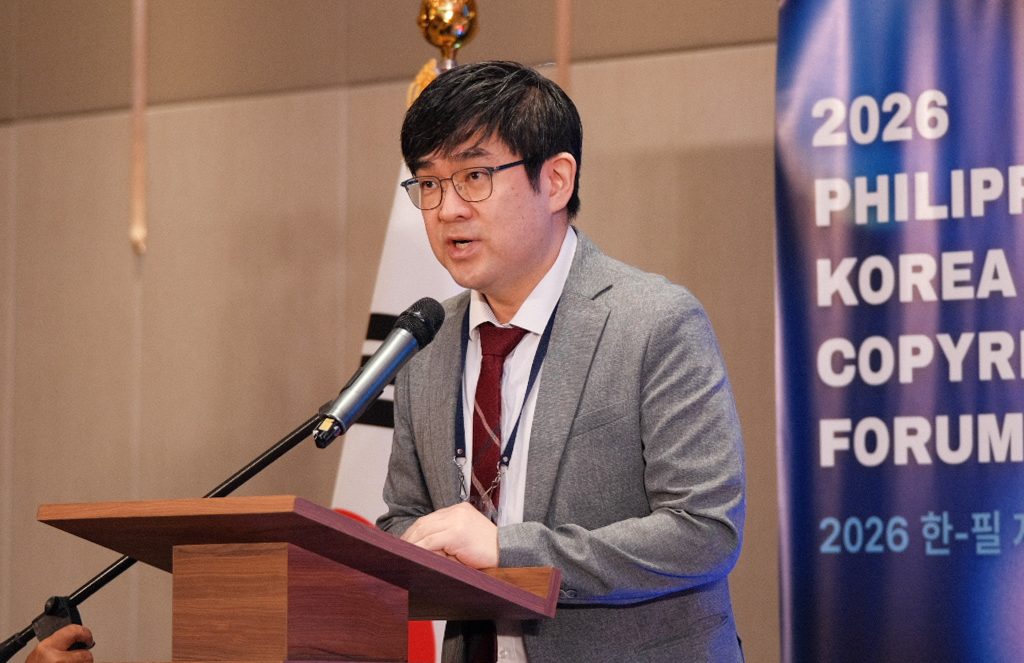 Responding to the need to preserve a healthy creative ecosystem and develop the cultural industry amid the spread of digital transformation and AI, this year’s forum took up the theme “Copyright Protection Strategies for Fostering a Creative Ecosystem,” as the “search for copyright protection strategies aligned with these environmental changes has emerged as a task of the times,” said KCOPA Copyright Integration Division Director General Sunghwan Lee.
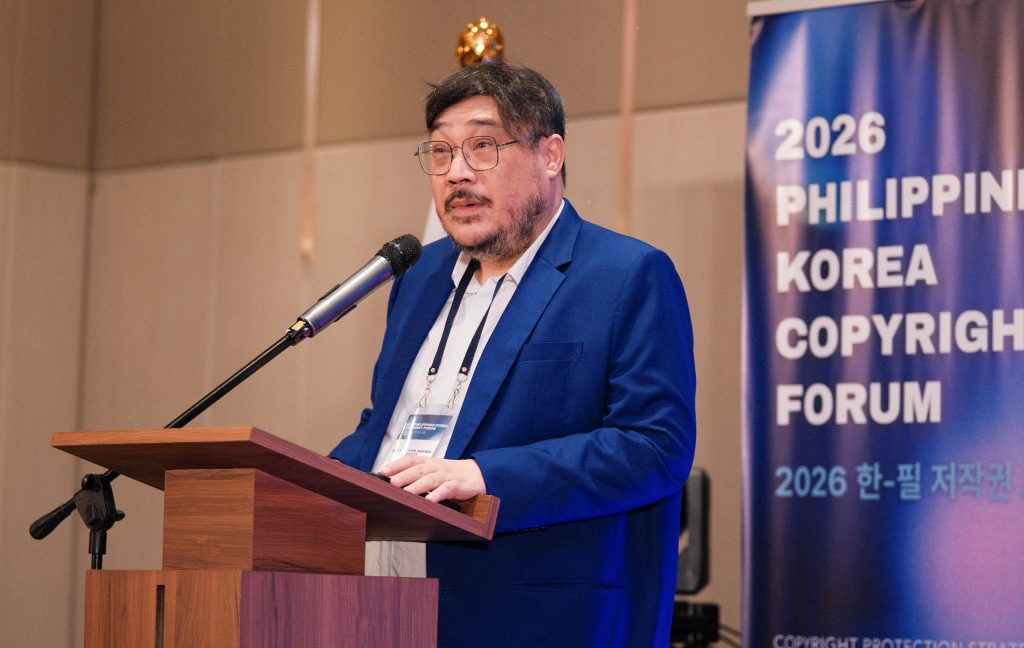
The forum opened with its first session, led by Atty. Oliver Xavier Reyes, Special Counsel at Disini Buted Disini Law Offices, who discussed key rules governing fair use, data scraping and human authorship under Philippine copyright law, as well as addressed the enforcement of online copyright laws, ranging from the takedown of infringing content to the protection of internet platforms.
The discussion then turned to Korea’s own digital enforcement landscape. As Korea’s digital content industry grows globally, so does the scale of copyright infringement against Korean content abroad, prompting KCOPA to strengthen its administrative enforcement system, most notably through a newly introduced site-blocking regime.

At the center of this discussion, delivered by Atty. Yoon Sub Bang, Expert Member and Attorney at Law in KCOPA’s Deliberation Department, was the emergency blocking order introduced under Korea’s revised 2026 Copyright Act. Unlike standard procedures, this measure allows the MCST to order access to an infringing site to be blocked ahead of committee deliberation, provided that the infringement is clear, immediate action is necessary to prevent irreparable harm and no other effective measure is available. Committee deliberation then follows within five days. The tool has proven especially effective against overseas piracy sites that frequently alter their format to evade detection.
To contextualize the new challenges facing music CMOs in the second session, French music streaming platform Deezer reported that AI-generated tracks now represent 44% of daily uploads to its database, turning it from a marginal phenomenon into a major commercial vulnerability for music rightsholders.
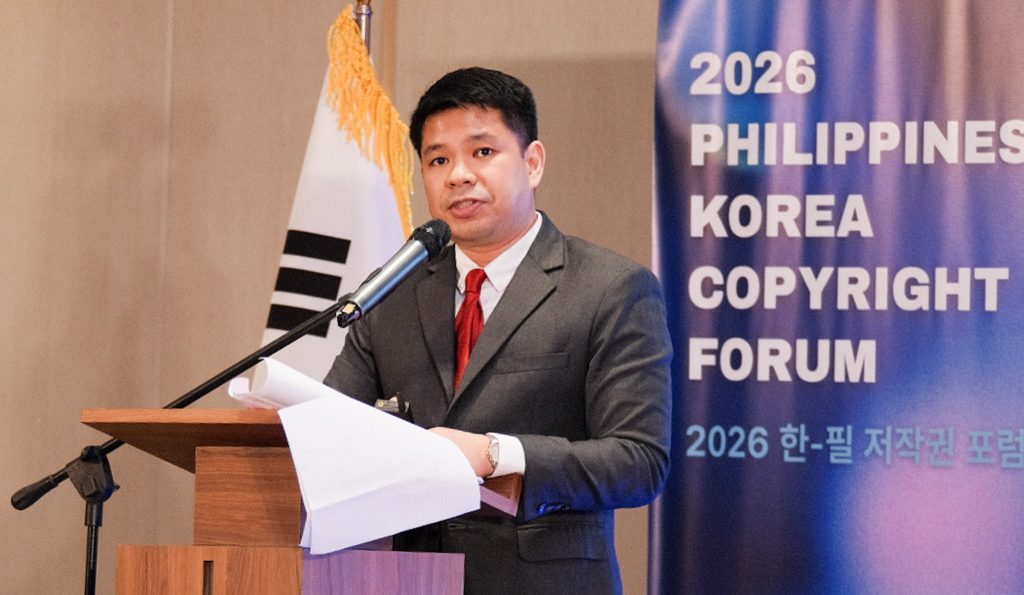
According to Ace Acosta, General Manager of Philippines Recorded Music Rights Inc. (PRM), most AI-generated music uploads are problematic due to royalty hijacking and fraud, which manipulate search algorithms and divert revenue pooling from human creators, and metadata instability, as the metadata accompanying mass-produced and mass-uploaded AI tracks is often of low quality and clashes with existing repertoire. They may also lead to licensing and claim discrepancies, as AI tracks can make it difficult to verify genuine performance rights claims from streaming activities.
As such, improving metadata governance and developing integrated systems for metadata management would go a long way toward enhancing the resilience of the digital music ecosystem, ensuring more accurate identification of works, more reliable rights management and fairer distribution of royalties to legitimate creators and rightsholders.
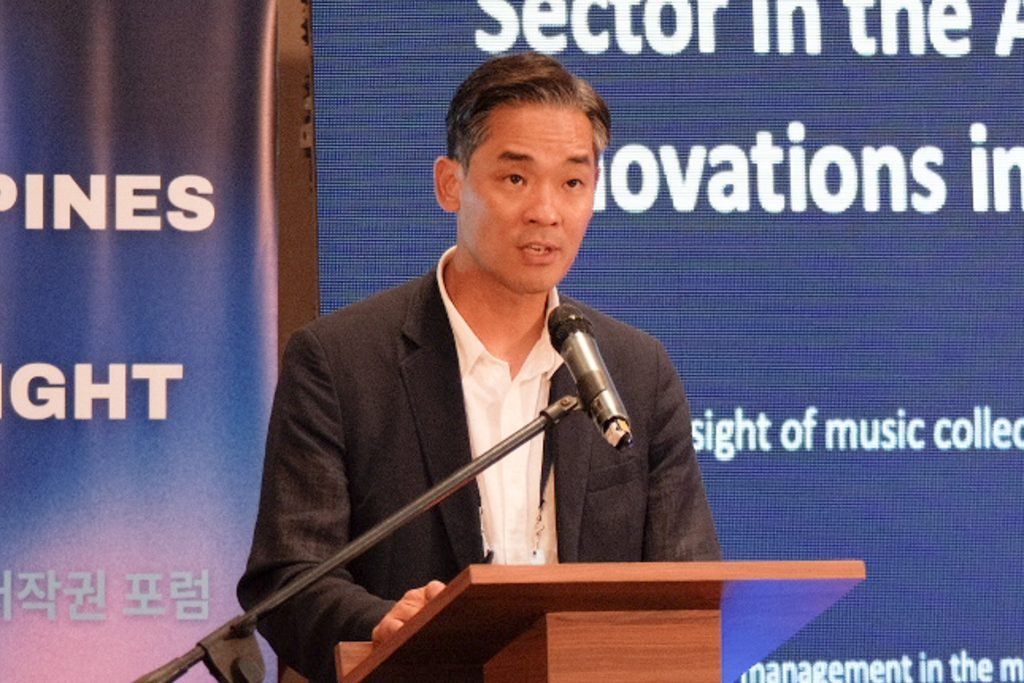
In this regard, Jeong Ho-Hyeon, Director of the Deliberation and Information Team at the Korea Copyright Commission (KCC), shared South Korea’s progress in building integrated information infrastructure for music rights. The country established a comprehensive music rights database by 2020 and subsequently strengthened its capacity for unified data collection, resulting in a system capable of capturing music usage data in a single integrated platform. This infrastructure provides the foundation for transparent remuneration and verifiable royalty distribution while enabling evidence-based policymaking for the music industry.
All in all, the forum underscored that effective rights information management will become increasingly important as the digital music ecosystem grows more complex. A key takeaway from the discussions was that while AI presents new challenges, the need for accurate, interoperable and accessible rights data is not new, and strengthening this infrastructure can help ensure that creators and other rightsholders are properly identified, their rights are effectively managed and they receive fair remuneration in an increasingly digital music economy.

