


The Philippine Chamber of Commerce and Industry (PCCI), through its Energy and Power Committee, is intensifying its engagement with key government agencies and industry stakeholders to shape a robust energy system.
Recent high-level dialogues with the Department of Energy (DOE) and the Energy Regulatory Commission (ERC) focused on resolving pressing business challenges, including high power costs, supply reliability, regulatory bottlenecks, and transmission constraints.
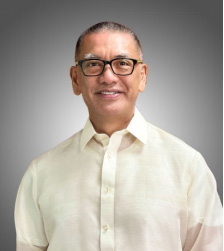
PCCI President Ferdinand “Perry” Ferrer underscored that competitive electricity pricing is critical for national competitiveness and investment growth. This is especially vital as key sectors—such as manufacturing, semiconductors, electric vehicles, and the digital economy—continue to expand nationwide.
-
Generation Capacity Expansion: The DOE reported that approximately 24,700 MW of additional committed generation capacity is expected between 2026 and 2033, with renewable energy projects making up the majority.
-
Grid Stability & Infrastructure: Both the DOE and ERC acknowledged the urgent need to expand transmission infrastructure alongside new generation. Participants specifically addressed supply adequacy concerns in the Visayas, calling for enhanced demand forecasting and stronger regional power planning.
-
Regulatory Reforms & Pricing: Discussions with the ERC centered on electricity pricing reforms, accelerating approval timelines, and improving transparency on system-loss charges, Wholesale Electricity Spot Market (WESM) costs, and pass-through charges.
-
Streamlining Permitting: Industry leaders stressed the need to eliminate regulatory “friction costs.” The DOE shared ongoing initiatives to better integrate permitting systems and strengthen coordination between national agencies and local government units (LGUs).
-
SME Opportunities: The energy transition—spanning renewable energy, battery storage, offshore wind, waste-to-energy, and natural gas—presents significant value-chain opportunities for Small and Medium Enterprises (SMEs) to participate as suppliers, service providers, and technology partners.
The ongoing dialogue series reinforces a shared commitment to expanding generation and transmission capacity, boosting energy security, and driving private-sector participation.
PCCI is actively consolidating recommendations from these sessions as part of its Energy Solutions initiative. These insights will directly feed into policy discussions leading up to the 52nd Philippine Business Conference and Expo, where energy security and power affordability will remain top priorities.

