


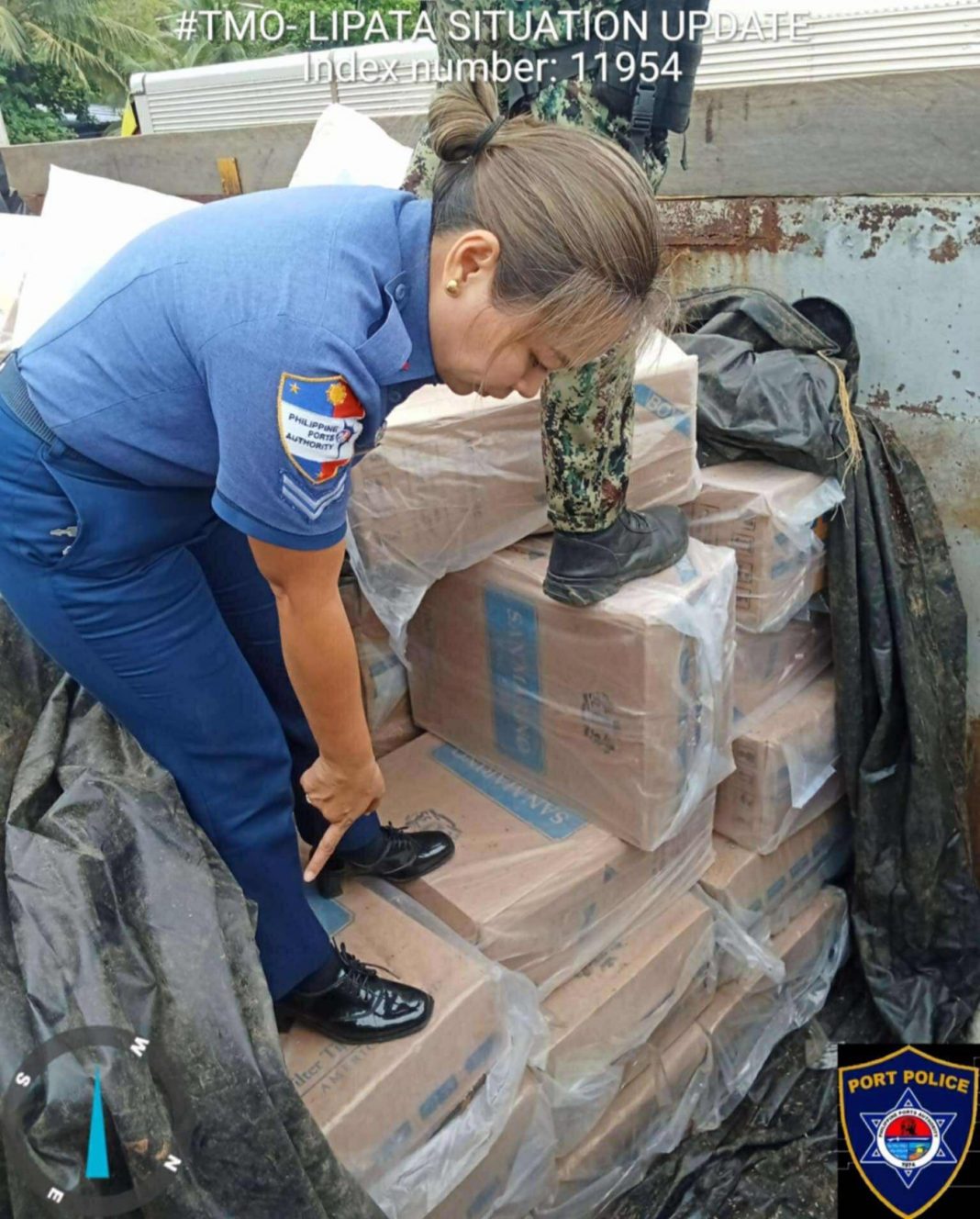
The National Tobacco Administration (NTA) has warned that the proliferation of the illicit cigarette trade in the Philippines is putting at risk the livelihoods of some 2.2 million farmers, contract workers, and their families.
“The illicit tobacco trade is a significant challenge, adversely impacting government revenues, public health, national security, and the livelihood of Filipino farmers,” said NTA Administrator and CEO Belinda S. Sanchez.
Smuggled and illegally manufactured cigarettes, sold at rock-bottom prices, are undercutting the demand for legally produced, tax-paid brands. The NTA estimates that over 430,000 farmers, farm workers, and their families are directly affected by the flood of untaxed products.
“The illicit trade in tobacco is a growing concern, undermining our efforts and threatening the livelihoods of countless individuals,” Sanchez added.
Sanchez also noted that a humble stick of yosi now funds more than just a vice—it fuels crime, drains public coffers, and endangers the livelihoods of over two million Filipinos who depend on the legitimate tobacco industry.
The impact ripples beyond the farmlands. Retailers, vendors, and sari-sari store owners who depend on legitimate cigarette sales are struggling to compete with black-market alternatives that can sell for as little as PHP2 per stick, compared to around PHP7 for legal brands, according to the Philippine Tobacco Institute (PTI). The group warned that many small businesses could soon be forced to “close shop.”
The Bureau of Internal Revenue (BIR) estimates that the government loses between PHP40 billion to PHP52 billion annually in uncollected excise taxes due to illicit tobacco. These losses severely undercut funding for the Universal Health Care (UHC) program, which depends on tobacco tax revenues to sustain hospital services, medicines, and PhilHealth coverage for low-income families.
“This is not just about unfair competition—it’s about depriving Filipinos of essential healthcare,” a BIR official said on condition of anonymity.
The Philippine Tobacco Growers Association (PTGA), headed by Saturnino Distor projected that local farmer could lose nearly PHP1 billion in income this year alone due to the declining demand for locally grown tobacco leaves. The group estimates a total loss of PHP978.44 million in 2025, equivalent to approximately PHP17,000 per farmer among its 59,000 members.
Authorities warn that the damage extends beyond the economy. The Department of Agriculture and NTA have called for tougher enforcement measures, noting that proceeds from illegal tobacco sales are often linked to organized criminal networks, which pose risks to national security.
Illicit cigarettes also endanger public health. Tests have shown that counterfeit and unregulated products may contain lead, insect parts, rat droppings, and synthetic drugs, according to previous government lab analyses.
With billions in tax revenue at stake and millions of livelihoods at risk, industry groups are urging the government to act decisively. They recommend tighter border controls, improved tracing mechanisms, and stronger coordination among law enforcement, customs, and local government units to dismantle smuggling networks.

