


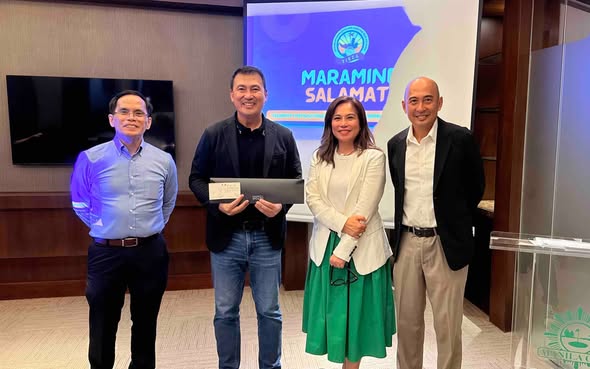
The Philippine Interisland Shipping Association (PISA) successfully held its general membership meeting at the Manila Golf and Country Club, bringing together key stakeholders from the domestic maritime industry to address critical regulatory, operational, and policy issues shaping interisland shipping and its role in national development.
The high-level meeting served as a crucial platform for a candid discussion on the immediate challenges facing domestic operators, focusing on areas such as regulatory compliance, maritime safety, digitalization, and the path toward decarbonization.
PISA members received important updates on ongoing engagements with the Maritime Industry Authority (MARINA). Key agenda items included:
Policy Developments Affecting Landing Craft Tanks (LCTs): Discussions covered MARINA advisories regarding LCTs carrying passengers, emphasizing the need for clarity and safety standards.
IMO-Aligned Safety and Environmental Measures: Updates were provided on the phased implementation of international safety and environmental requirements and their impact on local fleet operations.
Industry Policy Input: Members contributed their perspectives on significant drafts, including the Magna Carta of Filipino Seafarers and the rollout of online ticketing systems.
PISA leaders stressed the necessity of regulatory clarity, realistic transition periods, and operational flexibility to ensure safety compliance while maintaining the economic viability of domestic shipping routes—a lifeline for inter-island connectivity and regional economies.
A significant highlight was the presence of General Manager and Chief Operating Officer Mark Lapid of the Tourism Infrastructure and Enterprise Zone Authority (TIEZA) as a guest speaker.
Mr. Lapid presented an overview of TIEZA’s mandate and ongoing investments in strengthening tourism infrastructure across the country, from port access to the development of tourism enterprise zones. He underscored the fundamental interdependence of tourism growth and domestic shipping.
“Reliable, safe, and efficient inter-island transport is not just a convenience; it is essential to unlocking tourism growth beyond our major gateways,” stated Mr. Lapid.
He outlined clear opportunities for collaboration between TIEZA and PISA members to:
Improve port access to key tourism destinations.
Align vessel services with regional tourism development plans.
Explore joint initiatives that enhance passenger experience and support sustainable operations.
PISA members affirmed their role as natural partners in tourism dispersal, recognizing that domestic shipping enables travelers to reach the island and coastal destinations that form the backbone of Philippine tourism. The consensus was that strengthening coordination between shipping lines and tourism infrastructure planners will lead to more integrated routes, better facilities, and increased economic activity in the regions.
The General Membership Meeting concluded with a strong reaffirmation of PISA’s mission as a unified industry voice advocating for safe, efficient, and sustainable domestic shipping. As regulatory reforms and environmental targets continue to evolve, PISA leaders emphasized the need for sustained dialogue with government agencies, particularly MARINA and TIEZA, to effectively balance compliance, competitiveness, and national development goals.
The central takeaway was clear: the future of Philippine domestic shipping is secured by navigating complex regulatory waters while simultaneously forging strong, collaborative partnerships that connect the nation’s islands, industries, and economic opportunities.

