


To protect seafarers from rising maritime risks, the Philippines has proposed a dedicated mobile app that provides crew members with a direct digital lifeline for emergency assistance, real-time security alerts, and government support while navigating high-risk waters.
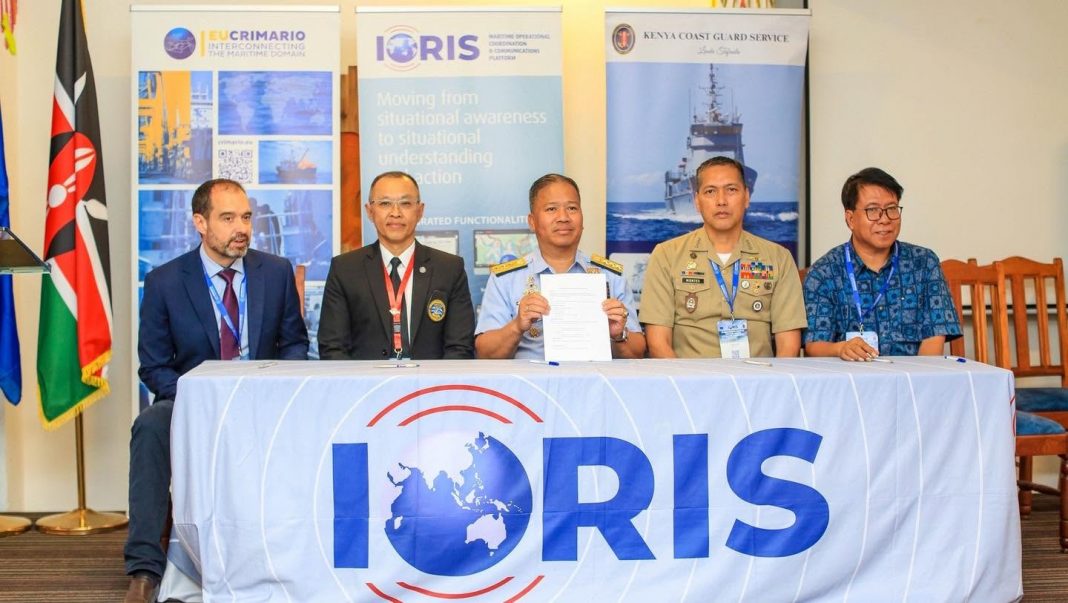
The initiative was officially presented by the Maritime Industry Authority (MARINA) at the 4th Steering Committee Meeting of the Indo-Pacific Regional Information Sharing (IORIS) Platform, held in Mombasa from June 9–11, 2026. Supported by the EU CRIMARIO (Critical Maritime Routes Indo-Pacific) project, the proposal addresses a critical vulnerability: while seafarers bear the brunt of geopolitical tensions, piracy, and armed conflicts at sea, they are frequently cut off from timely information and direct rescue channels.
“The proposed platform will serve as a direct communication channel between seafarers and government authorities,” explained Luisito U. delos Santos, Director of the MARINA Enforcement Service (ES). “This will enable seafarers to receive critical advisories and instantly report emergencies the moment they unfold at sea.”
The proposal comes at a volatile time for global shipping corridors. The Philippine delegation specifically highlighted recent hostile incidents in the Red Sea and other high-risk zones, pointing out that frontline mariners often lack the specialized, real-time communication tools needed during sudden maritime disruptions.
Once developed, the mobile application will equip seafarers with:
-
Instant Emergency Reporting: A direct distress channel to relevant government agencies when immediate intervention or rescue is required.
-
Real-Time Security Notifications: On-the-fly alerts regarding localized threats, armed conflicts, or active piracy.
-
Navigational Advisories: Up-to-the-minute safety and routing information.
-
Welfare Support: Dedicated access to government resources and mental/physical welfare information.
This security application marks the next phase in the Philippines’ broader strategy to modernize its maritime sector. MARINA is already actively rolling out secure, paperless electronic certificates (e-certificates) through its MARINA Integrated Seafarers Management Online (MISMO) system, ensuring official credentials meet strict international standards.
The Philippines’ domestic push aligns with a rapidly digitizing global fleet. Organizations like the International Chamber of Shipping (ICS) and Lloyd’s Register OneOcean have rolled out ISF Verify—a cloud-based ecosystem that allows port states and shipping firms to securely verify seafarer credentials across borders. Philippine officials note that integrating emergency response technology alongside these robust verification systems will create a safer, more resilient digital landscape for the hundreds of thousands of Filipino seafarers keeping the global supply chain moving.

