


The government is strengthening its science-based approach to fisheries management by deploying a new generation of technical enumerators to help protect and restore Laguna de Bay, a critical food source for Metro Manila and surrounding provinces.
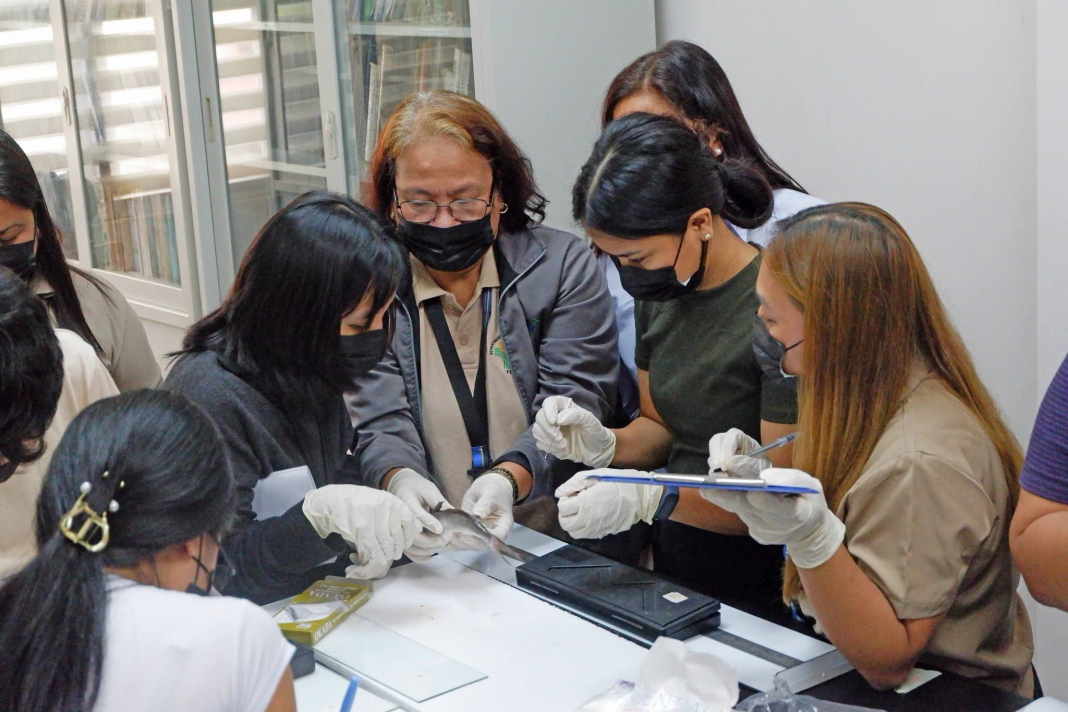
The Department of Agriculture’s National Fisheries Research and Development Institute (DA-NFRDI), through its Freshwater Fisheries Research and Development Center, recently completed a five-day inland fisheries stock assessment training under the “Fishery Resources Assessment in Laguna de Bay” a project funded by the Laguna Lake Development Authority (LLDA).
The initiative comes as policymakers intensify efforts to improve fisheries governance through reliable scientific data, recognizing that effective management begins with understanding the condition of fish stocks and the pressures they face.
Thirty-five participants joined the hybrid training, including 10 newly hired technical data enumerators who will be deployed to fish landing sites across Muntinlupa City and the provinces of Laguna and Rizal. Personnel from the Bureau of Fisheries and Aquatic Resources (BFAR) also participated to strengthen technical capacity across government agencies.
The program combined classroom instruction with field exercises covering fisheries stock assessment, fish species identification, biological sampling, catch monitoring, fishing gear identification, and standardized survey protocols. Participants later conducted actual fish landing surveys in Taal Lake, documenting catches and collecting biological data using uniform scientific methods.
DA-NFRDI Executive Director Dr. Ma. Theresa Mutia said the success of science-based fisheries management depends on people working directly in the field.
“Our enumerators are the eyes and ears of fisheries science. They are the boots on the ground whose work transforms every fish landing and every field survey into the evidence we need to make better decisions for Laguna de Bay,” Mutia said.
BFAR Undersecretary for Fisheries Drusila Esther Bayate said building a strong corps of trained enumerators is essential to ensuring fisheries policies are grounded in credible scientific evidence.
“Reliable fisheries data is the backbone of sustainable resource management. Every accurate record gathered in the field helps us make better decisions to protect our fisheries, improve productivity, and secure the livelihoods of our fishing communities,” Bayate said.
Agriculture Secretary Francisco P. Tiu Laurel Jr. said protecting Laguna de Bay is critical to the country’s food security, particularly for Metro Manila, which relies heavily on the lake’s freshwater fish supply.
“Laguna de Bay remains one of the country’s most important inland fisheries, supplying fresh fish to Metro Manila and nearby provinces. Keeping the lake productive through science-based management is essential to ensuring a stable food supply while preserving the livelihoods of thousands of fisherfolk,” Tiu Laurel said.
The stock assessment is expected to generate the scientific evidence needed to guide conservation measures, rebuild fish stocks, and ensure the country’s largest freshwater lake remains productive for generations to come.

