


The Bureau of Plant Industry (BPI) has quietly emerged as one of the Department of Agriculture’s biggest modernization success stories, using science, digital technology, and stronger food safety systems to protect consumers, open new export markets, and strengthen the country’s food security.
From June 2022 to June 2026, the bureau shifted its focus beyond traditional regulation, investing in laboratories, digital monitoring systems and quality assurance tools that help farmers produce safer crops while making Philippine agricultural products more competitive abroad.
“Our goal is to build a Bureau of Plant Industry that is proactive, science-driven and responsive to the needs of farmers, consumers and exporters,” BPI Director Glenn Panganiban said.
“Every laboratory we build, every digital platform we develop and every market we open strengthens confidence in Philippine agriculture and creates more opportunities for our producers,” he added.
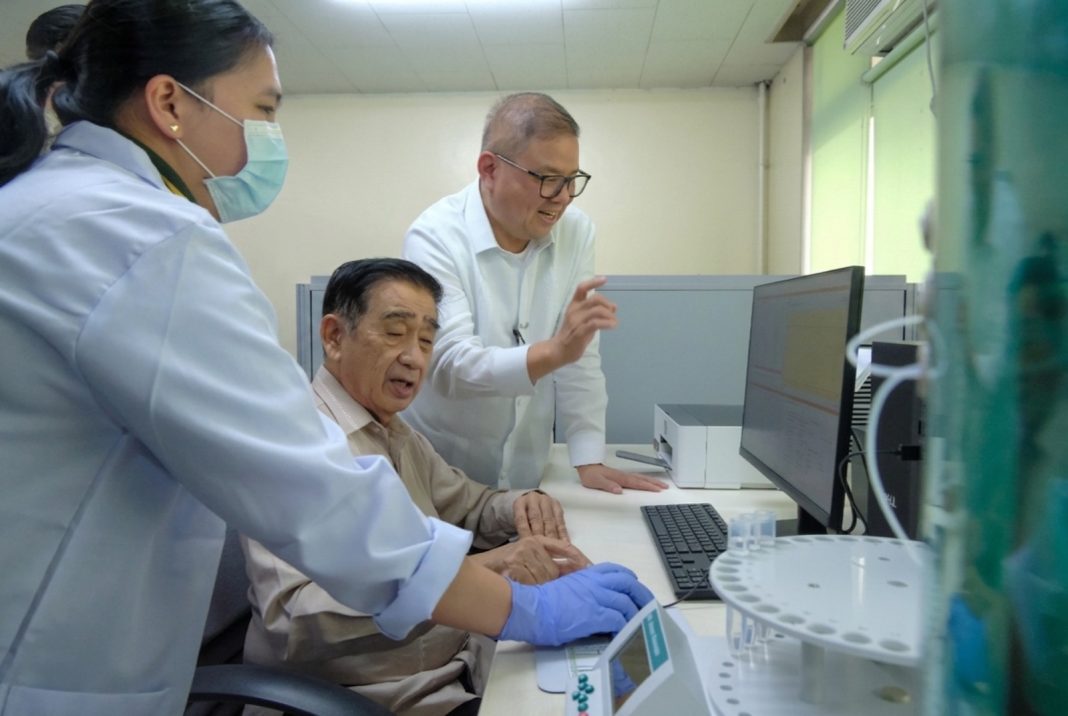
Among its biggest accomplishments was establishing a P55-million Nitrates and Nitrites Analysis Laboratory, giving the government greater capacity to detect chemical residues in plant-based food and ensure compliance with both local and international food safety standards.
“This will laboratory will greatly help our push to increase the export of fruits and vegetables such as okra, mango, and banana, generating more income for farmers and improving lives in the country side,” Agriculture Secretary Francisco P. Laurel said.
The bureau also brought laboratory services closer to farming communities through its Mobile Food Safety Laboratory, which analyzed 604 agricultural samples from 16 provinces and cities.
Instead of waiting for produce to reach central laboratories, inspectors can now test crops directly in public markets, Kadiwa ng Pangulo outlets, farms and rice mills for pesticide residues, heavy metals and other contaminants.
BPI expanded its reach by opening satellite offices in Cebu and Cagayan de Oro while accelerating digital transformation through the One Stop Industry Revitalization and Information System, or OSiRiS, which now tracks more than 1,100 food business operators. At the same time, digital pest surveillance platforms allow authorities to identify and respond to crop threats more quickly.
The bureau also deployed a Rice Quality Analyzer that evaluated hundreds of rice samples, helping verify product labels, detect adulteration and support the government’s P20 rice initiative.
Beyond regulation, BPI helped secure new export opportunities for fresh young coconuts to Jordan and frozen calamansi to South Korea, broadening overseas markets for Philippine farm products.
Tiu Laurel Jr. said BPI’s transformation demonstrates how science and technology are becoming powerful tools for agricultural development.
“Food security begins with safe food, healthy crops and confident consumers. BPI’s work protects public health, strengthens our farmers’ competitiveness and opens new trade opportunities that generate higher incomes while reinforcing the Philippines’ reputation as a reliable supplier of quality agricultural products,” he said.
Complementing these gains are upgraded seed storage facilities and solar-powered government operations, showing that the bureau’s modernization drive extends beyond laboratories to building a smarter, greener and more resilient agricultural system for the years ahead.

