


The Philippines has crossed the World Bank’s income threshold to become an upper-middle-income country (UMIC) after nearly four decades as a lower-middle-income economy. The gross national income (GNI) per capita has reached US$4,850, above the US$4,636 cutoff for upper-middle-income economies.
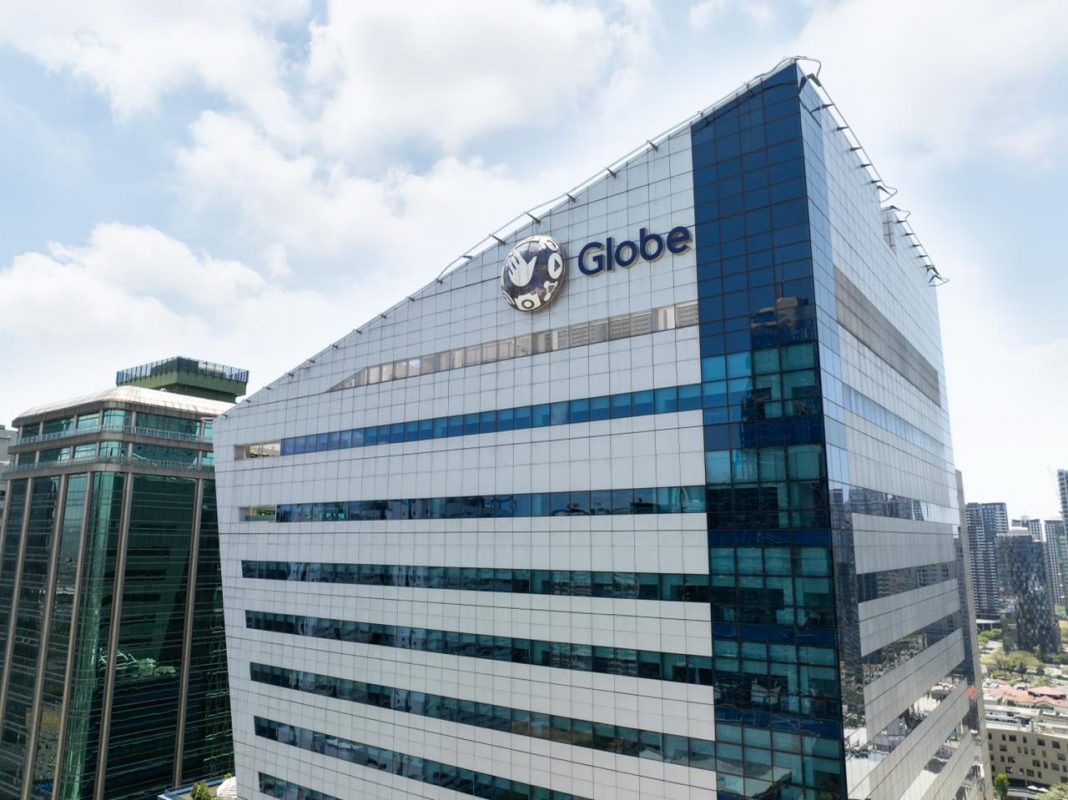
This milestone provides the backdrop for Globe’s digital-first stance to lead the country’s digital transformation. As incomes rise, both consumers and businesses become more digitally sophisticated. Sustained economic progress will increasingly depend on how businesses use technology to enhance business and customer value.
During the first half of 2026, the company invested Php 26.3 billion in capital expenditures, up 39% year-on-year, with 91% allocated to data-related initiatives. Globe deployed 878 new 5G sites and 80,052 fiber-to-the-home lines during the period. The investments will further strengthen the country’s critical digital infrastructure.
“Upper-middle-income status creates a progressive environment for growth as purchasing power rises. However, the classification itself will not automatically translate into higher ARPU (average revenue per user),” said Darius Delgado, Globe Chief Commercial Officer during the company’s recent financial briefing. “Our focus is on moving customers toward higher-value digital behaviors by giving them better experiences and services that are relevant to their needs.”
Greater digital participation
Despite a challenging macroeconomic environment, the company’s consolidated gross service revenues reached an all-time high of Php 85.4 billion in the first half, up 6% year-on-year.
Globe is driving greater customer value through increased 5G adoption and segment-led services, including offers for younger digital consumers and enhanced experiences for postpaid customers. In broadband, its 1.1 million GFiber Prepaid customers are also showing increasing adoption of higher-speed services, with customers who experience 100 Mbps speeds upon acquisition tending to remain on the higher tier.
Globe is also targeting mobile-only households in fiber-serviceable areas, where customers taking multiple Globe services can generate significantly greater value than single-product customers. The same demand-led approach guides Globe’s infrastructure strategy.
“Globe is already investing aggressively within a disciplined capital framework in the capabilities an increasingly digital economy requires,” said Carlo Puno, Globe Chief Finance Officer. “Our investment decisions remain value-led and driven by strategic priorities already in motion, rather than by the UMIC classification alone.”
Beyond 5G and fiber, Globe is supporting the infrastructure required for cloud and AI-era workloads. STT GDC Philippines is on track to exceed 30 megawatts of operational capacity by year-end, strengthening the country’s readiness for hyperscalers, cloud and enterprise AI demand.

