


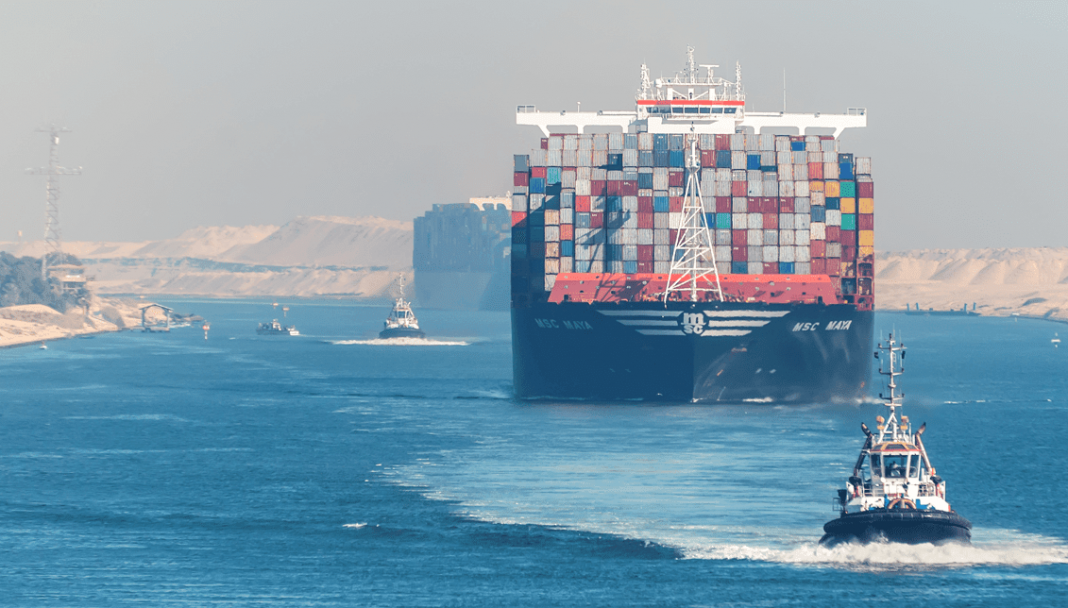
The United Nations Trade and Development (UNCTAD) issued its second rapid assessment, warning that the virtual closure of the Strait of Hormuz is sending shockwaves through the global economy.
What began as a localized disruption in a critical energy corridor has escalated into a systemic threat to global trade, energy security, and financial stability.
Following an initial assessment on 10 March, this updated report confirms a “rapid worsening” of global conditions since late February. The findings highlight a near-total halt in activity within the Strait, a central artery for the world’s energy trade.
According to UNCTAD data, ship transits through the Strait have plummeted from approximately 130 per day in February to just six in March—a staggering 95% collapse. This disruption is directly impacting a massive share of global oil and gas supplies, with immediate consequences for production and consumption worldwide.
“Energy shocks have become the primary channel through which this conflict is destabilizing the global economy,” the report states. While oil and liquefied natural gas (LNG) carriers have been hit hardest by reduced volumes and surging insurance costs, the ripple effects are now spreading to maritime routes, air cargo, and port logistics.
Fuel prices have remained at elevated levels since the escalation on 28 February. These spikes, combined with significantly higher transport costs, are feeding through global supply chains, raising the cost of producing and moving goods across all sectors.
UNCTAD warns that if energy infrastructure is damaged or disruptions persist, inflationary pressures will be prolonged. Regions most dependent on Middle Eastern energy imports—specifically South Asia and Europe—remain the most vulnerable to these sustained price hikes.
The assessment paints a sobering picture for the remainder of 2026. While global trade began the year on a strong footing, it is now expected to lose significant momentum:
- Merchandise Trade: Projected to decelerate from 4.7% in 2025 to between 1.5% and 2.5% in 2026.
- Global GDP Growth: Expected to slow from 2.9% in 2025 to 2.6% in 2026, assuming the conflict does not escalate further.
Beyond energy markets, the conflict is amplifying existing geopolitical risks and laying bare underlying economic fragilities, including rising inequality and high living costs. Shipping and insurance costs are rising in tandem with inflation, increasing the threat of financial instability, particularly for developing nations.
UNCTAD concludes that without a resolution, the disruptions to trade and financial markets could deepen, risking a broader, cascading global crisis.

