


STA. ROSA, Nueva Ecija— With a potentially severe El Niño on the horizon and farm input costs climbing amid global oil market disruptions, the Department of Agriculture (DA) is moving to reassure rice farmers that planting will remain a viable and profitable undertaking in the coming wet season.
Agriculture Secretary Francisco P. Tiu Laurel Jr. said President Ferdinand Marcos Jr. has directed the DA to ensure farmers earn enough from their harvests and are protected from losses despite rising fertilizer and fuel prices.
“The President’s directive is to make sure our farmers earn properly and do not lose money in the next harvest season despite higher fertilizer prices,” Tiu Laurel said during a visit to Nueva Ecija, the country’s leading rice-producing province.
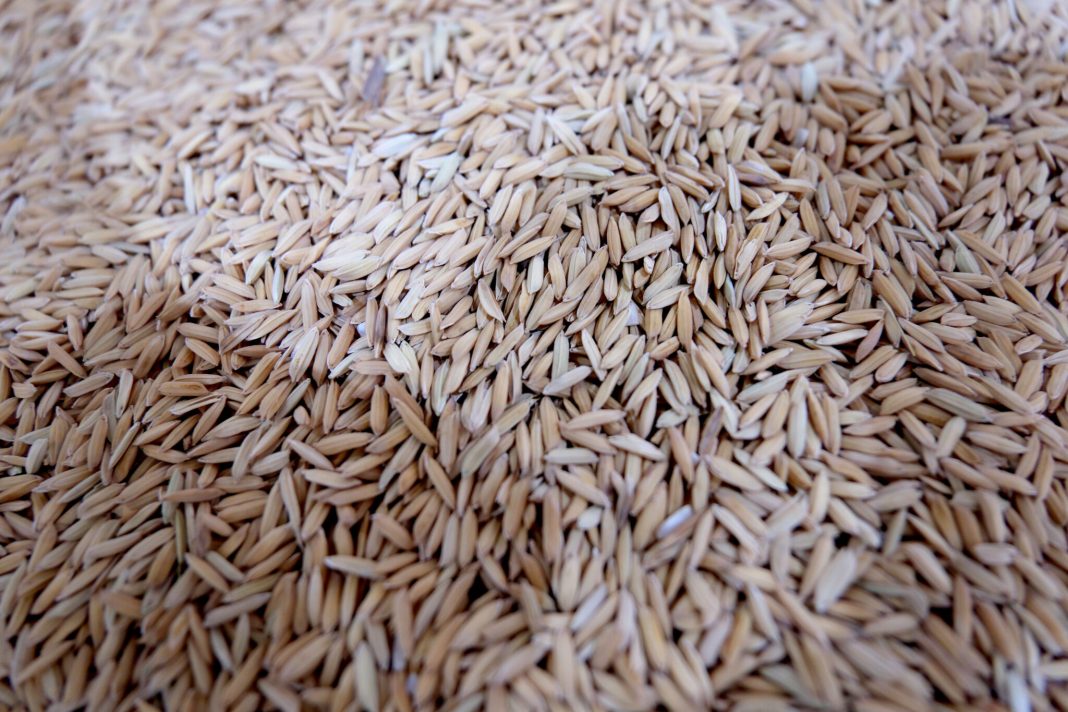
To help sustain farmers’ planting intentions, the National Food Authority (NFA) is preparing to announce its buying prices for palay even before harvest begins, a move designed to provide farmers with a clearer income outlook and establish a pricing benchmark for the market.
“Even before harvest starts nationwide, the NFA will already set a buying price of P22 per kilo for wet palay and P27 per kilo for dry palay,” Tiu Laurel said. “The goal is to set a benchmark for the industry and help ensure that farmers can earn a reasonable profit.”
NFA Administrator Larry Lacson said the grains agency intends to play a more active role in the coming harvest season.
“Unlike during the dry season when we came in later mainly to match prices already being offered by private traders, we will be more aggressive this coming season. We will be buying early and at higher prices,” Lacson said.
For the dry season harvest that is now winding down, the NFA purchased dry palay at prices ranging from P25 to P30 per kilo.
Lacson said the agency is also milling a significant portion of its buffer stocks to free up warehouse space for incoming harvests while supporting the government’s expanded Benteng Bigas, Meron Na! program.
The DA is likewise preparing NFA warehouses ahead of the September harvest season by reducing existing inventories and moving stocks to create additional storage capacity.
“We are clearing warehouse space so the NFA will be ready to accept more palay from farmers once harvest season begins,” Tiu Laurel said.
He also assured farmers that the government would continue supporting them as they navigate climate risks, rising production costs, and market uncertainties in the months ahead.

