


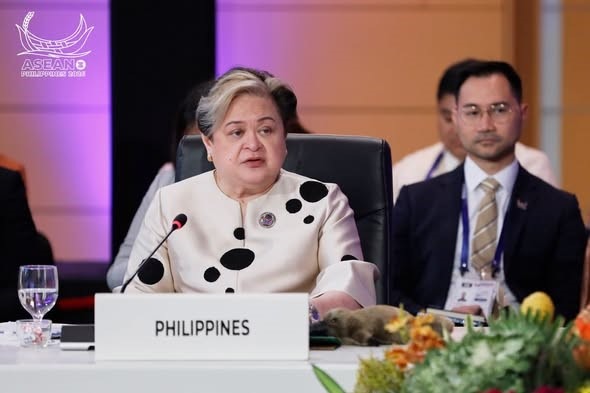
The Philippines and New Zealand have agreed to a new bilateral framework aimed at significantly expanding strategic, economic, and cultural cooperation between the two nations across high-level engagement, defense, trade, and people-to-people ties.
The newly established roadmap sets a high-level vision to elevate diplomatic and economic relations, anchored by a shared goal to increase two-way trade by 50 percent by 2030.
Key highlights of the roadmap:
-
Elevated Diplomatic & High-Level Engagement: The two nations are committed to maintaining consistent leadership-level dialogues, including elevating biennial Foreign Ministry Consultations to the Vice-Ministerial level following the inaugural meeting in Manila. High-level meetings will also be prioritized alongside international summits, accompanied by stronger inter-parliamentary exchanges.
-
Defense, Security & Maritime Cooperation: To address regional security and defense priorities, the partners are operationalizing the Mutual Logistics Supporting Arrangement (MLSA) and finalizing domestic procedures for the Status of Visiting Forces Agreement (SOVFA). Further commitments include holding regular Bilateral Defense Talks, advancing the newly launched Maritime Dialogue, and finalizing an information-sharing arrangement to combat human trafficking by 2026.
-
Trade, Agriculture & Climate Action: Beyond target trade growth, both countries will establish a Joint Economic Commission to streamline investment and commercial opportunities. Agriculture and trade flows will be boosted through specific agreements—facilitating New Zealand onion exports to the Philippines and fresh produce exports from the Philippines to New Zealand. Additionally, a climate cooperation framework will be finalized before September 2026, focusing on carbon market mechanisms under Article 6 of the Paris Agreement, sustainable forestry, and green technology exchange.
-
People-to-People & Cultural Ties: Reflecting the vital contributions of the growing Filipino diaspora in New Zealand, the agreement strengthens labor and social security dialogues, protects migrant worker rights, and promotes Indigenous Peoples’ knowledge-sharing on environmental conservation. Key mobility and academic initiatives include:
-
Facilitating three-year multi-entry visas for diplomatic and official passport holders, while exploring full visa waivers.
-
Advancing degree comparability between higher education institutions and supporting Philippine studies programs in New Zealand universities.
-
Negotiating a formal bilateral cultural agreement covering museum partnerships, artistic exchanges, and historical archiving.
-
This forward-looking framework serves as a living document, allowing both governments to identify and expand additional collaborative initiatives throughout its implementation.

