


AI is changing how businesses operate, but it’s not just about more intelligent software or quicker choices. Behind every AI application, cloud platform, and large dataset is infrastructure that most people rarely think about. As more enterprises use AI, demand for secure, high-performance digital infrastructure is growing just as fast.
The Philippines is also laying the groundwork for that growth. Recent policy developments, including Executive Order No. 119 mandating the hosting of specified government data within the Philippines, reflect the country’s growing focus on strengthening digital infrastructure and fostering a trusted digital ecosystem. These developments are likely to see investment in digital infrastructure across the country as demand from corporates for AI and cloud services increases.
Globe is preparing for that future with ST Telemedia Global Data Centres (Philippines), its joint venture with ST Telemedia Global Data Centres and Ayala Corporation. Globe is expanding its AI-ready digital infrastructure to help enterprises scale new technologies with confidence while supporting the country’s ambition to become a stronger destination for AI and cloud investments.
“AI is creating new opportunities for businesses, but making the most of those opportunities requires the right digital infrastructure,” said Carlo Malana, President and CEO of STT GDC Philippines. “As AI adoption accelerates and the Philippines continues to strengthen its digital ecosystem, we’re investing in infrastructure that gives businesses the confidence to innovate, grow, and compete. Through STT GDC Philippines, we’re helping build the capabilities that will support the country’s digital future.”
STT GDC is one of the fastest growing data center providers in the world, with more than 100 data centers across major business markets in Asia, Europe and India. It provides hyperscalers, multinational enterprises and government organizations with secure, resilient and scalable digital infrastructure. STT GDC Philippines brings together global expertise and local execution to support the Philippines’ expanding demand for AI, cloud and enterprise workloads.
“Enterprises are no longer asking whether they will adopt AI. The conversation has shifted to whether their infrastructure is ready for it,” said Malana, “AI workloads place very different demands on data centers. They require reliable power, advanced cooling, and infrastructure designed to scale over the long term. That is exactly what we are building, so organizations can confidently accelerate their AI and digital transformation journeys.”
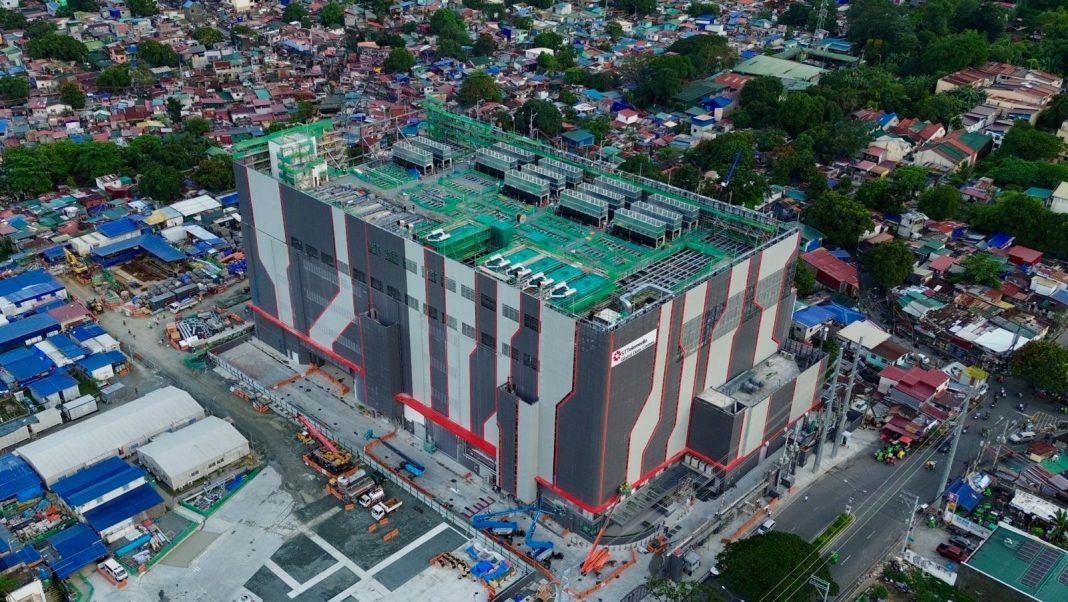
Demand is also shaping how STT GDC Philippines builds its facilities. STT Fairview 1 is purpose-built to support next-generation AI workloads and is optimized for high-density computing environments that require significantly greater processing power than traditional facilities. Its robust power and cooling solutions power liquid-cooled deployments for artificial intelligence and high performance computing applications allowing customers to run increasingly sophisticated AI workloads as demand continues to grow.
AI runs on algorithms, but it relies on reliable electricity. The more computation that is required, the more important reliable and scalable energy becomes. To support rising workloads, STT GDC Philippines has locked in a long-term renewable energy supply for its Fairview facility, providing customers confidence to develop while supporting the company’s sustainability goals.
Growing demand is already visible across STT GDC Philippines’ campuses. At STT Fairview 1, the first level of data halls has been fully taken up, with the second level now being commissioned and additional levels already in development. In Cavite, Phase 1 is now serving customers while work on Phase 2 is underway. Together, the projects will raise STT GDC Philippines’ operational capacity to over 30 megawatts by the end of the year.
Globe said initiatives like this are all about preparing the country for what’s coming. As the digital and cloud technologies that support organizations become more central, the infrastructure that supports them becomes just as critical as the applications themselves. Laying that groundwork today helps foster a climate where businesses can innovate with confidence, attract new investments and contribute to a stronger digital economy.

