


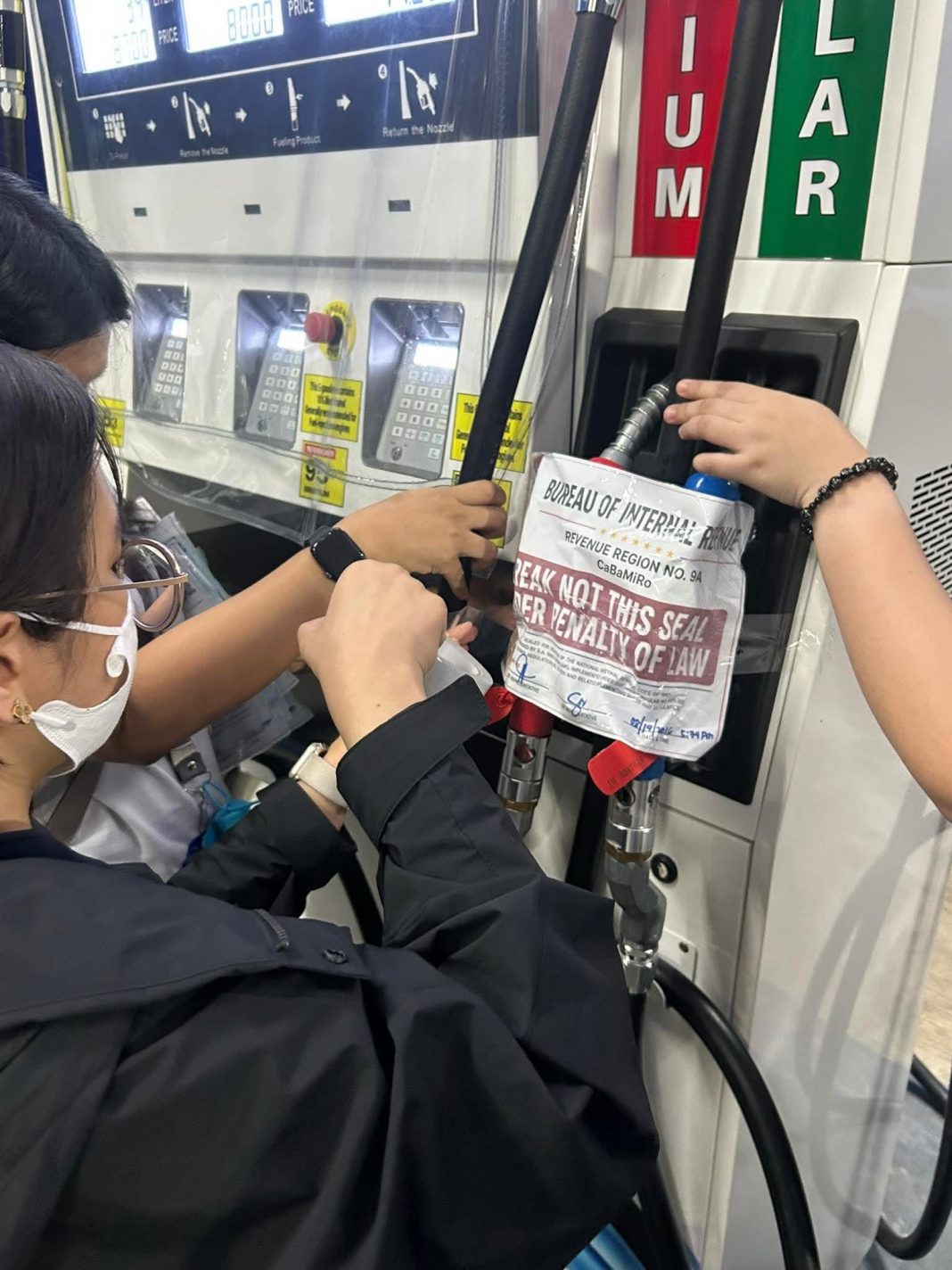
The Bureau of Internal Revenue (BIR) has flagged 25 out of 65 gasoline stations tested during the initial three days of its large-scale Fuel Marking enforcement operations across Luzon.
The affected fuel supplies have been inventoried, and the corresponding dispensing pumps have been sealed or padlocked pending confirmatory testing and subsequent legal action under existing regulatory frameworks.
The ongoing operations—which commenced on August 17, 2026—are spearheaded directly by BIR Regional Directors leading their respective enforcement teams. The nationwide initiative is conducted in close coordination with the Bureau of Customs (BOC), utilizing an authorized Fuel Marking Service Provider to execute technical sampling and testing.
Emphasizing the strategic importance of the drive, BIR Commissioner Charlito Martin R. Mendoza stated: “We are making fuller use of Fuel Marking and our other enforcement tools to identify revenue leakages, act on them quickly, and protect compliant businesses from unfair competition in the petroleum sector.”
Fuel Marking serves as a critical defense mechanism for detecting potential tax non-compliance concerning gasoline, diesel, and kerosene. When petroleum products yield failing field-test results, they immediately trigger mandatory inventory, physical sealing, and confirmatory testing protocols.
-
Assessment & Penalties: Where non-compliance is officially confirmed, the BIR computes applicable taxes, penalties, and associated dues to initiate formal enforcement, assessment, and collection actions.
-
Corrective Measures: Taxpayers may settle their liabilities and comply with prescribed requirements to request corrective marking of the affected products by the authorized service provider, leading to the eventual lifting of seals.
-
Comprehensive Oversight: Fuel Marking operations are reinforced by parallel compliance activities, including inventory stock-taking, registration and invoicing verification, and Tax Compliance Verification Drive (TCVD) programs.
The BIR confirmed that current deployments covering Luzon are just the beginning. The multi-week enforcement drive will scale up to cover other regions nationwide as part of a sustained campaign to secure government revenues.
“This is not a one-time operation,” Commissioner Mendoza added. “We will continue using Fuel Marking and our other enforcement tools wherever the risk of tax leakage is high, and we will expand these operations to other parts of the country.”

