


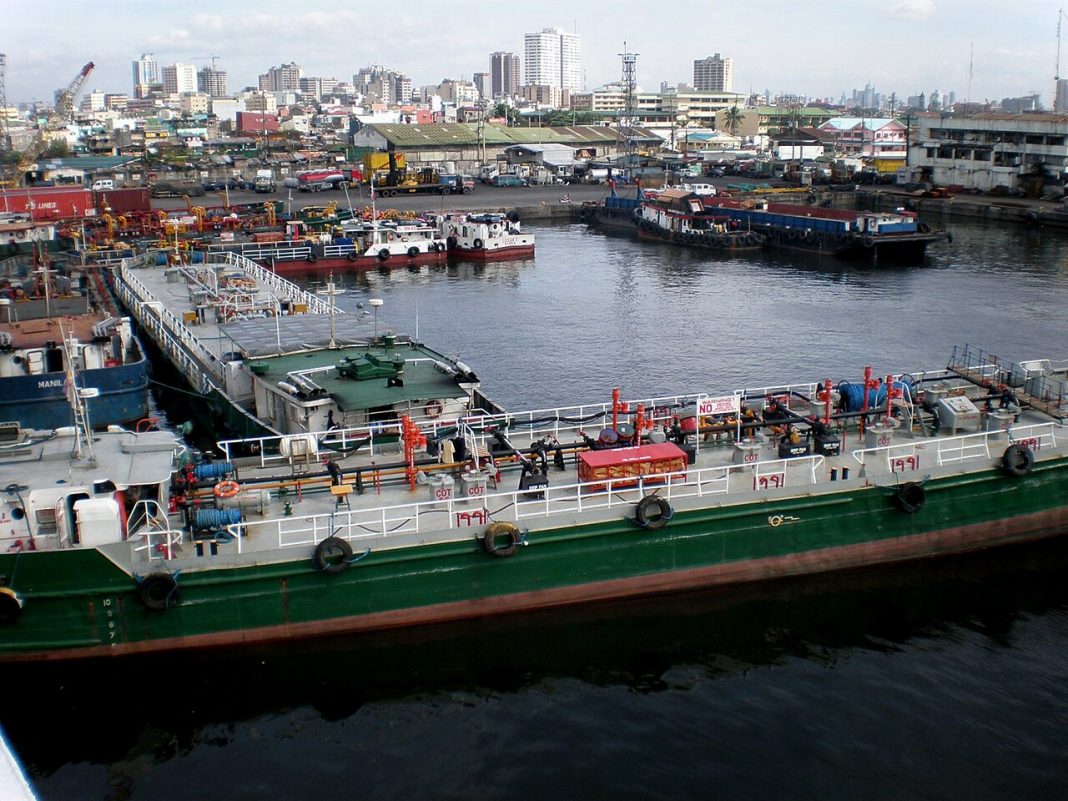
Container ships calling at the Port of Manila are waiting more than three days to berth, making it one of only two ports in Asia Pacific with the region’s longest vessel waiting times, alongside Shanghai. This is even as most other major Southeast Asian and North Asian gateways clear vessels in under a day, according to integrated transport and logistics provider Maersk.
In its Asia Pacific Monthly Market Update for August 2026 (https://www.maersk.com/news/articles/2026/08/14/maersk-asia-pacific-market-update-august), Maersk’s Vessel Waiting Time Indicator places Manila and Shanghai in the “more than 3 days” bracket, the only Asia Pacific ports in that tier. By contrast, 17 other regional ports, including Singapore, Hong Kong, Tanjung Pelepas, Laem Chabang, Vung Tau, Haiphong and Jakarta, are rated at “less than 1 day,” while Qingdao, Ningbo, Yantian, Shekou, Ho Chi Minh City, Port Klang and Chittagong fall into the intermediate “1-3 days” band.
The gap highlights a persistent bottleneck at the Philippines’ main gateway, even as most of its Southeast Asian counterparts maintain fast berthing times. Independent port congestion trackers indicate that Manila’s average vessel waiting time fluctuated significantly throughout 2026, ranging from about 1.3 days in early March to a reported average of 4.9 days in late May and 4.09 days in April. These figures are based on port operational updates and congestion monitors from Kuehne+Nagel, Tradlinx, and Portcast.
Beyond terminal delays, the Philippines faces broader inland logistics strain. The report explicitly identifies “ongoing port and depot congestion in markets including Indonesia and the Philippines” as creating sustained challenges for cargo movement. According to Maersk, these conditions directly affect equipment availability, extend truck turnaround times, and disrupt shipment planning windows. The logistics giant emphasized pro-active planning, supply chain visibility, and flexible inland solutions in its inland market section.
Maersk’s update also flagged seasonal weather as a compounding risk. “Seasonal weather conditions remain a factor influencing ocean operations in Asia Pacific, particularly during periods of increased typhoon activity,” the report said, noting that weather-related events “may contribute to temporary port restrictions, schedule adjustments, and potential delays on affected routes” — a risk that arrives just as Asia-Pacific markets, including the Philippines, move into the peak booking season ahead of year-end retail imports.
The disparity in waiting times raises concerns about Manila’s competitiveness compared with neighboring ports. Facilities such as Singapore and Port Klang have significantly faster throughput, which may encourage shippers to reroute their cargo through these alternative hubs before distributing it inland to the Philippines.
According to Maersk’s data, cross-border transport corridors in the Mekong region are emerging as alternatives, featuring integrated road and rail solutions that connect Southeast Asia with China. However, no similar bypass infrastructure appears to exist for domestic freight within the Philippines.

