


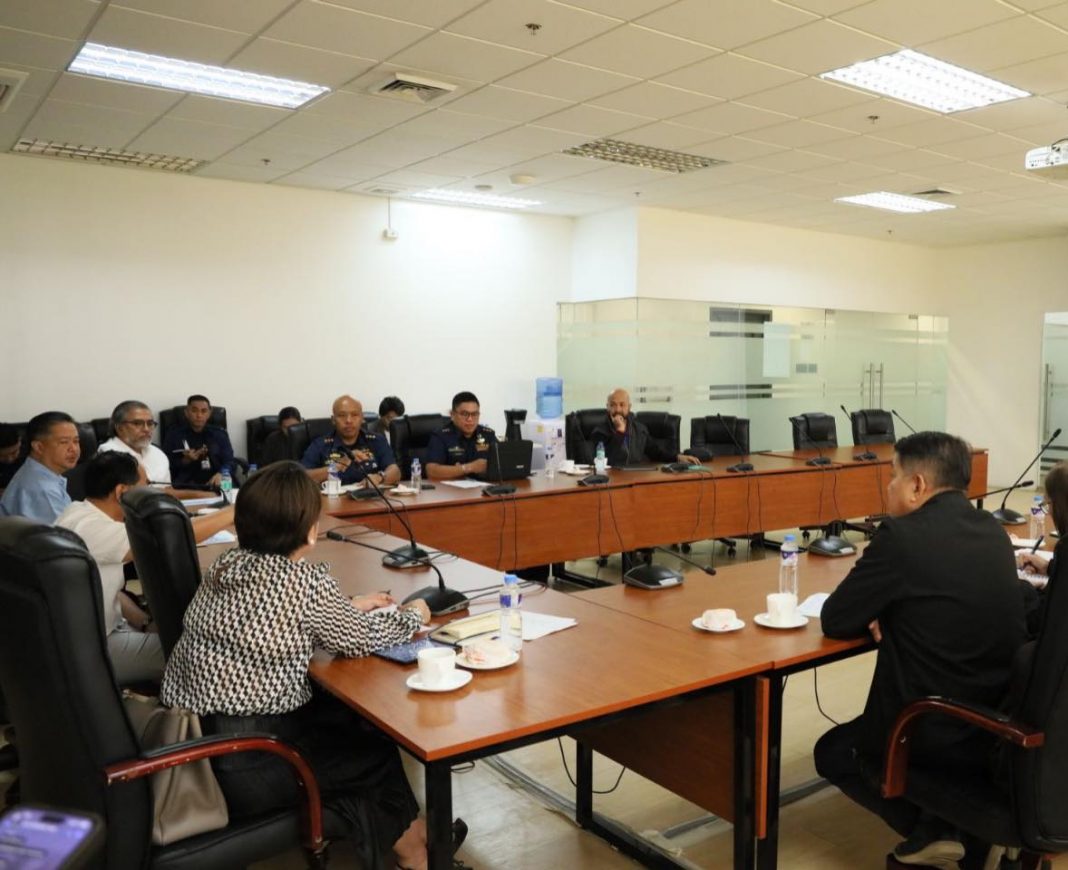
Addressing the urgent economic pressures facing the shipping industry, Department of Transportation (DOTr) Acting Secretary Giovanni Z. Lopez convened a high-level emergency meeting today with the heads of the country’s primary maritime agencies.
The summit focused on mitigating the impact of surging global petroleum prices on domestic maritime operations and safeguarding the Filipino commuting public.
The strategic session included leadership from the Philippine Ports Authority (PPA), the Maritime Industry Authority (MARINA), and the Philippine Coast Guard (PCG).
As fuel expenses represent a significant portion of vessel operating costs, the meeting served as a platform for agencies to present data-driven recommendations aimed at balancing operational viability with consumer affordability.
-
Operational Efficiency: MARINA proposed a review of existing fuel subsidy programs and the acceleration of digitalization in vessel licensing to reduce administrative overhead for shipping companies.
-
Port Cost Management: The PPA discussed potential adjustments in port productivity measures to minimize turnaround times, effectively reducing the fuel consumed by idling vessels.
-
Security and Enforcement: The PCG reaffirmed its commitment to ensuring maritime safety and streamlining sea lane protocols to prevent costly delays in cargo and passenger transit. “Our priority is clear: we must protect the maritime industry from the volatility of fuel prices while ensuring that the cost of travel and the movement of essential goods remain within reach for every Filipino,” said Acting Secretary Giovanni Z. Lopez. “We are working toward concrete, immediate solutions that maintain the integrity of our supply chains without placing the burden on the shoulders of the passengers.”
The DOTr and its attached agencies are currently finalizing a comprehensive “Maritime Resilience Framework.” This policy set will outline potential fuel discounts for essential sea routes, temporary fee waivers, and long-term shifts toward more fuel-efficient maritime technologies.
By fostering this collaborative environment, the DOTr aims to ensure that the country’s maritime highway remains a reliable backbone for the national economy, even amidst global energy market fluctuations.

