


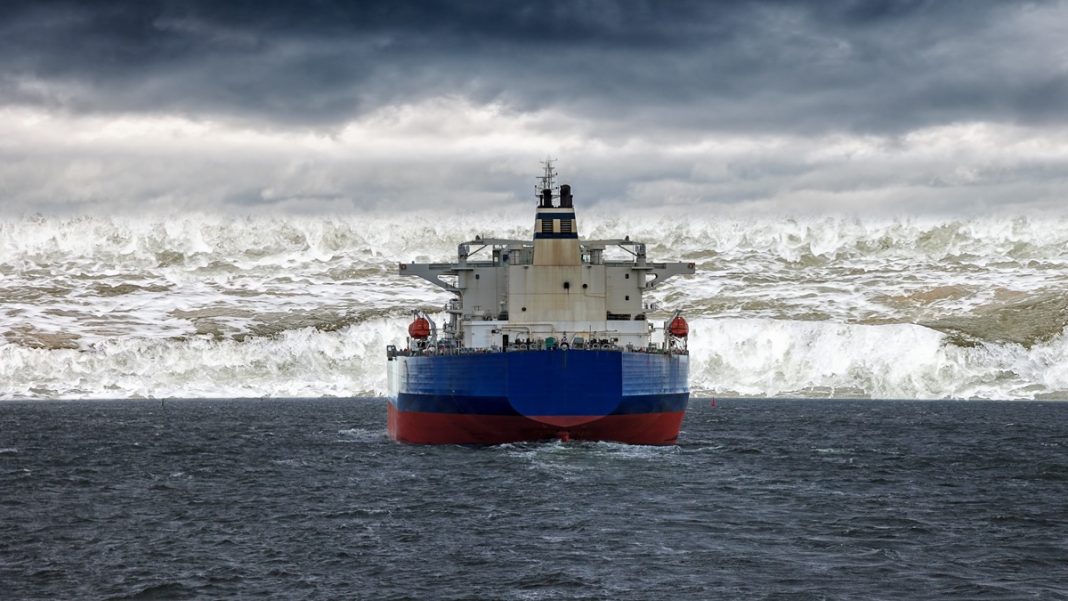
A disruption that began as a maritime bottleneck in one of the world’s most strategically vital shipping corridors is rapidly evolving into a broader global development concern, according to new analysis from UN Trade and Development (UNCTAD).
Since early March, severe constraints on shipping through the Strait of Hormuz — a passage responsible for roughly a quarter of global seaborne oil trade, along with significant volumes of liquefied natural gas and fertilizers — have triggered cascading effects well beyond energy markets. These flows are critical to transportation, agriculture and price stability worldwide.
The situation deteriorated swiftly. Vessel transits through the Strait dropped by approximately 95%, while oil and gas prices surged alongside tanker freight rates, marine fuel costs and war-risk insurance premiums.
By 1 April, UNCTAD reported that the disruption was transmitting shocks across trade, financial markets and national economies. Developing countries are bearing the brunt, facing currency depreciation, declining stock markets and rising external borrowing costs.
The impact is now extending from energy into food systems. Disruptions in fuel and fertilizer supply chains are increasing risks to agricultural production, food availability and price stability — particularly in economies already strained by high import dependence, debt burdens and limited fiscal capacity.
To support policymakers and analysts, UNCTAD is launching a new Strait of Hormuz dashboard. This platform consolidates real-time indicators across shipping, energy, food and finance, enabling users to track how the crisis evolves and benchmark it against previous global shocks, including the COVID-19 pandemic and supply chain disruptions linked to the war in Ukraine.
The dashboard highlights how interconnected pressures can amplify risks. Rising energy costs can drive up fertilizer and food prices. Increased transport costs inflate import bills. At the same time, tighter global financial conditions reduce countries’ ability to respond effectively.
These developments come at a fragile moment for the global economy. UNCTAD’s latest Global Trade Update indicates that while trade entered 2026 with momentum, growing geopolitical tensions, persistent inflationary pressures and higher trade costs are undermining investment, demand and development prospects — particularly in vulnerable economies.
UNCTAD emphasizes the need for coordinated international responses to stabilize markets, safeguard food and energy supplies, and support developing countries facing compounding economic pressures.

